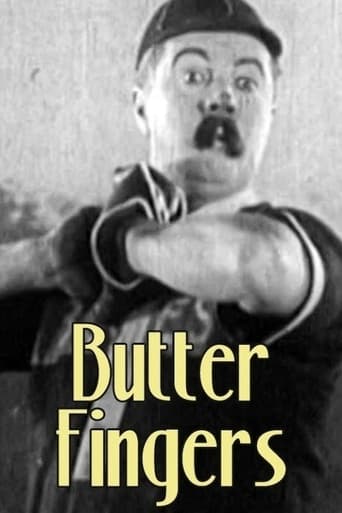
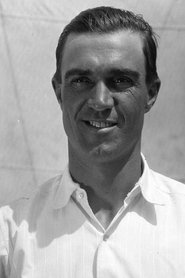
Del Lord
Director
Born: October 7, 1894 in Grimsby, Ontario, Canada Died: March 23, 1970 Active: 1924-1958 Birth Name: Delmar Lord
Films
8 films
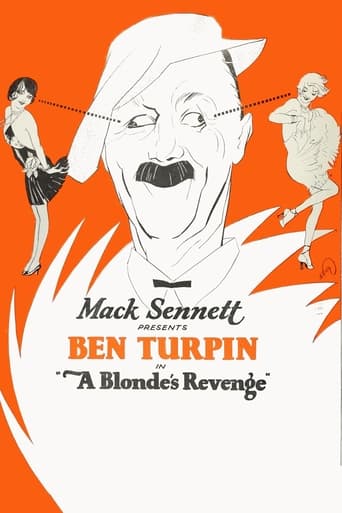
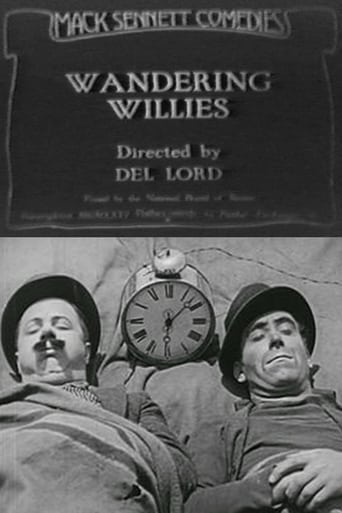
About Del Lord
Canadian-American director who became prolific comedy directors of Hollywood's Golden Age, particularly renowned for his work with The Three Stooges. Born in 1894, Lord began his film career as an actor and stuntman in silent comedies during the early 1920s, appearing in numerous Mack Sennett productions before transitioning to directing. His directorial career flourished at Columbia Pictures, where he directed over 50 Three Stooges shorts, including classics like 'Disorder in the Court' (1936) and 'A Plumbing We Will Go' (1940), establishing himself as the master of slapstick comedy timing. Lord's expertise extended beyond the Stooges, as he also directed entries in other comedy series including The Bowery Boys, Abbott and Costello, and Buster Keaton's later shorts. His directing style emphasized rapid pacing, elaborate physical gags, and precise comedic timing, making him instrumental in shaping the American comedy short format. After leaving Columbia in the early 1950s, Lord continued directing for television, working on popular series like 'The Abbott and Costello Show' and 'The Adventures of Ozzie and Harriet'. His legacy as one of comedy's most reliable and innovative directors remains influential to this day, with his techniques still studied by comedy filmmakers.
The Craft
Behind the Camera
Del Lord was known for his lightning-fast pacing, precise comedic timing, and elaborate physical gags. His directing approach emphasized visual comedy over dialogue, utilizing complex choreography and stunt work to create maximum comedic effect. Lord had an exceptional ability to set up and execute multi-layered sight gags, often involving intricate props and physical comedy sequences. His style combined the chaotic energy of early Mack Sennett comedies with a more structured narrative approach, making his shorts both wildly funny and technically proficient. Lord was particularly skilled at directing comedy teams, understanding how to showcase each performer's strengths while maintaining ensemble chemistry.
Milestones
- Directed over 50 Three Stooges comedy shorts at Columbia Pictures
- Pioneered the fast-paced slapstick comedy style that defined the comedy short format
- Worked extensively with Mack Sennett in the silent era
- Directed classic Three Stooges shorts including 'Disorder in the Court' and 'A Plumbing We Will Go'
- Transitioned successfully to television directing in the 1950s
- Mentored numerous comedy directors who followed in his footsteps
Best Known For
Must-See Films
Accolades
Special Recognition
- Hollywood Walk of Fame star for contributions to motion pictures
Working Relationships
Worked Often With
Studios
Why They Matter
Impact on Culture
Del Lord's work fundamentally shaped American comedy cinema, particularly the short subject format that dominated theaters for decades. His directorial style established the template for slapstick comedy that influenced generations of comedians and filmmakers. Through his Three Stooges shorts, Lord created some of the most enduring comedy sequences ever filmed, many of which continue to be referenced and parodied in modern media. His ability to blend physical comedy with tight storytelling helped elevate comedy shorts from simple gag reels to sophisticated comedic art forms. Lord's work preserved and evolved the visual comedy traditions established in the silent era for sound audiences, ensuring the continuation of slapstick as a vital American art form.
Lasting Legacy
Del Lord's legacy endures through the countless comedy shorts he directed that continue to entertain audiences worldwide. His techniques and approaches to visual comedy influenced subsequent generations of directors, from the comedy teams of the 1950s to modern filmmakers like the Farrelly brothers. The Three Stooges shorts he directed remain among the most beloved examples of American comedy, frequently aired on television and streaming platforms. Lord's contribution to establishing Columbia Pictures as a comedy powerhouse cannot be overstated, as his work helped build the studio's reputation for quality comedy programming. His directorial innovations in pacing, gag structure, and physical comedy choreography continue to be studied in film schools and analyzed by comedy scholars.
Who They Inspired
Del Lord's directing style influenced countless comedy directors who followed, particularly those working in television sitcoms and comedy films. His emphasis on visual storytelling and precise timing became standard practice in comedy production. Directors like Jules White, Edward Bernds, and many others learned from or built upon Lord's techniques. The Three Stooges themselves benefited from Lord's direction, with his ability to showcase their individual talents while maintaining their collective chemistry. Modern comedy directors often cite Lord's work as inspiration for their approach to physical comedy and ensemble direction. His influence can be seen in everything from television sitcoms to feature film comedies that rely on visual humor and tightly choreographed physical sequences.
Off Screen
Del Lord served in the Canadian Army during World War I before embarking on his film career. He married twice, first to actress and screenwriter Doris Hill, with whom he had a son, and later to Ruth Lord. Lord was known in Hollywood as a reliable, hardworking director who could deliver quality comedy shorts on tight schedules and budgets. Despite his prolific output and significant contributions to American comedy, he maintained a relatively low public profile, preferring to let his work speak for itself. In his later years, he suffered from declining health but continued working in television until his retirement.
Education
Limited formal education, learned filmmaking through practical experience in the early film industry
Family
- Doris Hill (1924-1932)
- Ruth Lord (1933-1970)
Did You Know?
- Directed more Three Stooges shorts than any other director (over 50 films)
- Began his film career as a stuntman and actor, appearing in silent comedies
- Served in the Canadian Army during World War I before entering films
- Was one of the few directors who could successfully work with all Three Stooges lineups (Curly, Shemp, and Joe Besser)
- Often worked with minimal budgets and tight schedules, yet consistently produced high-quality comedy
- His films were shot in an average of 3-5 days, a remarkably fast pace even for short subjects
- Many of his Three Stooges shorts have fallen into the public domain, contributing to their widespread distribution
- Was known for his ability to create elaborate gags using simple props and everyday situations
- Helped establish Columbia Pictures as a major producer of comedy shorts during the 1930s and 1940s
- Continued directing well into the television era, adapting his comedy techniques for the new medium
In Their Own Words
Comedy is timing. If you don't have the timing, you don't have the comedy.
I could make a comedy short with three walls and a door if I had to. It's all about the gags and the performers.
The Stooges were like my children. I knew exactly how to make them work and how to get the best laughs from them.
Frequently Asked Questions
Who was Del Lord?
Prolific Canadian-American on YTB.my. He excelled in slapstick comedy who helped define the comedy short format during Hollywood's Golden Age, also directing other comedy series like The Bowery Boys and working extensively in television during his later career.
What films is Del Lord best known for?
Titles linked here include Disorder in the Court (1936), A Plumbing We Will Go (1940).
When was Del Lord born and when did he die?
Born October 7, 1894; died March 23, 1970.
What awards did Del Lord win?
While Del Lord did not receive major industry awards during his lifetime, he was honored with a star on the Hollywood Walk of Fame for his significant contributions to motion pictures. His legacy is recognized through the enduring popularity of the comedy films he directed.
What was Del Lord's directing style?
Del Lord's directing style emphasized rapid pacing, precise comedic timing, and elaborate physical gags. He was known for his ability to create complex visual comedy sequences using simple props and everyday situations, with a particular talent for directing comedy ensembles and showcasing each performer's strengths while maintaining group chemistry.