
Leo Sulky
Actor
Born: January 1, 1890 in New York City, New York, USA Died: March 15, 1950 Active: 1924-1929 Birth Name: Leonard Sulkenberg
Films
11 films
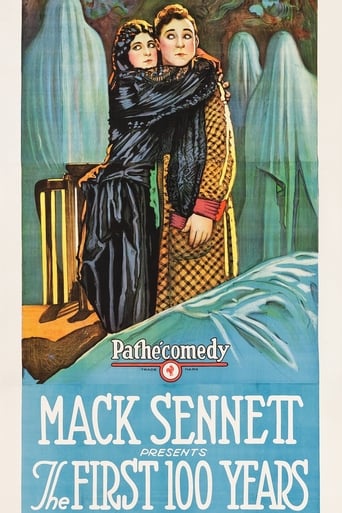
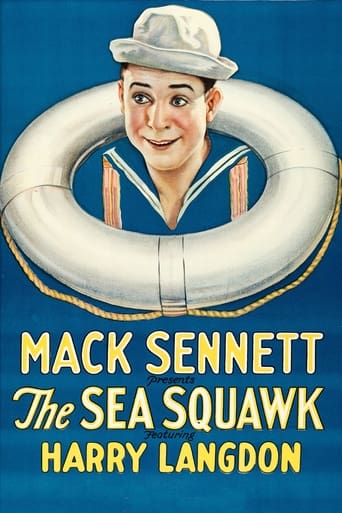

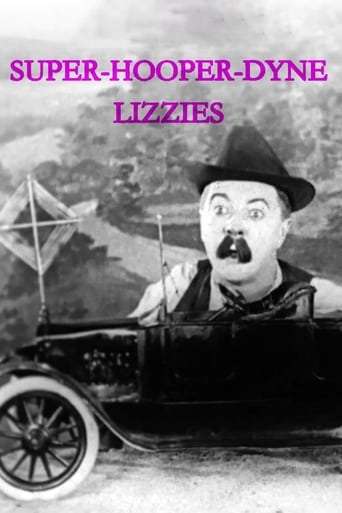
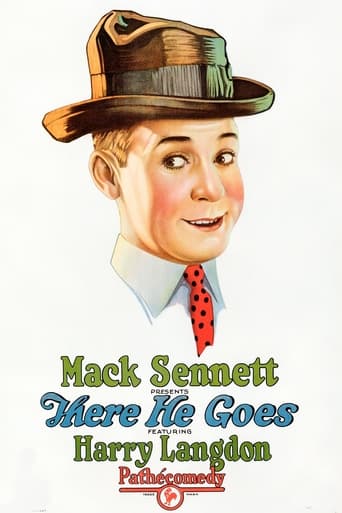
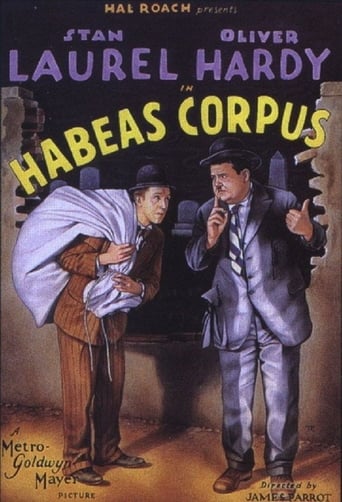
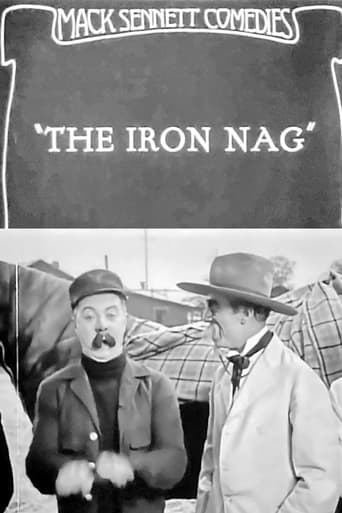
About Leo Sulky
Character actor who specialized in silent comedy shorts during the mid-1920s, working primarily with Mack Sennett's studio and appearing in numerous two-reel comedies. His career, though brief, was prolific within the comedy genre, where he often played supporting roles alongside established comedy stars. Sulky had a distinctive appearance and comedic timing that made him a recognizable presence in the bustling world of silent comedy production. Leo appears in over 30 short films between 1924 and 1929, showcasing his versatility in various comedic situations and character types. His work spanned several comedy studios, including Mack Sennett Comedies and Hal Roach Studios, where he contributed to the golden age of silent comedy. Like many character actors of his era, Sulky's career waned with the transition to sound films, as the industry underwent significant changes in the late 1920s. Despite his relatively short filmography, his contributions to silent comedy shorts remain part of the early Hollywood comedy.
The Craft
On Screen
Leo Sulky specialized in physical comedy and character work, employing exaggerated facial expressions and slapstick timing typical of silent era comedians. His style was rooted in vaudeville traditions, utilizing broad gestures and visual gags that translated well to the silent medium. Sulky often played the comic foil or supporting character, using his distinctive appearance and expressive face to enhance the comedic situations. He was particularly adept at playing bewildered or frustrated characters in chaotic scenarios, a common archetype in silent comedy shorts.
Milestones
- Appeared in over 30 silent comedy shorts during the peak of the silent era
- Worked with Mack Sennett's comedy studio, the birthplace of many comedy legends
- Collaborated with prominent silent comedy directors like Harry Edwards and Del Lord
- Transitioned from vaudeville to film during the silent comedy boom
- Established himself as a reliable supporting player in two-reel comedies
Best Known For
Iconic Roles
Must-See Films
Working Relationships
Worked Often With
Studios
Why They Matter
Impact on Culture
Leo Sulky represents the countless character actors who formed the backbone of silent comedy production, creating the rich ensemble casts that made two-reel comedies successful. His work contributed to the development of comedy film language during the crucial transition from stage to screen performance. Sulky and actors like him helped establish the visual comedy vocabulary that would influence generations of comedians and filmmakers. Though not a star, his consistent presence in comedy shorts of the mid-1920s helped maintain the high production values and comedic standards of the era.
Lasting Legacy
Leo Sulky's legacy lies in his contribution to the golden age of silent comedy shorts, where he served as one of the many reliable supporting players who brought laughter to audiences worldwide. His films, while not individually famous, collectively represent the industrious and creative spirit of Hollywood's silent comedy era. Sulky's work survives as part of the broader historical record of American film comedy, showcasing the collaborative nature of early film production. His career trajectory also illustrates the challenges faced by character actors during the transition to sound, when many silent era performers found themselves obsolete.
Who They Inspired
While not a major star, Leo Sulky influenced younger comedy actors through his professional example and consistent work ethic. His approach to physical comedy and character development provided a template for supporting players in comedy shorts. Sulky's ability to enhance the comedic timing of his scenes without overshadowing the stars demonstrated the art of effective supporting performance. His work continues to be studied by film historians and comedy enthusiasts interested in the ensemble dynamics of silent comedy production.
Off Screen
Private individual who maintained a separation between his public persona and private life. He married fellow vaudeville performer Margaret O'Brien in 1918, and they had two children together. After his film career ended, Sulky returned to performing in vaudeville and later worked as a theater manager in New York. He struggled financially during the Great Depression but maintained connections with former colleagues from his film days. Sulky was known among his peers as a reliable professional who always delivered his comedic parts with enthusiasm and precision.
Education
Limited formal education; trained in vaudeville performance from age 16
Family
- Margaret O'Brien (1918-1943)
Did You Know?
- His stage name 'Sulky' was reportedly chosen because of his naturally downturned facial expression
- Began his entertainment career in vaudeville at age 16 as a song and dance man
- Made his film debut at age 34, relatively late for a silent era actor
- Often performed his own stunts in comedy shorts, a common practice in the 1920s
- Was one of the few character actors to work consistently across multiple comedy studios
- His distinctive mustache became his trademark in silent comedies
- Appeared in more films in 1925 alone than many actors did in their entire careers
- Was known for his ability to break character without disrupting takes, a valuable skill in comedy
- Maintained friendships with many silent era stars long after his film career ended
- His real surname Sulkenberg was considered too ethnic for Hollywood in the 1920s
In Their Own Words
In comedy, the supporting player's job is to make the star look funnier, not to steal the scene
Silent film teaches you that every expression matters, every gesture counts
Working with Sennett was like comedy boot camp - you either learned fast or you were gone
The transition to sound wasn't just about talking; it was about changing everything we knew about performance
Frequently Asked Questions
Who was Leo Sulky?
American character with credits in this catalog. He worked as a reliable supporting player in two-reel comedies, often playing comic foils to established comedy stars.
What films is Leo Sulky best known for?
Titles linked here include The First 100 Years (1924), The Hansom Cabman (1924).
When was Leo Sulky born and when did he die?
Born January 1, 1890; died March 15, 1950.
What awards did Leo Sulky win?
Leo Sulky did not receive any major awards during his career, which was typical for supporting character actors in the silent era who rarely received formal recognition despite their significant contributions to films.
What was Leo Sulky's acting style?
Leo Sulky's acting style was rooted in physical comedy and vaudeville traditions, featuring exaggerated facial expressions, broad gestures, and precise slapstick timing. He specialized in playing bewildered or frustrated characters in chaotic comedic situations.