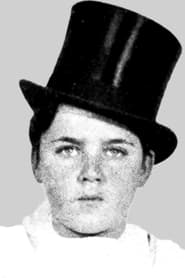
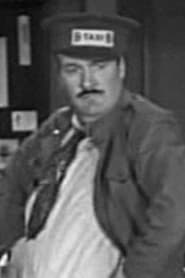
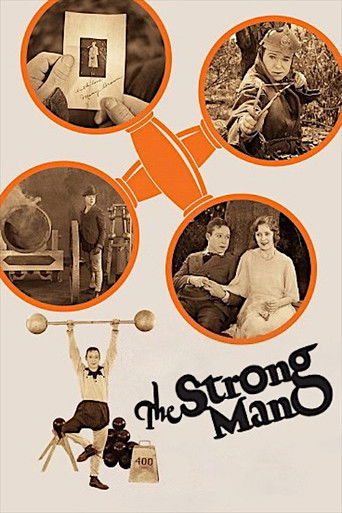
Fiddlesticks
"Musician takes junk collector."
Keys: Space play/pause · ←/→ 10s · F fullscreen · M mute · </> speed
About this film
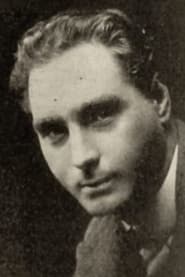
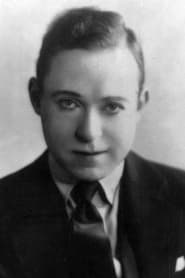
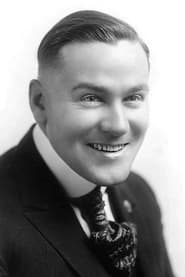
Harry will do anything to be a musician, but it takes a junk collector to discover his hidden talents.
Cast & crew
More films like this

More Comedy films
View all →







More from Harry Edwards
View all →

More about this film
About the production
Release date1927-04-03
ProductionMack Sennett Comedies
Filmed inLos Angeles, California
This was one of the comedy shorts Harry Langdon made after parting ways with his previous collaborators Frank Capra and Arthur Ripley. The film was produced during Langdon's contract period with Mack Sennett, where he made numerous two-reel comedies. The production utilized typical Mack Sennett comedy techniques including slapstick, sight gags, and the contrast between Langdon's childlike innocence and the adult world around him.
Themes
The pursuit of artistic dreamsHidden talent in unexpected placesThe value of unconventional approachesInnocence versus cynicismClass differences and social mobility
Themes & topics
musicianjunk collectortalent discoverycomedysilent filmorchestraperformanceunconventional instrumentsdreamssuccess
Historical background
Viewers around 1927 encountered Fiddlesticks in a market learning how screen stories could carry social themes as well as spectacle.
Why this film matters
Archivists revisit Fiddlesticks (1927) for performance styles and craft choices that later releases refined or replaced.
Making of
The production of 'Fiddlesticks' took place during a challenging period in Harry Langdon's career. After his initial success with First National, Langdon signed with Mack Sennett, where he was paired with director Harry Edwards. Edwards had a reputation for being a fast, efficient director who could crank out comedy shorts quickly, which suited Sennett's production model. The filming likely followed the typical Mack Sennett approach of shooting with minimal preparation and relying on the stars' established personas. Langdon's meticulous preparation and slow, deliberate style sometimes conflicted with Edwards' faster pace, creating tension on set. The junk yard scenes would have been carefully choreographed to maximize comedic effect while ensuring safety for the performers. The film was shot on the Mack Sennett studio lot in Edendale, Los Angeles, utilizing standing sets and props from the studio's extensive collection.
What critics said
Modern retrospectives screen Fiddlesticks for craft context—pacing, performance, and camera choices of 1927.
Did you know?
- This was one of several Harry Langdon shorts directed by Harry Edwards during their collaboration at Mack Sennett Studios
- Harry Langdon was at the peak of his silent comedy fame when this film was released, though his career would soon decline with the advent of sound
- The title 'Fiddlesticks' was a play on both the musical theme and the dismissive expression, reflecting Langdon's character's journey
- Vernon Dent, who appears in the film, would later become famous as a regular foil for The Three Stooges in their comedy shorts
- The film exemplifies Langdon's signature 'baby-man' character, an adult with childlike innocence and naivete
- This was released during the transition period from silent to sound films, making it part of the last wave of pure silent comedies
- The junk collector character was a common trope in silent comedies, representing the discovery of value in discarded items
- Harry Edwards directed over 200 comedy shorts during his career, working with many silent comedy stars
- The film's premise of discovering musical talent in unusual objects anticipates later musical comedy films
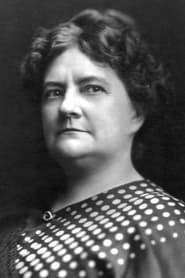
- Anna Dodge, who appears in the supporting cast, was a prolific character actress in silent films who successfully transitioned to sound pictures
Visual style
The cinematography in 'Fiddlesticks' follows the standard practices for comedy shorts of the period, with clear, well-lit compositions designed to maximize visibility of the physical comedy. The camera work would have been relatively static compared to later films, allowing the performances to be the focus. The junk yard scenes likely utilized wider shots to establish the setting and then moved to medium shots for the comedy sequences. The film would have used the typical intertitle style of the period, with text cards providing dialogue and narrative exposition. The visual style emphasizes clarity and readability, essential for silent comedy where visual information must be immediately understandable to the audience. The photography would have been done on the Mack Sennett studio lot, utilizing both interior sets and exterior locations to create variety in the visual presentation.
Innovations
While 'Fiddlesticks' was not particularly innovative from a technical standpoint, it represents the polished craftsmanship of the late silent era comedy short production. The film would have utilized the standard 35mm film format with the typical aspect ratio of the period. The editing would have followed the established continuity editing system, with clear narrative progression and timing optimized for comedic effect. The film demonstrates the efficient production methods developed by Mack Sennett for creating comedy shorts on a tight schedule. The special effects would have been limited to in-camera techniques and practical effects, typical of comedy productions of the era. The film's preservation provides modern viewers with insight into the technical standards and production methods of late silent comedy shorts.
Music
As a silent film, 'Fiddlesticks' would have been accompanied by live musical performance during its original theatrical runs. The typical accompaniment would have included a piano or organ player providing mood music and sound effects. Given the film's musical theme, the accompaniment would likely have included various musical pieces that complemented the on-screen action. The score would have used popular songs of the era as well as classical pieces arranged for theater organ. The music would have been synchronized with the action, with faster tempos during comedic sequences and slower, more sentimental music during emotional moments. Modern screenings of the film often feature newly composed scores or period-appropriate music performed by silent film accompanists. The musical nature of the film's content makes it particularly suitable for creative musical interpretation by contemporary accompanists.
Memorable scenes
- The scene where Harry Langdon's character discovers his musical talent by randomly playing on discarded junk items in the junkyard, creating an impromptu symphony that surprises everyone
- The climactic performance scene where Harry presents his junk-yard orchestra to an initially skeptical audience, winning them over with his unique musical approach
- The sequence of Harry's failed attempts to learn conventional instruments, showcasing Langdon's signature physical comedy and innocent frustration
What audiences thought
Audiences in 1927 responded positively to 'Fiddlesticks,' enjoying Langdon's gentle humor and the film's musical comedy elements. The film performed well in theaters as part of comedy short programs that accompanied feature films. Harry Langdon's popularity at the time ensured that his new releases were eagerly anticipated by his fan base. The film's premise of discovering musical talent in junk would have resonated with audiences during the economically prosperous 1920s, when themes of self-improvement and unexpected success were popular. Modern audiences, primarily silent film enthusiasts and scholars, appreciate the film for its historical value and Langdon's unique performance style. The film continues to be shown at silent film festivals and special screenings, where it receives appreciation from dedicated silent cinema fans.
Film connections
Influenced by
- Harry Langdon's established comic persona
- Mack Sennett's comedy production style
- Earlier music-themed comedy shorts
- The tradition of the underdog story in comedy
- Vaudeville performance techniques
This film influenced
- Later musical comedy shorts of the sound era
- Films featuring unlikely musical prodigies
- Comedy films about artistic discovery
- Subsequent Harry Langdon shorts
Film restoration
The preservation status of 'Fiddlesticks' is uncertain, as many silent comedy shorts from this period have been lost or exist only in incomplete copies. The film, like many Mack Sennett productions, may survive in archives or private collections, potentially in 16mm reduction prints used for television distribution in the 1950s and 1960s. Some film archives and libraries may hold copies, though the quality may vary. The film's survival would depend on whether it was included in the preservation efforts of major film archives or if copies were maintained by collectors. The transition to sound led to the disposal of many silent films, making the survival of shorts like this particularly valuable for film history.
Where to watch
- The film may be available through specialized silent film archives
- Some private collectors may hold copies
- Potential availability through film preservation organizations
- Possible inclusion in Harry Langdon film collections released by specialty distributors
- May occasionally screen at silent film festivals or special cinema events