
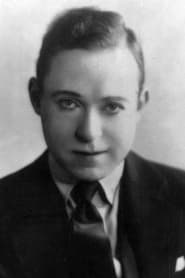
Harry Langdon
Actor & Director
Born: June 15, 1884 in Council Bluffs, Iowa, USA Died: December 22, 1944 Active: 1923-1944 Birth Name: Harry Phillip Langdon
Films
20 films
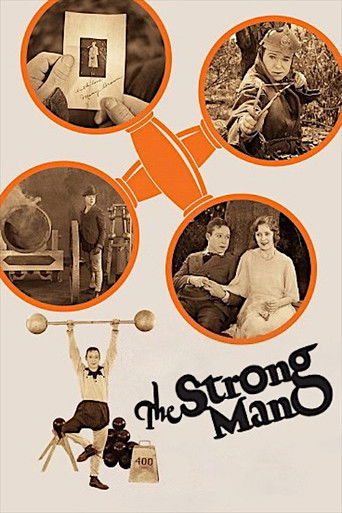
The Strong Man
1926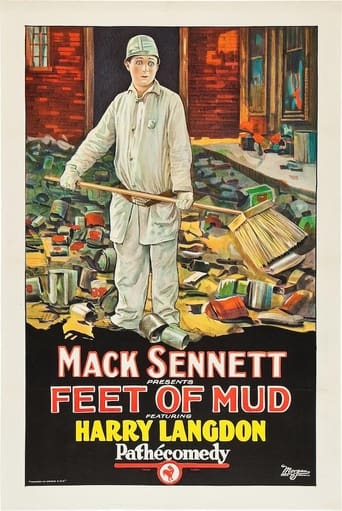
Feet of Mud
1924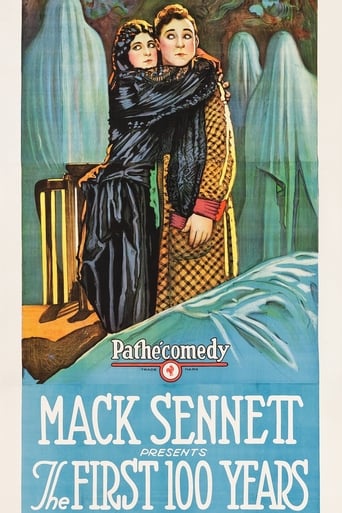
The First 100 Years
1924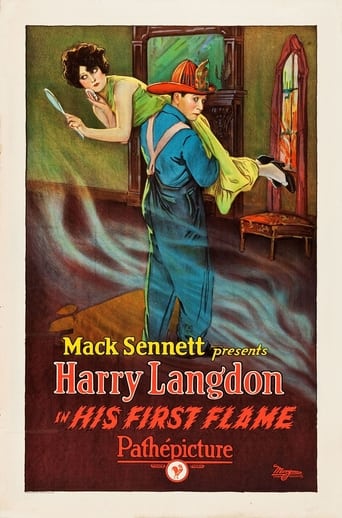
His First Flame
1927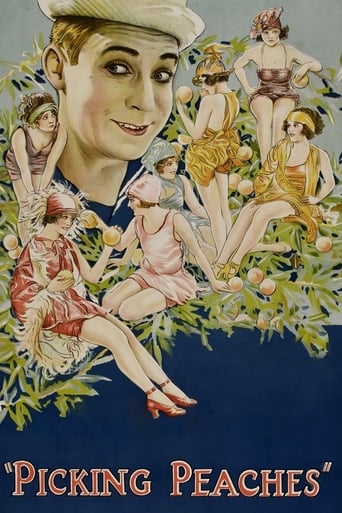
Picking Peaches
1924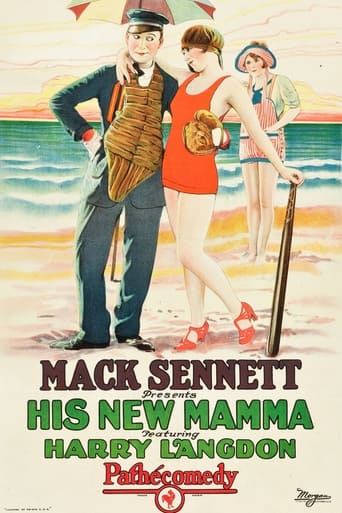
His New Mamma
1924
His Marriage Wow
1925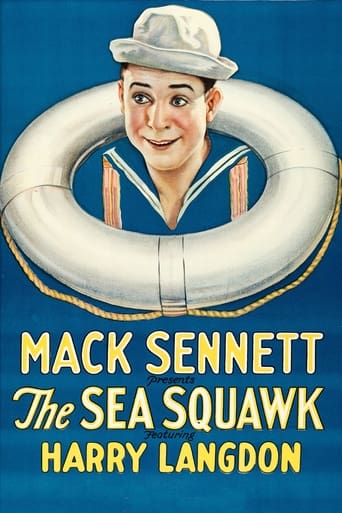
The Sea Squawk
1925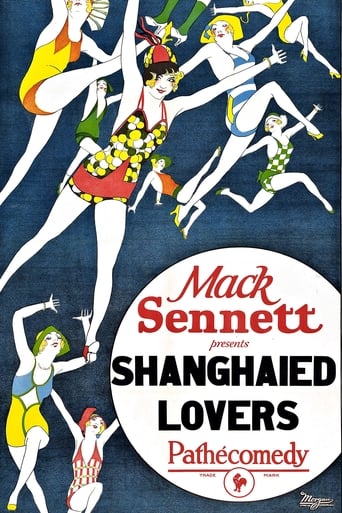
Shanghaied Lovers
1924
The Hansom Cabman
1924
Fiddlesticks
1927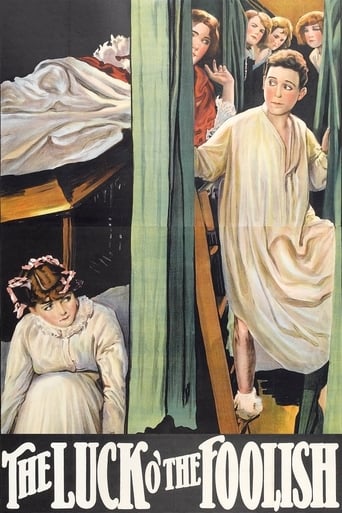
The Luck o' the Foolish
1924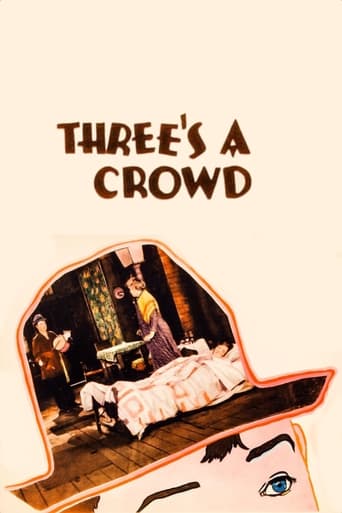
Three's a Crowd
1927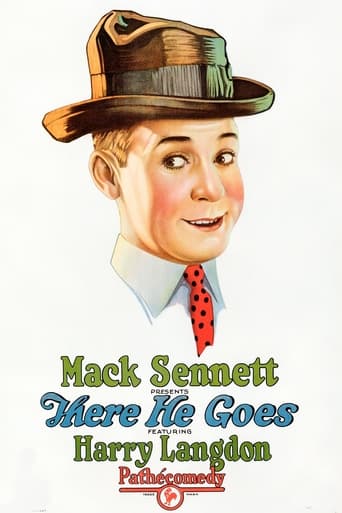
There He Goes
1925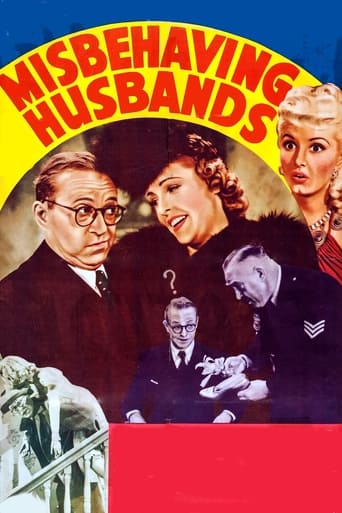
Misbehaving Husbands
1940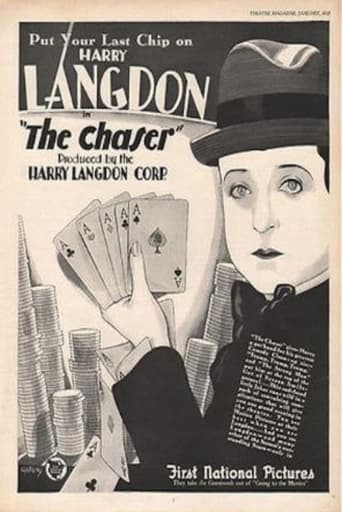
The Chaser
1928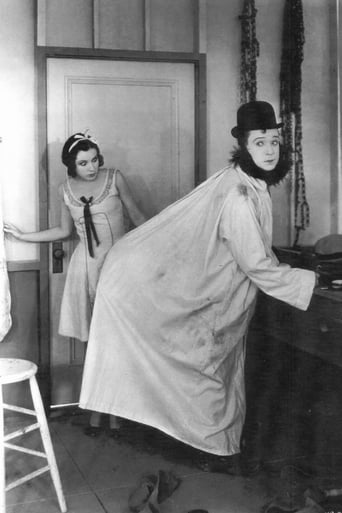
The Big Kick
1930
A Soldier's Plaything
1930
All Night Long
1924About Harry Langdon
Silent film comedian who rose to stardom in the mid-1920s with his unique 'baby-faced' persona and childlike innocence. Born in Council Bluffs, Iowa, Langdon began his career in vaudeville before transitioning to films in 1923 with Mack Sennett's studio. His breakthrough came with 'The Strong Man' (1926), directed by Frank Capra, which established him as one of the era's major comedy stars alongside Chaplin, Keaton, and Lloyd. Langdon's signature character was an eternally naive man-child whose innocence often triumphed over adversity through sheer luck rather than cleverness. After gaining creative control over his films, his career declined rapidly as his self-directed projects failed to match the quality of his earlier work. Despite this setback, Langdon continued working in smaller roles throughout the 1930s and early 1940s, often appearing in supporting parts and comedy shorts. His influence on physical comedy and the innocent man-child archetype continues to be recognized by film historians and comedy scholars today.
The Craft
On Screen
Langdon developed a unique comedic persona characterized by his baby-faced appearance, wide-eyed innocence, and childlike wonder. His comedy relied on slow, deliberate pacing and minimal gestures, contrasting with the frantic energy of many contemporaries. He often played characters who were eternally naive and vulnerable, yet somehow managed to overcome obstacles through sheer luck or unexpected moments of cleverness. His performance style emphasized pathos and emotional connection with the audience, making his characters sympathetic despite their foolishness.
Behind the Camera
Langdon's directing style reflected his performance philosophy, favoring deliberate pacing and character-driven comedy over slapstick gags. His self-directed films often featured more complex narratives and emotional depth than typical comedies of the era, though this sometimes worked against their commercial success. He experimented with darker themes and more sophisticated storytelling, particularly in 'The Chaser' (1928), which showed his artistic ambitions beyond pure comedy.
Milestones
- Signed with Mack Sennett Studios in 1923
- Starred in breakthrough film 'The Strong Man' (1926)
- Directed his own films starting with 'Three's a Crowd' (1927)
- Named one of the top four silent comedians alongside Chaplin, Keaton, and Lloyd
- Made successful transition to supporting roles in sound films
- Appeared in over 150 films throughout his career
Best Known For
Iconic Roles
Must-See Films
Accolades
Special Recognition
- Star on the Hollywood Walk of Fame (6300 Hollywood Boulevard)
- Inducted into the Hall of Fame of the International Comedy Hall of Fame
- Featured in American Film Institute's list of greatest male screen legends
Working Relationships
Worked Often With
Studios
Why They Matter
Impact on Culture
Harry Langdon's impact on silent comedy was significant during his peak years of 1925-1927, when he was considered one of the 'big four' comedians alongside Chaplin, Keaton, and Lloyd. His unique approach to comedy, emphasizing innocence and vulnerability over aggression or cleverness, offered audiences an alternative to the dominant comedic styles of the era. Langdon's baby-faced persona and childlike characters influenced the development of the 'innocent' archetype in comedy, which would later be adopted and adapted by performers ranging from Jerry Lewis to Mr. Bean. His work demonstrated that comedy could be both gentle and emotionally resonant, expanding the possibilities of what silent comedy could achieve beyond pure slapstick.
Lasting Legacy
Harry Langdon's legacy in film history is complex, marked by both remarkable success and dramatic decline. His brief period as a major star on silent comedy, with his best films still studied and appreciated by film historians and comedy enthusiasts. The story of his career serves as a cautionary tale about the dangers of artistic overreach and the importance of collaborative relationships in creative industries. Modern scholars have reevaluated his self-directed films, finding artistic merit that was overlooked by contemporary critics. Langdon's influence can be seen in the work of later comedians who adopted similar personas of innocence and vulnerability, proving that his contributions to comedy extended far beyond his own era.
Who They Inspired
Langdon's influence on comedy extends beyond his immediate contemporaries to later generations of performers. His gentle, childlike approach to comedy influenced Jerry Lewis, who acknowledged Langdon as an inspiration for his own 'idiot' persona. The innocent man-child archetype that Langdon perfected can be traced through various comedy traditions, from Jacques Tati's Monsieur Hulot to Rowan Atkinson's Mr. Bean. His technique of using minimal gestures and facial expressions to maximum effect has been studied by physical comedians and actors interested in non-verbal performance. Even in modern comedy, the contrast between innocence and a chaotic world that Langdon pioneered continues to be a powerful comedic device.
Off Screen
Harry Langdon married twice during his lifetime. His first marriage was to Rose Musgrove, with whom he had two children. After their divorce, he married Mabel Sheldon, who remained his wife until his death. Langdon struggled with financial difficulties in his later years, despite his earlier success, and was known to be a private person who rarely discussed his personal life in public. He maintained close friendships with several fellow comedians, including Harry Edwards and Arthur Ripley, who collaborated with him on various projects.
Education
Limited formal education; primarily self-taught through vaudeville experience
Family
- Rose Musgrove (1913-1925)
- Mabel Sheldon (1934-1944)
Did You Know?
- Langdon was 39 years old when he made his film debut, unusually old for a silent comedy star
- He was discovered by Mack Sennett after appearing in a vaudeville show in Los Angeles
- Stanley Laurel (of Laurel and Hardy) was instrumental in developing Langdon's screen persona
- Langdon was the highest-paid comedian in Hollywood during his peak year of 1926
- His decline from stardom was
- Langdon's character was often called 'The Elmer' by studio executives
- He wrote an autobiography that was never published during his lifetime
- Langdon appeared in over 150 films but only starred in about 20 features
- His films were among the first to use slow-motion techniques for comic effect
- Langdon — skilled musician who could play multiple instruments
In Their Own Words
I don't try to be funny. I just am funny. The audience laughs at me, not with me.
Comedy is tragedy happening to someone else.
The secret of my success is that I never grew up. I'm still a little boy playing games.
In the movies, I'm a child. In real life, I'm a father and husband. It's quite a contrast.
People laugh at me because they see themselves in my innocence.
Frequently Asked Questions
Who was Harry Langdon?
Prominent silent film comedian of the 1920s, known for his baby-faced appearance and childlike innocence. He was considered one of the 'big four' silent comedians alongside Charlie Chaplin, Buster Keaton, and Harold Lloyd during his peak years.
What films is Harry Langdon best known for?
Titles linked here include The Strong Man (1926), Tramp, Tramp, Tramp (1926).
When was Harry Langdon born and when did he die?
Born June 15, 1884; died December 22, 1944.
What was Harry Langdon's acting style?
Langdon's acting style was characterized by slow, deliberate movements, wide-eyed innocence, and a childlike persona. His comedy relied on pathos and emotional connection rather than frantic slapstick, making his characters sympathetic and endearing.
Why did Harry Langdon's career decline?
Langdon's career declined rapidly after he gained creative control over his films and fired director Frank Capra. His self-directed projects lacked the quality of his earlier work, and by the late 1920s, he had lost his status as a major star.
Did Harry Langdon make the transition to sound films?
Yes, Langdon did appear in sound films, though primarily in supporting roles. He appeared in numerous shorts and feature films throughout the 1930s and early 1940s, though he never regained his leading man status from the silent era.
What was Harry Langdon's legacy in comedy?
Langdon's legacy includes the innocent man-child archetype in comedy and demonstrating that gentleness and vulnerability could be powerful comedic tools. His influence can be seen in later comedians like Jerry Lewis and Mr. Bean.