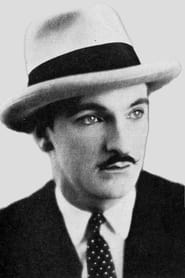
His Marriage Wow
"Wrong church — right bride"
Keys: Space play/pause · ←/→ 10s · F fullscreen · M mute · </> speed
About this film
Harold Hope's wedding day goes awry with wrong church, insurance prank, and Professor McGlumm's meddling before vows finally succeed. Snub Pollard comedy piles nuptial disasters.
Cast & crew
More films like this
More Comedy films
View all →







More from Harry Edwards
View all →

More about this film
About the production
Release dateAugust 23, 1925
ProductionMack Sennett Comedies
Filmed inHighland Park, California (setting), Los Angeles, California (filming)
This was one of Harry Langdon's early comedy shorts produced during his peak period at Mack Sennett Studios. The film was part of Langdon's successful series of two-reel comedies that helped establish his unique 'baby-faced' comedic persona. The production utilized typical Mack Sennett comedy techniques including physical gags, mistaken identity scenarios, and rapid pacing characteristic of silent comedy era productions.
Themes
Marriage anxietyMistaken identityParanoia and suspicionFamily interferenceCommunication breakdown
Themes & topics
weddingmistaken churchlife insurancepoison paranoiafamily moving inhospital rushmisunderstandingcomedy of errorsgroom anxietymeddling guest
Historical background
His Marriage Wow (1925) belongs to Hal Roach's crowded wedding farce subgenre.
Why this film matters
Mistaken-church gags recur from silent comedy through sitcom elopement episodes.
Making of
The production of 'His Marriage Wow' took place during the height of the Mack Sennett studio's output in the mid-1920s. Harry Edwards, who directed the production, was one of Sennett's most reliable comedy directors and had a good working relationship with Harry Langdon. The film was shot quickly, as was typical for comedy shorts of this period, often being completed in just a few days. The physical comedy sequences would have required careful choreography and timing, particularly the scenes involving Langdon's paranoid reactions to supposed poisoning attempts. Vernon Dent's character as the meddling Professor McGlumm was designed to create the central conflict that drives the comedy forward. The film's success relied heavily on Langdon's established screen persona of the innocent, childlike adult facing adult situations with confusion and panic.
What critics said
Matinee crowds enjoyed Harold Lloyd-style chaos; historians file it as minor Roach product.
Did you know?
- the production was released during Harry Langdon's most successful period at Mack Sennett Studios, before he signed with Paramount Pictures in 1926
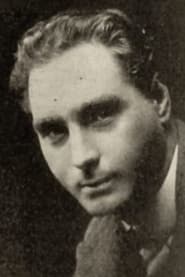
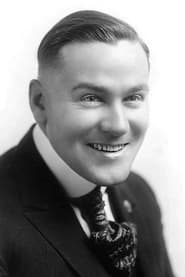
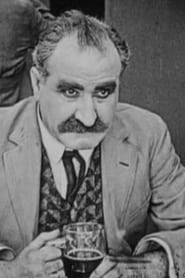
- Vernon Dent, who plays Professor McGlumm, would later become famous as the regular foil to The Three Stooges in their Columbia shorts
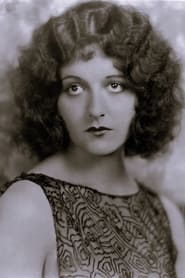
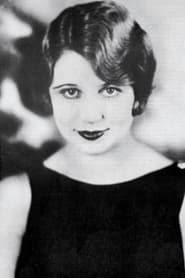
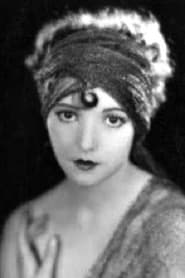
- Natalie Kingston, who plays Agnes Fisher, was a former Mack Sennett Bathing Beauty who would later appear in early Tarzan films
- The film's title 'His Marriage Wow' follows the typical Mack Sennett naming convention of simple, attention-grabbing phrases
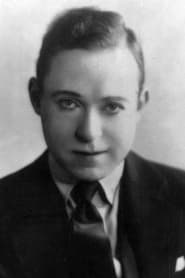
- Harry Langdon's character Harold Hope exhibits the comedian's signature 'childlike man' persona that made him famous
- This was one of several Langdon shorts directed by Harry Edwards, who frequently collaborated with the comedian
- The Highland Park setting was likely chosen as it was a recognizable Los Angeles area that audiences would know
- The film's premise of wedding day mishaps was a popular comedy trope in silent films, allowing for maximum physical comedy opportunities
- Professor McGlumm's character represents the classic 'meddler' archetype common in silent comedy plots
- The film's running time of approximately 20 minutes was standard for two-reel comedy shorts of the era
Visual style
The cinematography in 'His Marriage Wow' follows the standard practices for silent comedy shorts of the mid-1920s. The camera work is functional and clear, designed primarily to showcase the physical comedy and allow audiences to follow the visual gags without confusion. The film likely used static camera positions for most scenes, with occasional tracking shots to follow action sequences. The lighting would have been bright and even, typical of studio productions of the era, ensuring that all the important visual information was clearly visible. The cinematography emphasizes the actors' facial expressions, particularly important for Harry Langdon whose comedic effect relied heavily on his expressive reactions and innocent appearance.
Innovations
While 'His Marriage Wow' does not feature major technical innovations, it demonstrates the polished production techniques that Mack Sennett Studios had perfected by the mid-1920s. The film features effective use of editing for comedic timing, with cuts timed to enhance physical gags and reactions. The production likely utilized multiple camera setups for certain scenes, allowing for better coverage of the physical comedy. The film's pacing represents the refined understanding of comedic rhythm that had developed in silent cinema by this time. The makeup and costume design effectively established character types quickly, an important technical consideration in silent storytelling.
Music
As a silent film, 'His Marriage Wow' would have been accompanied by live musical performance during its original theatrical run. The typical accompaniment would have included a pianist or small orchestra playing appropriate mood music to enhance the comedic action. The score would have featured popular songs of the era along with classical pieces adapted for comedic effect. During chase sequences or moments of panic, the music would have accelerated to match the on-screen action. For romantic moments, softer, more melodic pieces would have been used. No original composed score was created specifically for the production, as was common for short comedies of this period.
Famous quotes
(Silent film - no dialogue, but intertitles would have included text such as: 'Harold, you're at the wrong church!', 'She only wants your life insurance!', 'I'm being poisoned!']
Memorable scenes
- The opening sequence where Harold frantically rushes to the wrong church, creating chaos among the actual wedding party
- The scene where Professor McGlumm convinces Harold that his bride is after his life insurance, with Langdon's expressive reactions of growing paranoia
- The dinner sequence where Harold suspects every dish of being poisoned, leading to increasingly frantic physical comedy as he tries to avoid eating
- The climactic race to the hospital where all the misunderstandings are revealed, featuring the typical Mack Sennett style chase sequence
What audiences thought
Audiences in 1925 responded positively to 'His Marriage Wow' as part of their general enthusiasm for Harry Langdon comedies during his peak popularity years. The film's relatable premise of wedding day anxiety, exaggerated for comedic effect, resonated with contemporary viewers. Langdon's character's vulnerability and innocence made him a beloved figure to audiences of the era. The film's physical gags and situation comedy provided the entertainment value that silent film audiences expected from comedy shorts. While specific box office records for individual shorts are not available, the general success of Langdon's films during this period indicates that 'His Marriage Wow' was well-received by its intended audience.
Film connections
Influenced by
- Classic comedy of errors structure
- Mack Sennett comedy style
- Slapstick comedy traditions
- Domestic comedy genre
- Wedding comedy tropes
This film influenced
- Later Harry Langdon comedies
- Wedding comedy films
- Mistaken identity comedies
- Domestic situation comedies
Film restoration
The film is preserved as part of the Harry Langdon filmography. While not all silent films have survived, 'His Marriage Wow' is known to exist in film archives and has been made available through various classic film distribution channels. The preservation status reflects the relative importance of Harry Langdon's work in film history, which has led to efforts to save and restore his comedies. The film may exist in 16mm or 35mm prints in various film archives, and has likely been digitized for preservation and access purposes.
Where to watch
- Available on various classic film streaming platforms specializing in silent cinema
- Included in Harry Langdon comedy collections on DVD and Blu-ray
- Accessible through film archive screenings and silent film festivals
- Available on some public domain classic film websites
- May be found in educational film collections focusing on silent comedy