
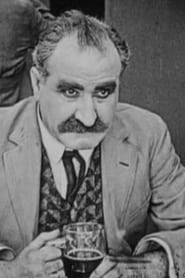
William McCall
Actor
Born: January 14, 1888 in Delaware, Ohio, USA Died: January 10, 1938 Active: 1918-1927
Films
7 films
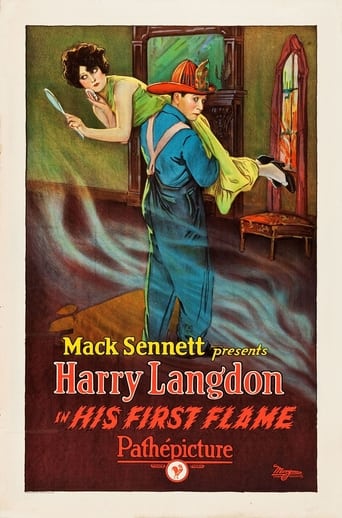
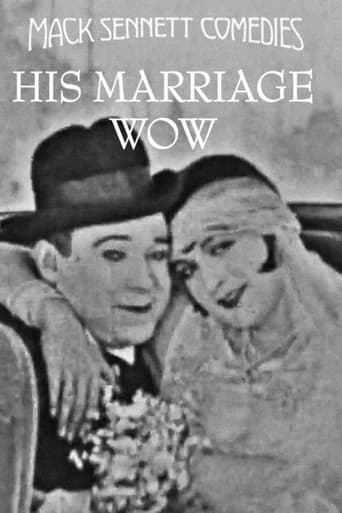
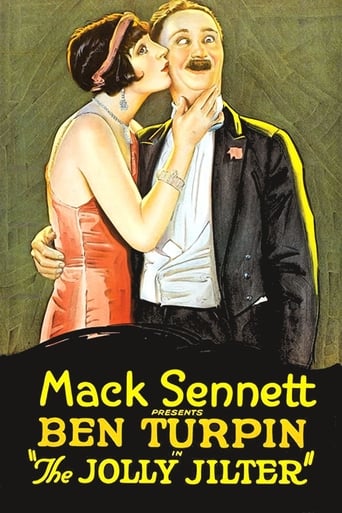

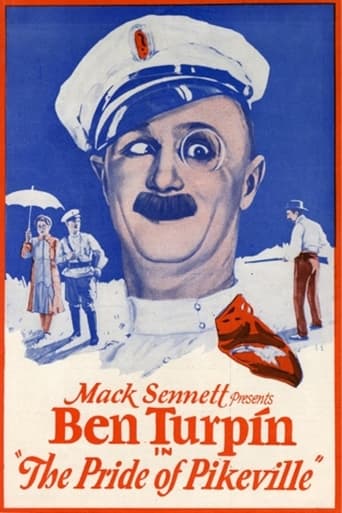
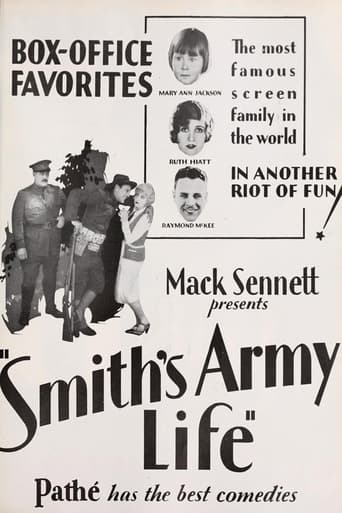
About William McCall
prolific American character actor during the silent film era — known for his versatility in both dramatic and comedic roles. Born in Ohio in 1888, he began his film career in 1918 and quickly established himself as a reliable supporting player in Hollywood's burgeoning studio system. McCall appeared in more than 200 films throughout his decade-long career, working with numerous prominent directors and stars of the era. He was particularly active in Westerns and comedy shorts, often playing authority figures, businessmen, or comic relief characters. His the transition from shorts to feature films, and he worked for various studios including Hal Roach Studios and Universal Pictures. Despite his extensive filmography, McCall remained primarily a supporting actor, never achieving leading man status but becoming a familiar face to silent film audiences. His career came to an end with the advent of sound films, as many character actors of his generation struggled to adapt to the new medium. McCall passed away in 1938 at the age of 49, just as the film industry he had helped build was undergoing its most significant transformation.
The Craft
On Screen
McCall was known for his naturalistic approach to character acting, particularly excelling in portraying authority figures and middle-class professionals with a touch of humor. His style was typical of the reliable character actors of the silent era, using expressive facial features and body language to convey emotion and character traits. He had a particular talent for subtle comedic timing and could switch between serious and comic roles with ease. His performances were marked by a grounded realism that made his characters believable even in the most fantastical situations.
Milestones
- Film debut in 'Bears and Bad Men' (1918)
- Prolific output with over 200 film appearances
- Regular work at Hal Roach Studios
- Transition from shorts to feature films
- Supporting roles in numerous Westerns and comedies
Best Known For
Iconic Roles
Must-See Films
Working Relationships
Worked Often With
Studios
Why They Matter
Impact on Culture
William McCall represents the thousands of dedicated character actors who formed the backbone of Hollywood's silent era production system. While never a star, his consistent work across numerous films helped establish the professional standards of studio filmmaking. His ability to adapt to various genres and roles exemplified the versatility required of supporting players during cinema's formative decades. McCall's career trajectory mirrors that of many silent era actors who found steady employment but struggled with the transition to sound, highlighting the technological and artistic challenges that reshaped the film industry in the late 1920s.
Lasting Legacy
William McCall's legacy lies in his contribution to the silent era cinema, where reliable character actors like him provided the essential foundation upon which stars could shine. His extensive filmography serves as a valuable resource for film historians studying the evolution of American cinema and the studio system. While individual performances may not be widely remembered today, his collective work represents the craftsmanship and dedication of the unsung heroes of early Hollywood. McCall's career also illustrates the precarious nature of fame in the film industry, where even prolific actors could fade into obscurity with changing times and technologies.
Who They Inspired
As a supporting actor rather than a star, William McCall's direct influence on other performers is difficult to trace. However, his professional approach and versatility served as a model for subsequent generations of character actors. His ability to seamlessly move between genres and effectively portray various types of characters demonstrated the skills necessary for longevity in the film industry. The reliability and consistency that marked his career would have set an example for younger actors entering the profession during the studio era.
Off Screen
William McCall led a relatively private life away from the Hollywood spotlight. He was married and had children, though specific details about his family life remain scarce in historical records. Like many character actors of his era, he maintained a steady career without achieving the fame that would have brought extensive media attention to his personal affairs. His death in 1938 at age 49 was noted in trade publications but did not receive widespread coverage, reflecting his status as a respected but not famous supporting player.
Education
Educational background not well documented
Family
- Unknown (marriage details not well documented)
Did You Know?
- Appeared in over 200 films during his decade-long career
- Began his film career at age 30
- Died just four days before his 50th birthday
- Often without on-screen billing in his early film roles
- Worked extensively in both comedy shorts and feature films
- Career ended with the transition to sound films
- Was a regular presence in Hal Roach comedy productions
- Never achieved leading man status but was consistently employed
- His filmography includes many now-lost silent films
- Often played authority figures due to his mature appearance
In Their Own Words
No documented famous quotes - as a supporting character actor, he was rarely interviewed or quoted in contemporary publications
Frequently Asked Questions
Who was William McCall?
Prolific American character with credits in this catalog. He was known for his versatility in supporting roles across various genres, particularly Westerns and comedies.
What films is William McCall best known for?
Titles linked here include Bears and Bad Men (1918), His Marriage Wow (1925).
When was William McCall born and when did he die?
Born January 14, 1888; died January 10, 1938.
What awards did William McCall win?
William McCall did not receive any major awards or nominations during his career, which was typical for character actors of the silent era who often worked without formal recognition.
What was William McCall's acting style?
McCall was known for his naturalistic approach to character acting, excelling in portraying authority figures and middle-class professionals with subtle comedic timing. He used expressive facial features and body language characteristic of silent era performers.
Why did William McCall's career end in 1927?
McCall's career ended around 1927 due to the transition from silent films to talkies. Many character actors of his generation struggled to adapt to sound films, and the industry's technological changes led to the end of many silent era careers.
What studios did William McCall work for?
McCall worked for several major studios of the silent era including Hal Roach Studios, Universal Pictures, Mack Sennett Studios, and Fox Film Corporation, appearing in both comedy shorts and feature films.