Films
3 films
About Art Rowlands
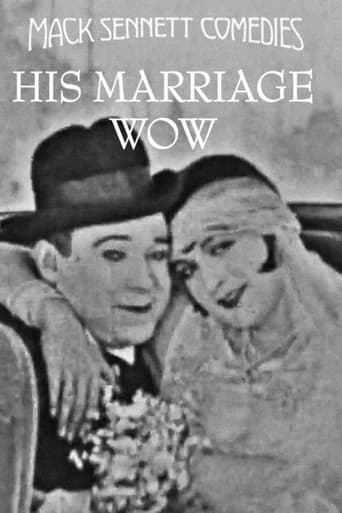
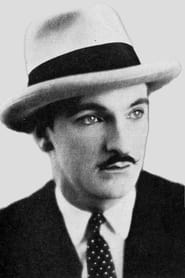
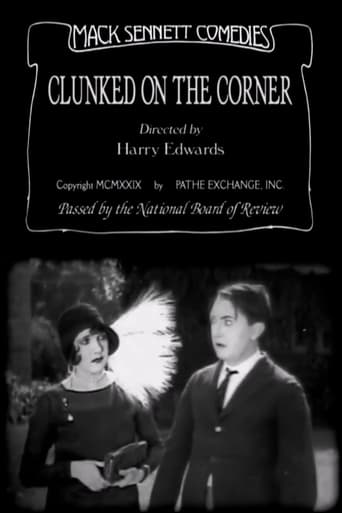
Art Rowlands appears to have been a very lightly documented screen performer active in the late silent era and the earliest years of sound film. The filmography supplied for him places his known activity between 1925 and 1929, with credits in short-form or low-profile productions such as His Marriage Wow (1925), The Bargain Hunt (1928), and Clunked on the Corner (1929). No reliable biographical source currently provides his birth date, birth place, family background, training, or later life, suggesting that he may have worked primarily as a supporting or bit player rather than as a major star. Because his surviving footprint is limited to a small cluster of late-1920s credits, it is difficult to determine whether he continued in film after 1929, moved into stage work, or left the industry altogether. He should therefore be understood as one of many early cinema performers whose names survive in cast lists and archival film records even when personal details have been lost. His career, while not richly documented, still contributes to the broader record of silent and transitional-era screen comedy and popular entertainment. In database terms, he is best treated as a documented early film actor with confirmed credits but minimal surviving personal biography.
The Craft
Milestones
- Appeared in the late silent-era comedy His Marriage Wow (1925)
- Received a screen credit in The Bargain Hunt (1928)
- Was active during the crucial transition period from silent films to early sound cinema
- Has surviving filmography records that place him among documented but obscure character performers of the 1920s
- Represents the kind of supporting screen talent that populated shorts, comedies, and transitional-era productions
Best Known For
Must-See Films
Why They Matter
Impact on Culture
Art Rowlands does not appear to have had a major public reputation comparable to the marquee stars of his era, but his presence in late-1920s film credits is still culturally useful. Performers like Rowlands formed the working backbone of silent-era and early sound productions, filling out ensembles in comedy shorts, programmers, and transitional pictures that shaped audience taste during a rapidly changing period in film history. Even when individual careers are sparsely documented, these actors matter because they reveal how film culture depended on a large labor force of semi-anonymous performers whose work helped define the textures of early screen comedy and popular narrative filmmaking. His credit trail also reflects the fragility of early film history, where many working actors are known only through surviving prints, studio paperwork, or newspaper listings. In that sense, Rowlands is part of the broader cultural record of forgotten players whose names endure as evidence of the industry’s collaborative nature.
Lasting Legacy
Rowlands's legacy lies less in celebrity than in historical presence: he is one of the many early cinema performers whose documented screen work survives even when personal details do not. For film historians, such figures are important because they help reconstruct cast networks, production histories, and the ecology of small-scale film entertainment in the 1920s. His surviving credits place him in the final years of silent comedy and the threshold of sound, a period of enormous industrial change. Although he is not known for a long list of surviving films or major accolades, his name remains part of the archival fabric of classic cinema. That archival survival is itself a legacy, preserving a trace of his contribution to early motion picture production.
Who They Inspired
There is no evidence that Art Rowlands exerted documented influence on major stars, directors, or acting traditions in the way prominent contemporaries did. His influence is best understood indirectly, as part of the broad class of supporting players who contributed to performance styles, ensemble timing, and the commercial viability of everyday film production. By participating in 1920s films, he helped sustain the comedic and narrative conventions that audiences expected from the period's entertainment. His work is more significant to archival and historical study than to popular performance lineage. In that respect, his influence is cumulative rather than individual, embedded in the collective craft of early cinema.
Off Screen
No dependable biographical record has been located that details Art Rowlands's personal life, including his family background, relationships, or activities outside film. There is no confirmed information available regarding marriages, children, residence, education, or post-film career. Because his name appears in film credits but not in the major reference literature typically used for early Hollywood personalities, any attempt to describe his private life would be speculative. At present, his personal history should be considered undocumented in publicly accessible sources.
Did You Know?
- His known screen career falls entirely within the late silent era and the opening years of sound film.
- The surviving record of his work is extremely limited, making him a challenging figure for biographical research.
- His credited films suggest involvement in comedy or light entertainment rather than prestige drama.
- He is an example of how many early film performers survive in history mainly through cast lists rather than full biographical profiles.
- The gap between his film credits and the absence of personal data indicates that he may have been a regional or working character actor.
- His last known credit, Clunked on the Corner (1929), sits right at the industry transition into talkies.
- No verified awards, nominations, or official honors are currently associated with him.
- He is not to be confused with similarly named individuals from other entertainment fields or later eras.
Frequently Asked Questions
Who was Art Rowlands?
Film with credits in this catalog. He appears to have been a supporting or minor performer whose personal biography is not well preserved in surviving public records.
What films is Art Rowlands best known for?
Titles linked here include His Marriage Wow (1925), The Bargain Hunt (1928).
When was Art Rowlands born and when did he die?
At present, no reliable public source has confirmed his birth date, death date, or even his birth place. His identity survives mainly through film credits rather than a full biographical record.
What awards did Art Rowlands win?
No verified awards, nominations, or formal honors are currently associated with Art Rowlands. He appears to have worked as a lesser-documented screen performer rather than as a major award-recognized star.
What was Art Rowlands's acting style?
There is no surviving critical description of his acting style, but his filmography suggests he worked in the idiom of late silent-era popular entertainment, likely relying on straightforward screen presence and ensemble timing. Because the record is so limited, any more specific description would be speculative.
What is Art Rowlands's legacy in film history?
His legacy is archival rather than star-based: he is one of the many early film performers whose names remain attached to surviving credits even when personal details have been lost. For historians, that makes him part of the essential but often invisible workforce of classic cinema.