Clunked on the Corner
"Stumbles beautiful crook played."
Keys: Space play/pause · ←/→ 10s · F fullscreen · M mute · </> speed
About this film
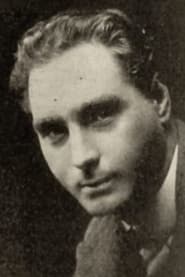
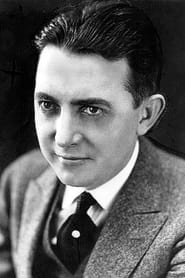
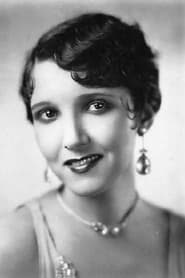
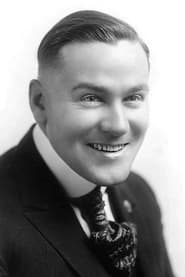
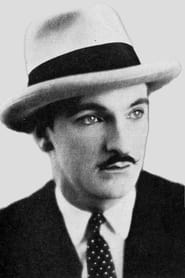
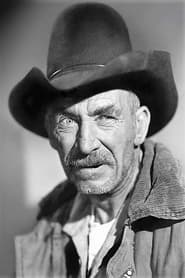
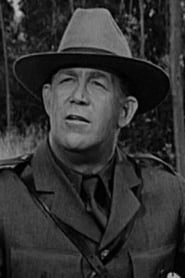
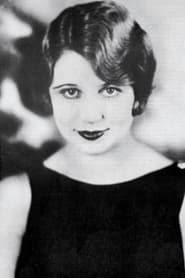
Johnny Burke stumbles into a beautiful crook, played by Carmelita Geraghty, who used him to steal a pearl necklace.
Cast & crew
More films like this
More from Harry Edwards
View all →

More about this film
About the production
Release dateMarch 1929
ProductionMack Sennett Comedies
Filmed inLos Angeles, California
This film was produced during the critical transition period from silent films to talkies in Hollywood. As a 1929 production, it would have been one of the early sound comedy shorts, likely using the new sound-on-disc or sound-on-film technology that was revolutionizing the industry at the time. Director Harry Edwards was known for his efficient work on comedy shorts, often completing them quickly for studio release schedules.
Themes
Crime and punishmentDeception and manipulationInnocence vs. experienceJustice and redemptionRomantic entanglement
Themes & topics
Historical background
Released around 1929, Clunked on the Corner reached audiences while exhibitors were still shaping program length and star promotion.
Why this film matters
Archivists revisit Clunked on the Corner (1929) for performance styles and craft choices that later releases refined or replaced.
Making of
The production of 'Clunked on the Corner' took place during among the leading turbulent periods in Hollywood history - the transition from silent to sound films. Director Harry Edwards, who had honed his craft in the silent era, had to adapt to the new technical requirements of sound recording while maintaining the comedic timing that made silent shorts successful. The cast, particularly Johnny Burke and Carmelita Geraghty, would have been among the many actors of the period learning to work with microphones and sound recording equipment for the first time. The filming likely required multiple takes due to sound issues that plagued early talkies, and the comedy timing would have needed adjustment to accommodate the new medium. As a Mack Sennett production, the film would have followed the studio's established formula of rapid-fire comedy mixed with romantic elements, all compressed into a two-reel format suitable for theater program openings.
What critics said
Modern retrospectives screen Clunked on the Corner for craft context—pacing, performance, and camera choices of 1929.
Did you know?
- This film represents one of the earliest sound comedies directed by Harry Edwards, who had built his career directing silent film shorts
- Carmelita Geraghty, who plays the female lead, was a former Miss America contestant (1924) before becoming an actress
- The film was released during the same year as the stock market crash, which would soon impact Hollywood's production budgets
- Vernon Dent would go on to become widely recognized character actors in comedy, appearing in over 400 films throughout his career
- 1929 was a pivotal year for cinema, with this film being part of the first wave of sound comedies that replaced silent shorts
- The pearl necklace heist plot was a common trope in early crime comedies, reflecting public fascination with jewel thieves of the era
- Harry Edwards was known as a reliable director for comedy shorts, often working with emerging comedic talent
- The film's title 'Clunked on the Corner' follows the pattern of catchy, alliterative titles popular for comedy shorts of the late 1920s
Visual style
The cinematography of 'Clunked on the Corner' would have reflected the technical challenges of early sound filming. The camera movements were likely restricted due to the cumbersome sound recording equipment of the period, resulting in more static compositions than late silent films. The lighting would have been designed to accommodate both the needs of sound recording and the visual requirements of comedy, likely using the broad, even lighting typical of studio productions of the era. The cinematographer would have been working with new film stocks optimized for sound recording, which often required different exposure techniques than silent film stock. The visual style would have maintained the clarity needed for audiences to follow the physical comedy while ensuring that the actors remained properly positioned for microphone pickup.
Innovations
The primary technical achievement of 'Clunked on the Corner' was its successful production as an early sound comedy short during the industry's difficult transition period. The film would have utilized either sound-on-disc (Vitaphone) or sound-on-film (Movietone) technology, both of which were relatively new and required specialized equipment and expertise. The synchronization of picture and sound, particularly for comedy timing, represented a significant technical challenge that the production had to overcome. The film's completion in 1929 demonstrates the studio's ability to adapt to new technology while maintaining production schedules. The sound recording itself, likely done in a studio rather than on location, would have required careful planning to capture both dialogue and comedic sound effects effectively.
Music
As an early sound film, 'Clunked on the Corner' would have featured a synchronized soundtrack that included dialogue, sound effects, and likely some musical elements. The sound quality would reflect the limitations of 1929 recording technology, with potentially uneven volume levels and limited dynamic range. The film might have included musical accompaniment either as part of the soundtrack or as live theater music, following the practice of many early talkies that maintained some elements of the silent era's musical presentation. Sound effects would have been created live during recording or added in post-production using the primitive methods available at the time. The dialogue recording would have been challenging, requiring actors to speak clearly and project toward hidden microphones, often resulting in the somewhat theatrical delivery characteristic of early sound films.
Memorable scenes
- The scene where Johnny Burke's character first encounters Carmelita Geraghty's femme fatale, likely featuring the charm and deception that sets up the entire pearl necklace heist plot
What audiences thought
Audience reception for 'Clunked on the Corner' would have been measured by laughter and applause in theaters rather than box office figures, as shorts were part of the overall program rather than separate attractions. As an early sound comedy, it would have been judged by how well it entertained audiences while demonstrating the new technology. The combination of Johnny Burke's likable everyman character, Carmelita Geraghty's glamorous presence, and Vernon Dent's reliable comedy support would have provided the familiar elements audiences expected from comedy shorts. The film's success would have been determined by its ability to deliver quick, accessible humor that could be enjoyed by diverse theater audiences during a time when movies were one of the few affordable entertainment options available.
Film connections
Influenced by
- Silent film comedy shorts
- Mack Sennett comedy style
- Early gangster films
- Romantic comedies of the late 1920s
Film restoration
Presumed lost. Like many comedy shorts from the early sound era, particularly those from smaller studios or those not featuring major stars, 'Clunked on the Corner' is likely lost due to the poor preservation practices of the time and the flammable nature of early film stock. No known copies are archived in major film preservation institutions, and the film does not appear in any current distribution catalogs.
Where to watch
- Internet Archive: https://archive.org/details/SennettsClunkedOnTheCornerJohnnyBurkeThelmaHillCarmelitaGeraghty