No Poster
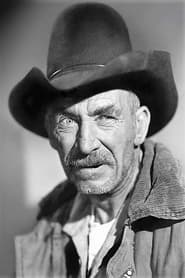
Andy Clyde
Actor
Born: March 25, 1892 in Blairgowrie, Perthshire, Scotland Died: May 18, 1967 Active: 1920-1967 Birth Name: Andrew Allan Clyde
Films
26 films
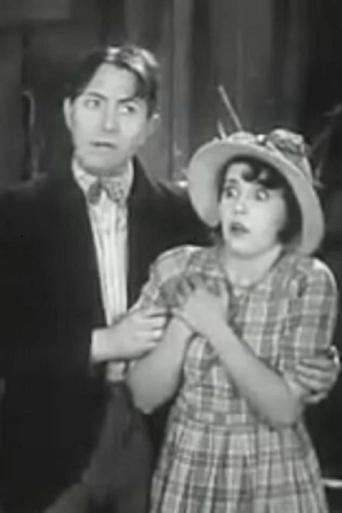
The Old Barn
1929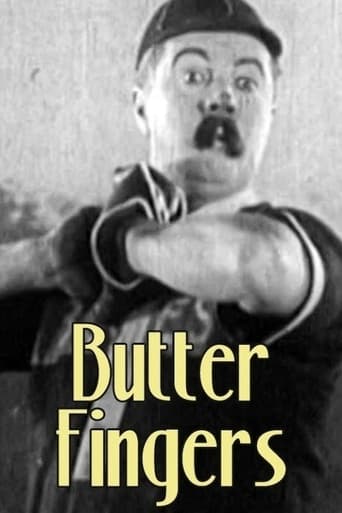
Butter Fingers
1925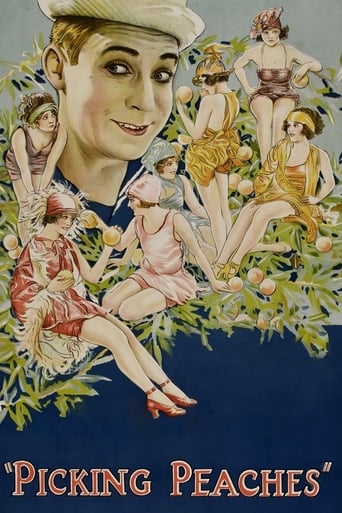
Picking Peaches
1924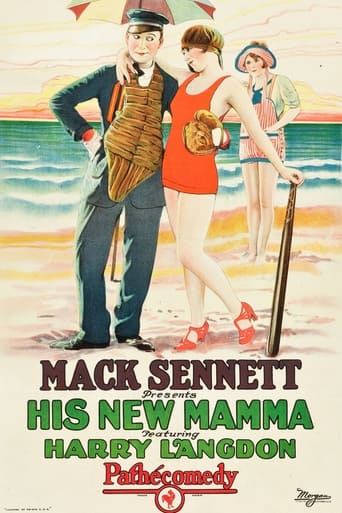
His New Mamma
1924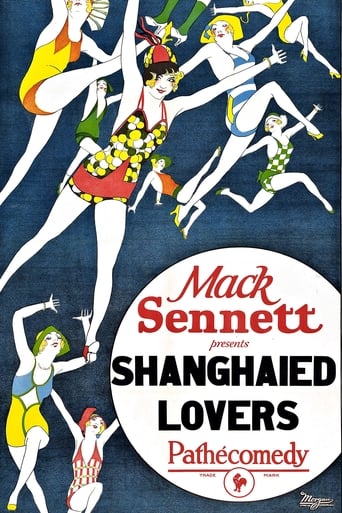
Shanghaied Lovers
1924
The Hansom Cabman
1924
Broke in China
1927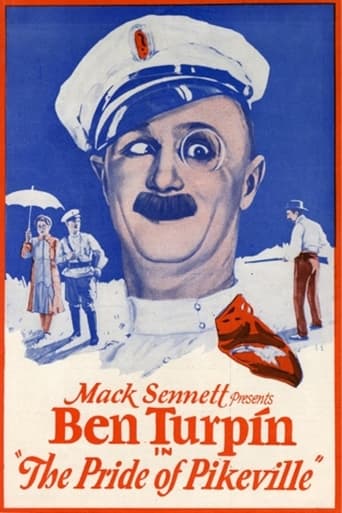
The Pride of Pikeville
1927
Fight Night
1926
Smith's Uncle
1926
Wandering Willies
1926
The Hollywood Kid
1924
The Best Man
1928No Poster
The Bargain Hunt
1928No Poster
The Golfers
1929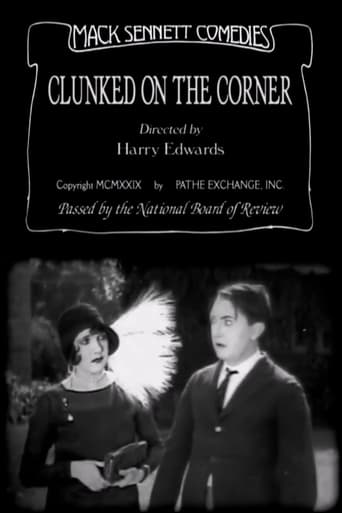
Clunked on the Corner
1929
Wall Street Blues
1924
Super-Hooper-Dyne Lizzies
1925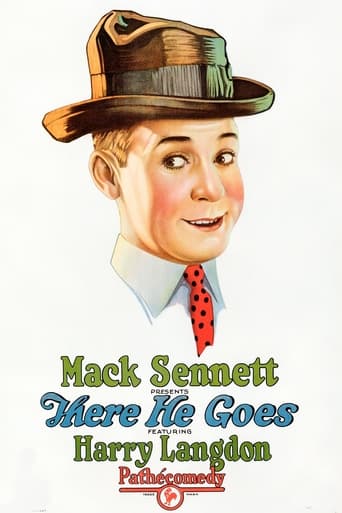
There He Goes
1925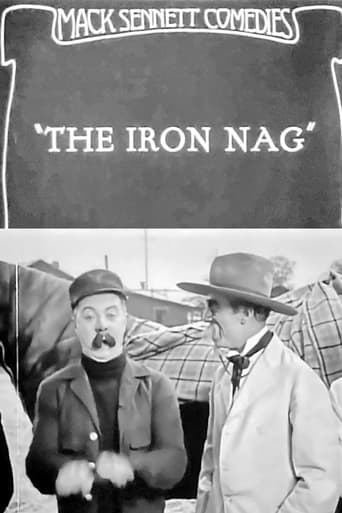
The Iron Nag
1925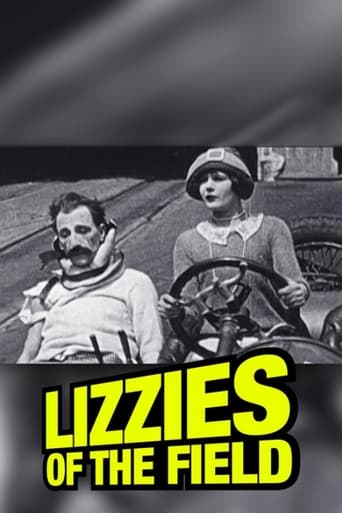
Lizzies of the Field
1924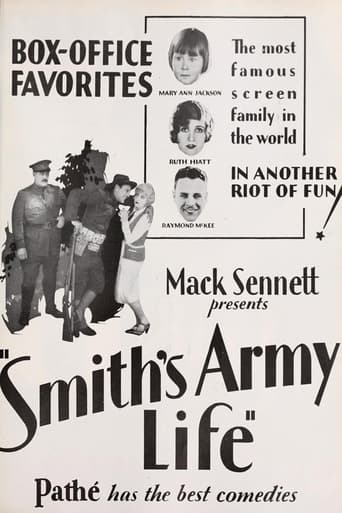
Smith's Army Life
1928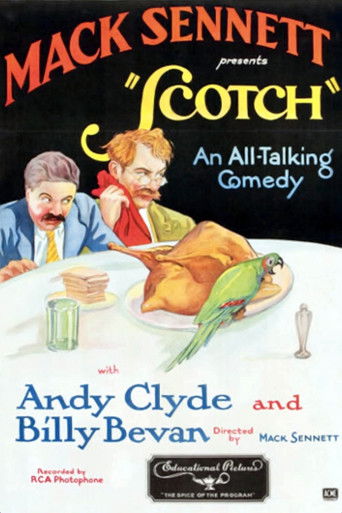
Scotch
1930No Poster
Bulls and Bears
1930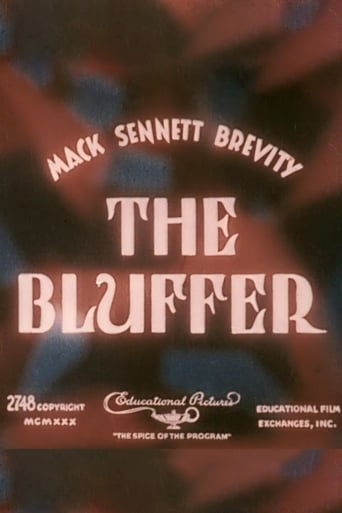
The Bluffer
1930About Andy Clyde
Andrew 'Andy' Clyde — Scottish-American actor whose remarkable over four decades in Hollywood, beginning in the silent era and continuing through the Golden Age of cinema. Born in Scotland, Clyde began his entertainment career in vaudeville before making his film debut in the early 1920s. He quickly established himself as a reliable character actor and comedian, appearing in numerous short subjects for comedy pioneer Hal Roach Studios. Clyde successfully transitioned from silent films to talkies, demonstrating remarkable versatility in both comedic and dramatic roles. Throughout the 1930s and 1940s, he became a familiar face in Columbia Pictures' comedy shorts and later found popularity in Western films and television programs. His prolific output included appearances in over 400 films, including hundreds of Hal Roach comedy shorts and Columbia two-reelers from the 1920s onward. Clyde's career continued well into the television era, where he found new audiences with his work in Western series.
The Craft
On Screen
Andy Clyde was known for his versatile comedic timing and ability to play both bumbling and authoritative characters with equal skill. His background in vaudeville provided him with strong physical comedy abilities, which he adapted effectively for both silent and sound films. Clyde had a distinctive Scottish accent that he often incorporated into his characters, adding authenticity to his portrayals. He excelled at playing the 'everyman' character who could be both comically inept and surprisingly resourceful. His acting style was characterized by subtle facial expressions, precise timing in dialogue delivery, and the ability to convey humor through both action and speech.
Milestones
- Began career in vaudeville before transitioning to films
- Signed with Hal Roach Studios in the 1920s
- Successfully transitioned from silent films to talkies
- Starred in Columbia Pictures comedy shorts series
- Appeared in over 400 films throughout his career
- Became popular character actor in Western films
- Successfully transitioned to television in the 1950s
Best Known For
Iconic Roles
Must-See Films
Accolades
Won
- Hollywood Walk of Fame star (1960)
Special Recognition
- Star on the Hollywood Walk of Fame for Motion Pictures (located at 6801 Hollywood Blvd)
Working Relationships
Worked Often With
Studios
Why They Matter
Impact on Culture
Andy Clyde made significant contributions to American comedy cinema, particularly in the short subject format that was popular from the 1920s through the 1950s. His work helped establish the template for character actors in comedy shorts, demonstrating how supporting players could become audience favorites through consistent, reliable performances. As one of the few actors to successfully bridge the gap between silent and sound comedy, Clyde's career serves as a model of adaptability in the rapidly changing film industry. His presence in hundreds of films across multiple decades made him a familiar and comforting presence to American movie audiences, contributing to the development of recognizable character archetypes in Hollywood cinema.
Lasting Legacy
Andy Clyde's legacy endures through his extensive filmography, which provides a comprehensive record of comedy styles from the silent era through the Golden Age of Hollywood. His ability to work consistently across different media—from silent shorts to sound films to television—demonstrates remarkable versatility that few actors of his era achieved. The hundreds of films in which he appeared serve as valuable historical documents of American comedy and popular culture. His star on the Hollywood Walk of Fame ensures his place in Hollywood history, while his films continue to be studied by film historians and enjoyed by classic cinema enthusiasts. Clyde represents the quintessential character actor whose consistent work ethic and adaptability allowed him to build a lasting career in an industry known for its fleeting fame.
Who They Inspired
Andy Clyde influenced generations of character actors through his demonstration of how to build a sustainable career through versatility and reliability. His work in comedy shorts helped establish conventions that would be followed by countless character actors in subsequent decades. Many actors who worked with him noted his professionalism and ability to enhance any scene with his presence, regardless of the size of his role. His successful transition from silent films to talkies provided a model for other actors facing the technological revolution in cinema. The way he balanced comedy with dramatic elements in his performances influenced how character actors approached their craft in supporting roles.
Off Screen
Andy Clyde immigrated to the United States from Scotland in his youth and eventually became a naturalized American citizen. He married Elsie Maud Tarron in 1925, and they remained married until her death in 1960. The couple had one daughter together. Clyde was known in Hollywood as a reliable professional who was well-liked by his colleagues for his work ethic and good nature. After his wife's death, he continued working actively in film and television until his own death in 1967 at the age of 75.
Education
Limited formal education, primarily trained through vaudeville experience and on-the-job film experience
Family
- Elsie Maud Tarron (1925-1960)
Did You Know?
- Born in Scotland but became one of Hollywood's most recognizable character actors
- Appeared in over 400 films during his 47-year career
- Was a skilled vaudeville performer before entering films
- Worked with comedy legend Hal Roach early in his career
- Successfully made the transition from silent films to talkies
- Was a popular character actor in Western films during the 1940s and 1950s
- Appeared on television in Western series in his later years
- His distinctive Scottish accent became one of his trademarks
- Was known for his reliability and professionalism on set
- Often played the 'everyman' character in comedy shorts
In Their Own Words
I've always believed that being a good character actor means making the star look good while still leaving your own mark on the scene.
In comedy, timing is everything, but in character work, truth is everything else.
Frequently Asked Questions
Who was Andy Clyde?
Scottish-American with credits in this catalog. He was particularly known for his work in comedy shorts and later in Western films and television series.
What films is Andy Clyde best known for?
Titles linked here include Picking Peaches (1924), His New Mamma (1924).
When was Andy Clyde born and when did he die?
Born March 25, 1892; died May 18, 1967.
What awards did Andy Clyde win?
Andy Clyde received a star on the Hollywood Walk of Fame in 1960 for his contributions to motion pictures. While he didn't receive major acting awards, his prolific career and industry recognition were significant honors.
What was Andy Clyde's acting style?
Andy Clyde was known for his versatile comedic timing, physical comedy skills honed in vaudeville, and ability to play both bumbling and authoritative characters. His distinctive Scottish accent and subtle facial expressions became trademarks of his performances.
How did Andy Clyde transition from silent films to talkies?
Andy Clyde successfully transitioned from silent films to talkies by leveraging his vaudeville background and distinctive voice. His Scottish accent became a trademark rather than a hindrance, and he adapted his physical comedy skills for sound films.
What was Andy Clyde's impact on comedy cinema?
Andy Clyde made significant contributions to American comedy cinema, particularly in the short subject format. His work helped establish conventions for character actors in comedy and demonstrated how supporting players could become audience favorites through consistent, reliable performances.