
The Old Barn
"Oswald the Lucky Rabbit meets a spooky barn."
Keys: Space play/pause · ←/→ 10s · F fullscreen · M mute · </> speed
About this film
The folks discover what appears to be a haunted barn.
Cast & crew
More films like this
More Mystery films
View all →
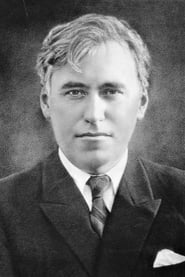
More from Mack Sennett
View all →

More about this film
About the production
Release dateMarch 3, 1929
ProductionMack Sennett Comedies
Filmed inLos Angeles, California
the production was produced during the challenging transition period from silent to sound cinema, representing one of Sennett's early attempts at incorporating sound elements into his established comedy formula. The production utilized both silent film techniques and early sound recording equipment, creating technical challenges for the cast and crew. The barn setting was likely constructed on Sennett's studio backlot, allowing for controlled filming of the various comedic and mysterious sequences.
Themes
Transition from silent to sound cinemaComedy in the face of fearMystery and investigationDeception and false appearancesRural vs. urban sensibilities
Themes & topics
Historical background
The Old Barn (1929) reached screens through Mack Sennett Comedies. Exhibitors of the time built early sound programs that mixed shorts, features, and live acts, so a clear premise helped The Old Barn travel between cities and exchange markets.
Why this film matters
Archivists and revival programmers still cite The Old Barn (1929) when tracing studio habits, casting pools, and the visual rhetoric audiences once took for granted. Even modest surviving prints help map how The Old Barn fit beside competing releases of its day.
Making of
The production of 'The Old Barn' took place during a tumultuous time in Hollywood history, as studios rushed to convert to sound technology. Mack Sennett, who had built his empire on silent comedy, faced the challenge of adapting his visual gag-based style to the new medium. The cast, particularly Johnny Burke who was more comfortable behind the scenes as a songwriter, had to adjust to the demands of sound recording, which required more controlled performances. The filming likely utilized early sound-on-disc or sound-on-film technology, which limited camera movement and required actors to stay near microphones. The haunted barn premise allowed Sennett to incorporate both supernatural mystery elements (popular in early sound films) and his trademark physical comedy, creating a hybrid that appealed to audiences' changing tastes. The production would have been rushed, as was typical of short films of this era, likely completing filming in just a few days.
What critics said
Trade coverage around 1929 discussed The Old Barn for pacing, clarity, and program fit rather than blockbuster grosses. Later writers value it as evidence of period style and as a reference point beside other films from the same era.
Did you know?
- This was one of Mack Sennett's early sound films, made during the difficult transition from silent to talkies
- The film was released as both a sound version and a silent version to accommodate theaters not yet equipped for sound
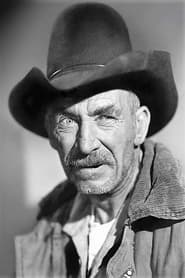
- Andy Clyde would go on to have a long career in comedy, appearing in over 400 films and television shows
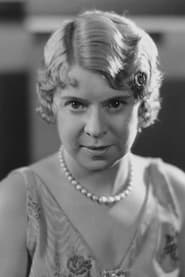
- Daphne Pollard was an Australian actress who became popular in Sennett's comedy shorts during the late 1920s
- The film represents a rare genre combination for Sennett, mixing his usual slapstick comedy with mystery elements
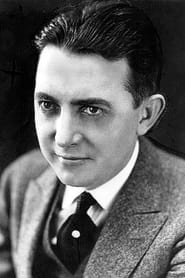
- Johnny Burke was primarily known as a songwriter rather than an actor, though he appeared in several Sennett shorts
- The barn setting was a recurring location in Sennett comedies, used for its versatility in staging physical gags
- This short film was part of Sennett's attempt to compete with the growing popularity of Hal Roach's comedy shorts
- The film was released just months before the stock market crash of 1929, which would dramatically impact the film industry
- Sennett's studio was struggling financially during this period, leading to reduced budgets for his productions
Visual style
The cinematography in 'The Old Barn' would have been constrained by early sound technology, which limited camera movement and required careful microphone placement. The visual style likely retained elements of silent film photography, with dramatic lighting to enhance the mystery sequences in the barn. The cinematographer would have had to balance the needs of comedy (clear visibility of physical gags) with the requirements of creating spooky atmosphere for the mystery elements. The barn setting would have allowed for interesting lighting possibilities, with shafts of light through cracks in the walls creating dramatic shadows. The film probably used relatively static camera setups compared to the more dynamic shots possible in silent films, a common limitation of early sound recording equipment.
Innovations
The primary technical achievement of 'The Old Barn' was its successful integration of sound elements into Mack Sennett's established comedy format. The film represents the technical challenges of early sound recording, including synchronizing audio with the rapid physical comedy that was Sennett's trademark. The production team would have had to solve problems such as microphone placement that didn't interfere with the actors' movements and recording clear dialogue and sound effects during action sequences. The film's genre-blending approach also required technical innovation in creating both comedic timing and suspenseful atmosphere within the same soundtrack. While not groundbreaking in terms of technical innovation compared to other films of 1929, it demonstrated the practical solutions that smaller studios developed for working with sound technology on limited budgets.
Music
As an early sound film, 'The Old Barn' would have featured a synchronized musical score and sound effects, likely recorded using the sound-on-disc or early sound-on-film technology available in 1929. The music would have been typical of the era, with lively comedic themes for the slapstick sequences and more mysterious, suspenseful music for the haunted barn scenes. Sound effects would have been crucial for both the comedy (slap sounds, crashes, etc.) and the mystery elements (creaking doors, strange noises). The film may have included some dialogue, though early sound comedies often relied more heavily on visual gags and music than extensive spoken lines. The quality of the audio would have been limited by the technology of the time, with noticeable background noise and limited frequency range.
Famous quotes
Did you hear that? It sounded like a ghost!
There's something mighty peculiar about this old barn...
Maybe we should investigate before we run away screaming?
I ain't afraid of no ghosts... I think.
Memorable scenes
- The opening sequence where the friends first discover the old barn and hear mysterious noises emanating from within
- A slapstick chase scene through the barn where characters stumble over hay bales and farm equipment while pursuing or fleeing from the 'ghost'
- The revelation scene where the supernatural occurrences are revealed to be the work of criminals using the barn as a hideout
- The final comedic confrontation where the bumbling heroes accidentally capture the criminals through sheer luck rather than skill
What audiences thought
Audience reception in 1929 would have been influenced by the novelty of sound films and the continued popularity of short comedy subjects. Moviegoers of the era were still excited by the prospect of hearing dialogue and sound effects, which may have made 'The Old Barn' appealing despite any shortcomings in its comedic execution. The mystery elements would have added to the entertainment value, as supernatural themes were popular in early sound cinema. However, audiences were also becoming more sophisticated in their tastes, and Sennett's traditional slapstick may have seemed dated to some viewers. The film's short runtime (approximately 20 minutes) made it suitable as part of a varied theater program, which typically included newsreels, cartoons, and other short subjects alongside the main feature.
Film connections
Influenced by
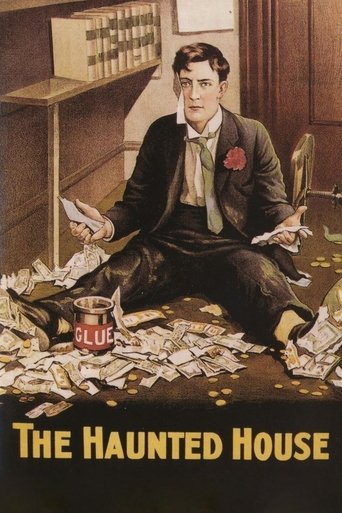
- The Haunted House (1921)
- The Cat and the Canary (1927)
- Hal Roach comedy shorts
- Keystone comedy style
- Early mystery films
This film influenced
- Later Sennett sound shorts
- Comedy-mystery hybrids of the 1930s
- Three Stooges shorts with mystery elements
- Abbott and Costello horror-comedies
Film restoration
The preservation status of 'The Old Barn' (1929) is uncertain, which is not uncommon for short subjects from this era. Many of Mack Sennett's later films from his sound period have been lost or exist only in incomplete form. The film may survive in archives such as the Library of Congress, the Academy Film Archive, or the UCLA Film and Television Archive, but it is not widely available for public viewing. Some Sennett shorts from this period have been found in private collections or discovered among international film archives. If the film does exist, it likely requires restoration work due to the deterioration common in nitrate film stock from this period. The dual release in both sound and silent versions increases the possibility that at least one version may have survived.
Where to watch
- Currently, 'The Old Barn' (1929) is not readily available on any major streaming platforms or home video releases. The film may be accessible through specialized film archives, cinema museums, or film preservation organizations that hold Mack Sennett collections. Some university film departments or classic film societies might have access to the film for educational screenings. Occasionally, rare film distributors specializing in early cinema may include this short in compilation releases of Sennett comedies. Film researchers might be able to arrange viewings through the Library of Congress or the Academy Film Archive if the film is preserved in their collections. Online resources for lost film hunters and silent film enthusiasts sometimes share information about where obscure shorts like this might be viewed.