Films
4 films
About Johnny Burke
Johnny Burke was cast in a small number of silent film shorts during the transitional period between silent cinema and early sound films. His brief only 1928-1929, during which he appeared in at least four short comedy films. The titles of his films suggest they were collegiate or rural-themed comedies, which were popular genres in late silent cinema. Like many actors of this era with limited filmographies, Burke's career was likely cut short by the transition to sound films, which dramatically changed the industry and ended the careers of many silent era performers. His films appear to have been produced as short subjects rather than feature films, indicating he may have been a character actor or bit player rather than a leading man. Very little documentation survives about actors with such brief careers from this period, making detailed biographical information scarce.
The Craft
On Screen
Likely employed the exaggerated physical comedy style common in silent film shorts, with emphasis on visual gags and pantomime typical of the era's comedy genre
Milestones
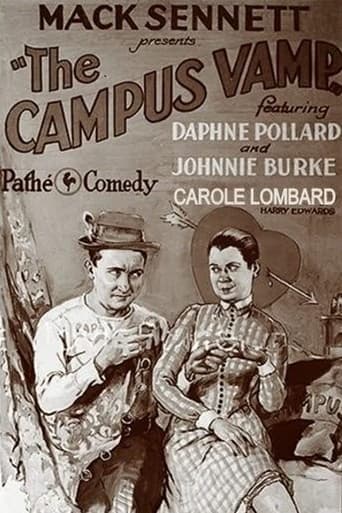
- Appeared in The Campus Vamp (1928)
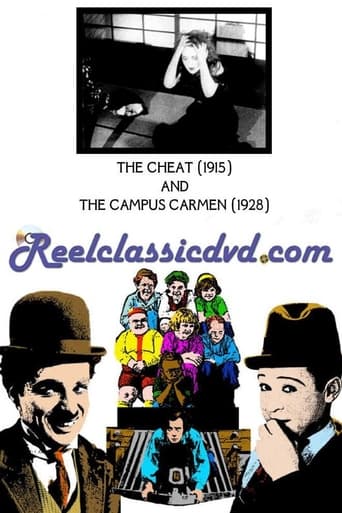
- Starred in The Campus Carmen (1928)
- Featured in The Old Barn (1929)
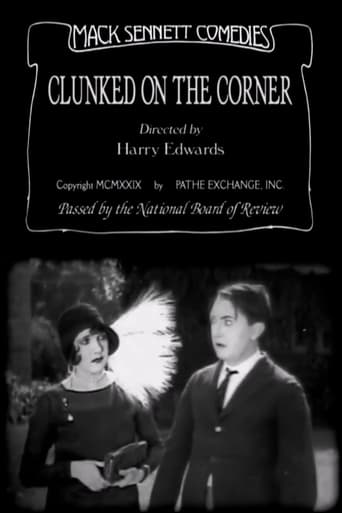
- Acted in Clunked on the Corner (1929)
Best Known For
Must-See Films
Why They Matter
Impact on Culture
Johnny Burke's cultural impact was minimal due to his extremely brief career spanning only four known films in 1928-1929. He represents the thousands of working actors in late silent cinema who appeared in short subjects and supporting roles but whose careers were ended by the transition to sound. His filmography provides insight into the types of comedy shorts being produced during this transitional period in Hollywood history.
Lasting Legacy
Johnny Burke's legacy is primarily as an example of the journeyman actors who populated the silent film era. His brief career coincided with. The survival of his film credits, however minimal, helps document the vast ecosystem of short subject production in late 1920s Hollywood.
Who They Inspired
Given his brief career and limited filmography, Johnny Burke had no significant influence on other actors or directors. He was likely a working actor following the established comedy conventions of the silent era rather than an innovator or trendsetter.
Off Screen
Very little personal information is available about Johnny Burke, which is typical for actors with brief careers in the late silent era. Many performers from this period who appeared in only a few films left behind minimal biographical records.
Did You Know?
- Johnny Burke's entire known filmography consists of only four films released over a two-year period
- All of his known films were comedy shorts, a popular format in late silent cinema
- His career ended right at the transition point between silent and sound films
- The film titles suggest collegiate and rural settings, common comedy themes of the era
- Like many silent era actors with brief careers, extensive biographical information about him has been lost to time
- He should not be confused with the famous lyricist Johnny Burke who wrote songs for Bing Crosby films
- His films were likely produced as supporting shorts rather than main features
- The brevity of his career was typical for many character actors in late silent Hollywood
Frequently Asked Questions
Who was Johnny Burke?
Screen credits include silent film comedy shorts during 1928-1929. His brief career consisted of four known films before disappearing from the film industry, likely due to the transition to sound movies.
What films is Johnny Burke best known for?
Titles linked here include The Campus Vamp (1928), The Campus Carmen (1928).
When was Johnny Burke born and when did he die?
Specific birth and death dates for Johnny Burke are not documented, which is common for actors with brief careers in the silent era who left behind minimal biographical records.
What awards did Johnny Burke win?
Johnny Burke did not receive any known awards or nominations during his brief two-year acting career, which was typical for character actors in silent short subjects.
What was Johnny Burke's acting style?
Based on the comedy genre of his films and the silent era timeframe, Burke likely employed the exaggerated physical comedy and pantomime techniques common in silent film shorts of the late 1920s.
Why was Johnny Burke's career so short?
Burke's career ended around 1929, coinciding with Hollywood's transition to sound films. Many silent era actors, especially those in short subjects and supporting roles, found their careers ending during this industry upheaval.
Is Johnny Burke related to the famous lyricist?
No, this Johnny Burke should not be confused with the famous lyricist Johnny Burke (1908-1964) who wrote songs for Bing Crosby films like 'Swinging on a Star' - they were different people working in different aspects of entertainment.