
The Campus Carmen
"Carmen on campus"
Keys: Space play/pause · ←/→ 10s · F fullscreen · M mute · </> speed
About this film
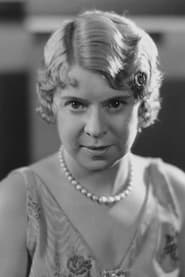
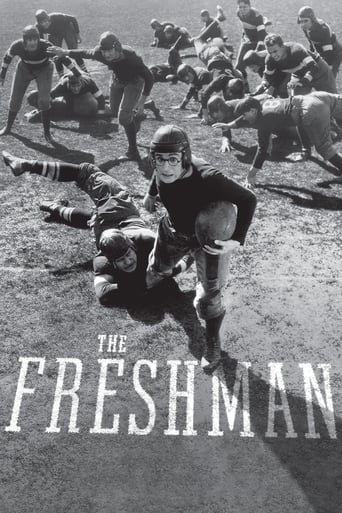
Campus parody of Carmen stars Daphne Pollard and Carole Lombard in a collegiate burlesque. A campus set-up of Carmen featuring Daphne Pollard & Carole Lombard.
Cast & crew
More films like this
More Comedy films
View all →







More from Alfred J. Goulding
View all →
More about this film
About the production
Release dateMarch 1928
ProductionMack Sennett Comedies
Filmed inLos Angeles, California
This was one of several comedy shorts produced by Mack Sennett during the transition from silent to sound films. The film was shot quickly on a tight schedule, typical of comedy shorts of the era. The production likely utilized existing college campus sets or locations to create the authentic academic atmosphere.
Themes
ParodyCollege lifeRomantic comedyYouth cultureAdaptation of classic literature
Themes & topics
Historical background
1928 placed The Campus Carmen within United States cinema as Mack Sennett Comedies navigated wartime markets, immigration audiences, and the shift from intertitles to sound.
Why this film matters
Archivists revisit The Campus Carmen (1928) for Alfred J. Goulding style, genre norms at Mack Sennett Comedies, and the exhibition context of 20 programming.
Making of
The Campus Carmen was produced during a fascinating transitional period in Hollywood history. The film was created at Mack Sennett's studio, which had been a powerhouse of silent comedy since the 1910s. Director Alfred J. Goulding, who had extensive experience directing comedy shorts, would have worked quickly to capture the physical gags and timing essential to silent comedy. The casting of both Daphne Pollard and Carole Lombard suggests the studio was trying to combine established comedy talent with promising newcomers. The production would have relied heavily on visual storytelling, intertitles, and the physical comedy skills of the actors. Given the timing of its release in early 1928, the film was likely conceived and produced before the full impact of sound cinema was felt, though studios were already beginning to prepare for the transition.
What critics said
Retrospective writing on The Campus Carmen stresses craft by Alfred J. Goulding, print survival, and repertory value rather than opening-week gross alone.
Did you know?
- This film represents one of Carole Lombard's early screen appearances before she became a major star in the 1930s
- Daphne Pollard was a popular comedy actress in the 1920s, known for her work in Mack Sennett shorts
- The film was released during the pivotal transition period from silent films to talkies in Hollywood
- Director Alfred J. Goulding was an Australian-born director who specialized in comedy shorts
- The Carmen story was a popular source for parodies and adaptations in early cinema due to its universal recognition
- Mack Sennett, the producer, was known as 'The King of Comedy' for his pioneering work in silent film comedy
- The film's short runtime was typical of comedy shorts that played before feature films in theaters
- This was likely one of the last silent shorts Lombard appeared in before transitioning to sound pictures
Visual style
As a silent comedy short from 1928, The Campus Carmen would have employed standard black and white cinematography typical of the era. The visual style would have emphasized clarity and composition to support the physical comedy and storytelling without dialogue. The camera work likely included medium shots for dialogue scenes (with intertitles), wider shots for physical comedy sequences, and close-ups for emotional reactions. The cinematographer would have worked to capture the timing of gags and ensure the actors' expressions were clearly visible. Lighting would have been practical and designed to illuminate the action rather than create artistic mood, typical of comedy shorts that needed to be produced efficiently.
Innovations
The Campus Carmen does not appear to have introduced any significant technical innovations, as it was a standard comedy short produced using established techniques of the late silent era. The film would have utilized the standard 35mm film format and typical camera equipment of the period. Any technical achievements would be in the realm of efficient production methods and the successful execution of comedy timing rather than technological breakthroughs. The film represents the refinement of silent comedy techniques rather than innovation in film technology.
Music
As a silent film, The Campus Carmen would not have had a synchronized soundtrack, but would have been accompanied by live music in theaters. The musical accompaniment would likely have included popular songs of the era, classical pieces, and original improvisation by the theater's organist or pianist. Given the film's parody of Carmen, the accompaniment might have included playful references to Bizet's opera music. The score would have been designed to enhance the comedy, with musical cues timed to match the on-screen action and emotional beats. The music would have varied in tempo and style to match the changing moods of the scenes, from romantic moments to slapstick sequences.
Memorable scenes
- The opening sequence establishing the campus setting with students rushing to class
- Any scenes featuring Daphne Pollard's parody of Carmen's seductive behavior adapted to college life
- Physical comedy sequences likely involving classroom or campus locations
What audiences thought
Audience reception in 1928 would have been based on the film's ability to entertain theatergoers as part of a typical program that included a feature film, newsreel, and possibly other shorts. Comedy shorts were expected to provide laughs and fill out the program, and The Campus Carmen likely succeeded on this basic level. The campus setting would have resonated with young audiences, while the Carmen parody would have been familiar to theatergoers of the time. The presence of physical comedy and romantic misunderstandings were proven audience-pleasers of the era. Modern audiences rarely have the opportunity to see this film due to its limited availability, but those interested in silent comedy history would find it valuable for its cast and production context.
Film connections
Influenced by
- Carmen opera by Georges Bizet
- Mack Sennett comedy style
- College-themed films of the 1920s
Film restoration
The preservation status of The Campus Carmen is unclear, but like many silent comedy shorts from this period, it may be considered lost or exist only in incomplete form. Many Mack Sennett shorts from the late 1920s have not survived in complete versions due to the nitrate film deterioration and lack of preservation efforts in the early decades of cinema. The film may exist in film archives or private collections, but is not widely available to the public.
Where to watch
- The film is not currently available on major streaming platforms or home video. It may be accessible through specialized film archives, silent film festivals, or private collectors. Some film archives that might hold copies include the Library of Congress, UCLA Film & Television Archive, or the Museum of Modern Art's film collection.