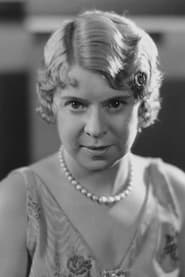
Daphne Pollard
Actor
Born: October 19, 1891 in Melbourne, Victoria, Australia Died: February 22, 1978 Active: 1927-1935 Birth Name: Daphne Trott
Films
7 films
About Daphne Pollard
Daphne Pollard, born Daphne Trott, was an Australian-born actress who found success in Hollywood during the transition from silent films to talkies. She began her career in Australian vaudeville before migrating to the United States, where she quickly established herself as a reliable character actress in comedy productions. Pollard became particularly associated with Hal Roach Studios, appearing in numerous comedy shorts alongside comedians like Charley Chase, Laurel and Hardy, and Our Gang. Her distinctive appearance, characterized by her petite stature and expressive face, made her instantly recognizable to audiences of the era. Though primarily a supporting player, she possessed remarkable comedic timing and appeared in over 100 films between 1927 and 1935. Her the crucial period when cinema evolved from silent to sound, and she successfully made the transition that ended many careers of her contemporaries. After her film career waned in the mid-1930s, she largely retired from acting, leaving behind a substantial body of work that exemplified the golden age of Hollywood comedy shorts.
The Craft
On Screen
Daphne Pollard specialized in comedic character acting, utilizing her petite frame and expressive facial features to create memorable supporting roles. Her style was rooted in vaudeville traditions, emphasizing physical comedy and timing that translated well to both silent and sound films. She often played flustered, eccentric, or motherly characters who served as perfect foils to the lead comedians. Her performances were characterized by quick reactions, deadpan expressions, and the ability to deliver both physical and verbal humor with equal effectiveness.
Milestones
- Signed with Hal Roach Studios in 1927
- Appeared in over 100 comedy shorts during her career
- Successfully transitioned from silent films to talkies
- Worked with major comedy stars including Laurel and Hardy
- Became a recognizable face in Hollywood comedy productions
Best Known For
Iconic Roles
Must-See Films
Working Relationships
Worked Often With
Studios
Why They Matter
Impact on Culture
Daphne Pollard represents the crucial generation of performers who bridged the gap between vaudeville and Hollywood cinema. As a woman in comedy during the early sound era, she contributed to the development of ensemble comedy that would become a staple of Hollywood filmmaking. Her work with Hal Roach Studios helped establish the template for comedy shorts that would influence generations of comedians and filmmakers. Though never a star, her consistent presence in hundreds of films made her a familiar face to movie audiences of the late 1920s and early 1930s, contributing to the Golden Age Hollywood comedy.
Lasting Legacy
Daphne Pollard's legacy lies in her substantial contribution to the golden age of Hollywood comedy shorts. While she never achieved star status, her body of work serves as a valuable record of the transition from silent to sound comedy. Her performances alongside comedy legends like Laurel and Hardy help preserve the style and techniques of early Hollywood comedy. Film historians and classic cinema enthusiasts recognize her as an important supporting player who enhanced the work of comedy's greatest stars. Her career exemplifies the journey of many vaudeville performers who successfully adapted to the new medium of motion pictures.
Who They Inspired
Pollard influenced later generations of character actresses through her demonstrated ability to create memorable supporting roles in comedy. Her successful transition from silent films to talkies provided a model for other performers facing the technological challenges of sound cinema. Her work in ensemble casts helped establish the importance of well-cast supporting characters in comedy productions, a principle that continues to influence film comedy today.
Off Screen
Daphne Pollard was married twice during her lifetime. She first married fellow actor James Finlayson, the Scottish comedian famous for his work with Laurel and Hardy, though the marriage ended in divorce. She later married Harry C. Bradley, another character actor who appeared in numerous films during the same era. After her film career ended, Pollard lived a relatively private life in Los Angeles, remaining connected to the film community through her husband's continued work in the industry.
Education
Trained in Australian vaudeville and theater, no formal acting education documented
Family
- James Finlayson (1920s-1930s)
- Harry C. Bradley (1940s-1956)
Did You Know?
- Born Daphne Trott, she adopted the surname Pollard as her stage name
- She stood only 4'11" tall, which contributed to her distinctive screen presence
- Appeared in more than 100 films during her eight-year Hollywood career
- Was a popular performer in Australian vaudeville before coming to America
- Often played motherly or spinster characters despite being relatively young
- Worked with both Laurel and Hardy and The Three Stooges during her career
- Her first husband, James Finlayson, was famous for his exclamation 'D'oh!'
- Successfully made the transition from silent films to talkies when many actors did not
- Retired from acting in the mid-1930s when her roles began to diminish
- Lived in Los Angeles for the remainder of her life after retiring from films
Frequently Asked Questions
Who was Daphne Pollard?
Australian-born actress who became a prolific character actress in Hollywood comedy shorts during the late 1920s and early 1930s. She appeared in over 100 films, primarily with Hal Roach Studios, working alongside comedy legends like Laurel and Hardy.
What films is Daphne Pollard best known for?
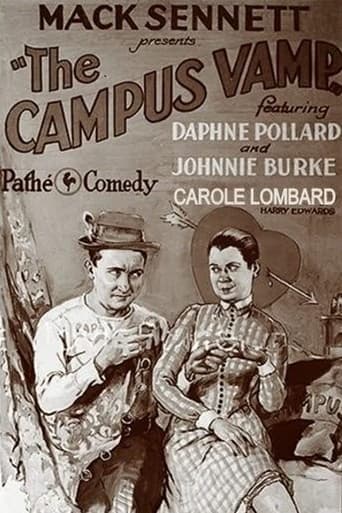
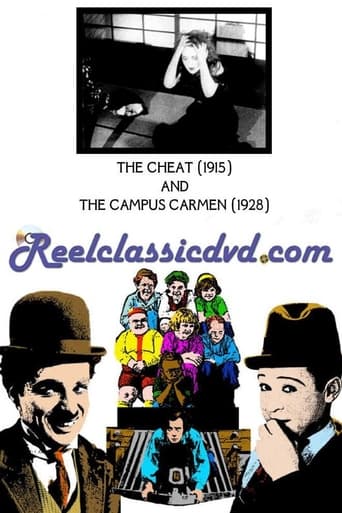
Titles linked here include The Campus Vamp (1928), The Campus Carmen (1928).
When was Daphne Pollard born and when did she die?
Born October 19, 1891; died February 22, 1978.
What awards did Daphne Pollard win?
Daphne Pollard did not receive major formal awards during her career, as was common for supporting character actors of her era. Her recognition came from her prolific work and the appreciation of audiences who enjoyed her comedy performances.
What was Daphne Pollard's acting style?
Pollard specialized in vaudeville-inspired comedic character acting, using her petite stature and expressive face to create memorable supporting roles. She excelled at physical comedy and timing, often playing flustered or eccentric characters who complemented the lead comedians.