

The Campus Vamp
"Triangle campus with blonde girl"
Keys: Space play/pause · ←/→ 10s · F fullscreen · M mute · </> speed
About this film
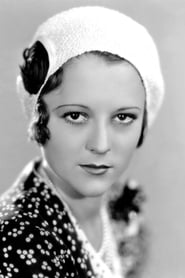
Love triangle in a campus with a blonde girl that really seems to not consider the "other" girl as an obstacle. Who will make it? And actually who cares when parties, sport games and lots of fun are available?
Cast & crew
More films like this
More Comedy films
View all →







More from Harry Edwards
View all →

More about this film
About the production
Release dateJune 9, 1928
ProductionHal Roach Studios
Filmed inHal Roach Studios, Culver City, California
The Campus Vamp was produced during the transitional period between silent and sound films, when studios were still churning out silent comedies while simultaneously investing in sound technology. As a Hal Roach production, it benefited from the studio's expertise in short-form comedy and their roster of talented character actors. The film was shot on the studio's backlot sets designed to resemble a college campus, a common practice for efficiency in the studio system era.
Themes
Themes & topics
Historical background
Contemporary records classify The Campus Vamp (1928) as 1928 film by harry edwards, placing it within late silent cinema and the transition toward sound.
Why this film matters
The Campus Vamp (1928) helps trace genre evolution, performer careers, and the material conditions of silent exhibition.
Making of
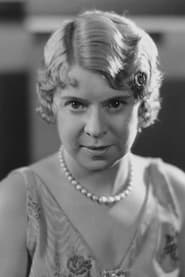
The Campus Vamp was produced under the efficient Hal Roach Studios system, known for churning out quality comedy shorts on a tight schedule. Director Harry Edwards brought his experience from working with major comedy stars to this production, utilizing the studio's stock company of actors. The film was likely shot in just a few days, typical for shorts of this era. The campus sets were probably reused from other productions, a common cost-saving measure in studio filmmaking. The cast, led by Daphne Pollard, were seasoned comedy performers who understood the physical timing and expression required for silent film comedy. The production would have relied heavily on visual storytelling, intertitles, and musical accompaniment to convey the narrative and humor.
What critics said
Trade and revival screenings have kept The Campus Vamp (1928) on the map for collectors and scholars rather than mass first-run promotion.
Did you know?
- The Campus Vamp was released just months before the stock market crash of 1929, during the peak of the Jazz Age's cultural influence on youth culture.
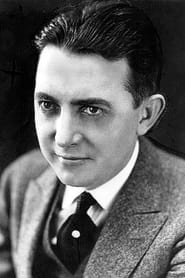
- Director Harry Edwards was a prolific comedy director who worked extensively with Harold Lloyd before moving to Hal Roach Studios.
- The film was part of a series of college-themed comedies popular in the late 1920s, reflecting America's growing fascination with higher education and campus life.
- Daphne Pollard, though not as famous as some of her contemporaries, was a reliable character actress who appeared in numerous Hal Roach productions.
- The term 'vamp' in the title refers to a seductive or flirtatious woman, a popular archetype in 1920s cinema.
- This film was released in the same year as the first all-talking picture, 'Lights of New York,' making it part of the last wave of prominent silent comedies.
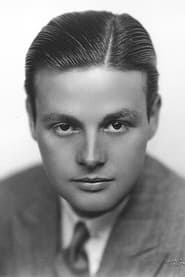
- Johnny Burke, who appears in the film, would later become a renowned Hollywood lyricist, though this was an acting role for him.
- The campus setting allowed for visual gags involving sports, classroom scenes, and social events, staples of silent comedy.
- Hal Roach Studios was known as 'The Lot of Fun' and specialized in comedy shorts like this one.
- The film's title plays on the popular 'vamp' character type that had been established by Theda Bara in the 1910s.
Visual style
The cinematography of The Campus Vamp would have employed standard techniques for silent comedy of the late 1920s, including careful composition to frame physical comedy and romantic moments. The camera work would have been relatively static compared to later films but would have utilized movement to follow action sequences. The lighting would have been designed to create the appropriate mood for different scenes - bright for outdoor activities and parties, more intimate for romantic moments. The campus setting would have allowed for varied visual environments, from classroom interiors to sports fields and social gathering spaces. The cinematography would have been crucial in conveying emotion and comedy without the benefit of synchronized dialogue.
Innovations
The Campus Vamp does not appear to feature any major technical innovations, as it was a standard studio production from the late silent era. The film would have utilized the established technology of the period, including standard 35mm film and the typical editing techniques of silent cinema. The technical aspects would have been solid and professional, reflecting Hal Roach Studios' reputation for quality production values. The film represents the refinement of silent film techniques rather than innovation, as the industry was on the cusp of the sound revolution that would soon make such technical achievements obsolete.
Music
As a silent film, The Campus Vamp would have been accompanied by live musical performance in theaters. The typical score would have included popular songs of the era, classical pieces, and original compositions designed to enhance the mood and action on screen. The music would have been particularly important during romantic scenes, comedy sequences, and moments of tension. Theaters might have used cue sheets provided by the studio or relied on their house musicians to create appropriate accompaniment. The soundtrack would have been crucial in establishing the film's light, comedic tone and helping to convey the emotional journey of the characters.
Memorable scenes
- The film likely featured memorable scenes at campus parties where romantic tensions played out against the backdrop of Jazz Age festivities
- Sports competition sequences that provided opportunities for physical comedy and character development
- Classroom scenes where the romantic dynamics created humorous situations
- Social gatherings on the campus quad where the love triangle dynamics were on full display
What audiences thought
Audiences in 1928 would have found The Campus Vamp to be an enjoyable and relatable comedy, particularly the younger viewers who could identify with the college setting and romantic complications. The film's light tone and familiar situations would have made it popular as part of a theater's short film program. The campus setting would have appealed to the growing number of Americans attending college or aspiring to higher education. The romantic elements and comedy would have provided the escapist entertainment that audiences sought during the movie-going boom of the late 1920s. Modern audiences viewing the film today would likely appreciate it as a historical artifact that provides insight into 1920s culture, fashion, and social norms.
Film connections
Influenced by
- Other Hal Roach comedies
- College-themed films of the 1920s
- Silent era romantic comedies
- Harold Lloyd films
- Charlie Chaplin shorts
This film influenced
- Later college comedies
- 1930s campus films
- Teen comedies
- Romantic comedy shorts
Film restoration
The preservation status of The Campus Vamp is uncertain, as many silent shorts from this period have been lost or exist only in incomplete copies. As a Hal Roach production, it has a better chance of survival than some independent productions, but its status as a non-star vehicle means it may not have received priority in preservation efforts. The film may exist in film archives or private collections, possibly in 16mm reduction prints made for television distribution in the 1950s. Some silent film enthusiasts and archives may have reconstructed versions from surviving fragments.
Where to watch
- The film may be available through specialized silent film archives
- Possible inclusion in Hal Roach comedy collections
- May occasionally screen at silent film festivals or specialized cinematheques
- Potentially available through film preservation organizations or academic institutions
- Could be part of online silent film databases or streaming services specializing in classic cinema