Films
1 film
About Lucille Miller
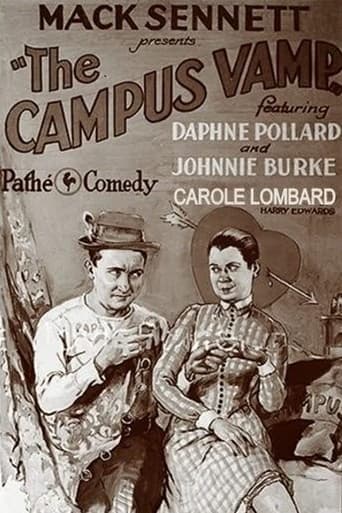
American actress who appeared briefly during the transition from silent films to talkies in the late 1920s. Her known film work consists primarily of her role in the 1928 comedy short 'The Campus Vamp,' which was released during the pivotal period when Hollywood was converting to sound. Like many actors of her era, Miller's career was likely impacted by the dramatic changes in the film industry, as the advent of synchronized sound eliminated many silent film performers who either lacked suitable voices or struggled to adapt to the new medium. Her appearance in 'The Campus Vamp' places her among the countless young hopefuls who sought stardom during Hollywood's golden era but found only fleeting opportunities. The film itself was a typical collegiate comedy of its time, reflecting the popular genre of campus romances and flapper culture that dominated late 1920s cinema. Miller's brief career trajectory was not uncommon during this transitional period, when many actors found their opportunities limited as studios restructured their talent rosters to accommodate sound production requirements.
The Craft
Milestones
- Appeared in 'The Campus Vamp' (1928) during the silent-to-sound transition era
Best Known For
Must-See Films
Why They Matter
Impact on Culture
Lucille Miller represents the countless aspiring actors who participated in Hollywood's golden age but whose careers were brief and largely undocumented. Her appearance in 'The Campus Vamp' places her within the historical context of late 1920s cinema, specifically during the industry's challenging transition from silent films to talkies. While she did not achieve lasting fame, actors like Miller were essential to the film industry's machinery, filling supporting roles and contributing to the classic Hollywood cinema. Her story illustrates the competitive nature of early Hollywood and the thousands of hopefuls whose dreams of stardom remained unfulfilled, yet who nonetheless contributed to the magic of the silver screen.
Lasting Legacy
Lucille Miller's legacy is primarily that of a representative figure from the vast pool of actors who populated Hollywood's golden age but achieved only fleeting recognition. Her single known film credit serves as a historical artifact documenting the types of performers who filled supporting roles in late 1920s cinema. While she did not leave a substantial body of work, her inclusion in film records helps historians and film enthusiasts understand the scope and scale of Hollywood's talent pool during this transformative period in cinema history.
Who They Inspired
As an actor with an extremely brief and limited filmography, Lucille Miller did not have a significant influence on other performers or the film industry. Her career serves more as an example of the challenges faced by many actors during the silent-to-sound transition, rather than as an influential force in cinema.
Off Screen
Very little personal information is available about Lucille Miller, which was typical for many bit players and supporting actors of the silent era who did not achieve lasting fame. Like many aspiring actors of her time, she was likely drawn to Hollywood during the boom years of the 1920s but did not achieve the level of success that would have resulted in extensive biographical documentation.
Did You Know?
- Lucille Miller's entire known film career consists of a single year - 1928
- She appeared in 'The Campus Vamp' during the exact period when Hollywood was transitioning from silent films to talkies
- Her film career coincided with
- Like many actors of her era, biographical information about her is extremely limited
- The Campus Vamp was a comedy short, a popular format during the late silent era
- Her brief career was typical of many actors who could not adapt to or find opportunities in sound films
Frequently Asked Questions
Who was Lucille Miller?
American actress active briefly in 1928, known primarily for her appearance in the silent comedy short 'The Campus Vamp.' Her active years covered only a single year during the transitional period from silent films to talkies.
What films is Lucille Miller best known for?
Titles linked here include The Campus Vamp (1928).
When was Lucille Miller born and when did she die?
Specific birth and death dates for Lucille Miller are not documented in available historical records, which was common for many supporting actors of the silent era who did not achieve lasting fame.
What awards did Lucille Miller win?
There are no recorded awards or nominations for Lucille Miller, which is typical for actors with very brief careers and limited filmographies during the silent era.
Why was Lucille Miller's career so brief?
Lucille Miller's brief career was likely influenced by the massive industry changes occurring in 1928, as Hollywood's transition to sound films eliminated many opportunities for silent era actors who either couldn't adapt or weren't selected for the new sound productions.