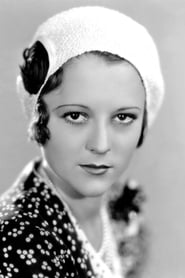
Sally Eilers
Actor
Born: December 11, 1908 in New York City, New York, USA Died: January 5, 1978 Active: 1927-1942 Birth Name: Dorothea Sally Eilers
Films
6 films
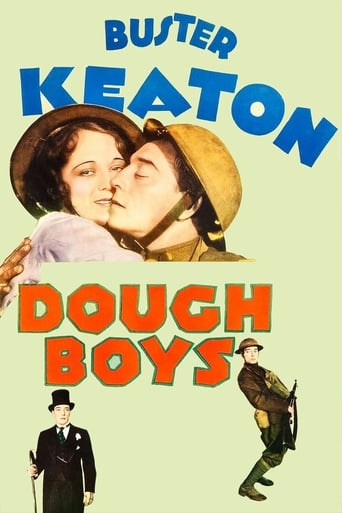

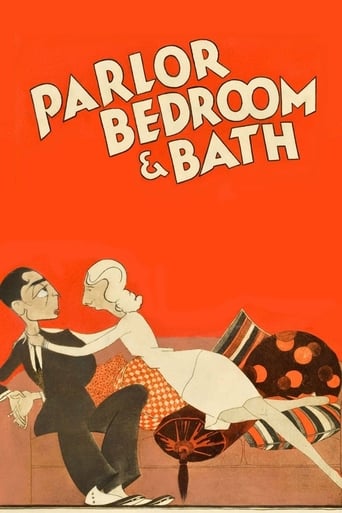
About Sally Eilers
Sally Eilers worked on one surviving credit: Bad Girl (1931). Born Dorothea Sally Eilers in New York City, she began her career as a model before being discovered by a Fox Film Corporation executive. Her breakthrough came in 1928 when she was selected as one of the WAMPAS Baby Stars, a prestigious honor that highlighted the most promising young actresses in Hollywood. Eilers successfully made the transition to talkies, showcasing her versatility in both dramatic and comedic roles throughout the early 1930s. Her most acclaimed performance came in 'Bad Girl' (1931), which earned her critical praise and established her as a leading lady. She continued working steadily through the 1930s, appearing in over 60 films before her career began to wane in the early 1940s. After retiring from acting, she largely withdrew from public life, spending her later years in California until her death in 1978.
The Craft
On Screen
Eilers was known for her naturalistic acting style that adapted well to the transition from silent films to talkies. She possessed a charming screen presence with a versatile range that allowed her to excel in both light comedies and dramatic roles. Her performances were characterized by an understated emotional depth and a modern sensibility that appealed to contemporary audiences of the early sound era.
Milestones
- Selected as WAMPAS Baby Star in 1928
- Starred in 'Bad Girl' (1931) which was a critical success
- Successfully transitioned from silent films to talkies
- Appeared in over 60 films during her career
- Worked with major studios including Fox, Paramount, and Universal
Best Known For
Iconic Roles
Must-See Films
Accolades
Special Recognition
- WAMPAS Baby Star (1928)
Working Relationships
Worked Often With
Studios
Why They Matter
Impact on Culture
Sally Eilers represented the transitional generation of actresses who successfully navigated the shift from silent cinema to sound films. Her selection as a WAMPAS Baby Star in 1928 positioned her as one of the promising faces of Hollywood's new era. Her work in pre-Code Hollywood films contributed to the more daring and sophisticated cinema of the early 1930s, helping to define the modern American actress who could handle both dramatic depth and comedic timing.
Lasting Legacy
While not as widely remembered as some of her contemporaries, Sally Eilers left her mark as a representative figure of the early sound era. Her filmography provides valuable insight into the evolution of American cinema during its most transformative period. Her successful transition from silent films to talkies serves as an example of adaptability that many actors of her generation struggled to achieve.
Who They Inspired
Eilers influenced subsequent generations of actresses through her demonstration of how to maintain a natural acting style in early sound films. Her work helped establish the template for the modern film actress who could move seamlessly between genres and formats, setting a standard for versatility that would become increasingly important in Hollywood.
Off Screen
Sally Eilers was married three times throughout her life. Her first marriage was to actor Hoot Gibson in 1930, which ended in divorce in 1933. She then married Harry A. Gant, a studio executive, in 1937, and they remained married until his death in 1947. Her final marriage was to John W. C. Hughes in 1952. She had one son, Cary, from her marriage to Hoot Gibson. After retiring from acting, Eilers lived a relatively private life in California, away from the Hollywood spotlight.
Education
Limited information available about her formal education, though she attended public schools in New York City before beginning her modeling career as a teenager.
Family
- Hoot Gibson (1930-1933)
- Harry A. Gant (1937-1947)
- John W. C. Hughes (1952-1978)
Did You Know?
- Was one of 13 actresses selected as WAMPAS Baby Stars in 1928
- Began her career as a magazine cover model in New York
- Her height was 5'3" and she had blonde hair and blue eyes
- Made her film debut in a small uncredited role in 1927
- Was originally cast in 'The Jazz Singer' (1927) but her scenes were cut
- Her role in 'Bad Girl' (1931) was originally offered to Clara Bow
- Retired from acting in 1942 at the age of 34
- Her final film was 'Lady for a Night' (1942)
- Was known for her professionalism and reliability on set
- Maintained lifelong friendships with several of her co-stars from the early 1930s
In Their Own Words
Being a WAMPAS Baby Star was like getting a ticket to the big league - everyone suddenly knew who you were
The transition to sound wasn't as scary as everyone said it would be, if you could just be yourself
I never wanted to be a star, just a good actress who worked steadily
Frequently Asked Questions
Who was Sally Eilers?
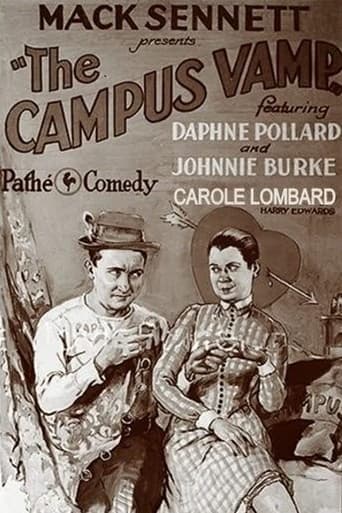
American actress active during the late 1920s and 1930s, best known for successfully transitioning from silent films to talkies and starring in films like 'Bad Girl' (1931) and 'The Campus Vamp' (1928).
What films is Sally Eilers best known for?
Titles linked here include Bad Girl (1931), The Campus Vamp (1928).
When was Sally Eilers born and when did she die?
Born December 11, 1908; died January 5, 1978.
What awards did Sally Eilers win?
Her most notable recognition was being selected as a WAMPAS Baby Star in 1928, which honored promising young actresses in Hollywood, though she did not receive major acting awards during her career.
What was Sally Eilers' acting style?
Eilers was known for her naturalistic acting style that adapted well to sound films, characterized by understated emotion, versatility across genres, and a modern screen presence that appealed to early 1930s audiences.
Was Sally Eilers married?
Yes, she was married three times: to actor Hoot Gibson (1930-1933), to studio executive Harry A. Gant (1937-1947), and to John W. C. Hughes (1952-1978). She had one son, Cary, from her first marriage.