
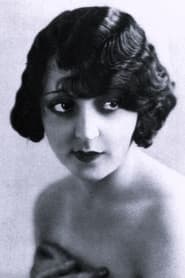
Alma Bennett
Actor
Born: April 9, 1904 in Seattle, Washington, USA Died: September 16, 1958 Active: 1925-1928
Films
6 films
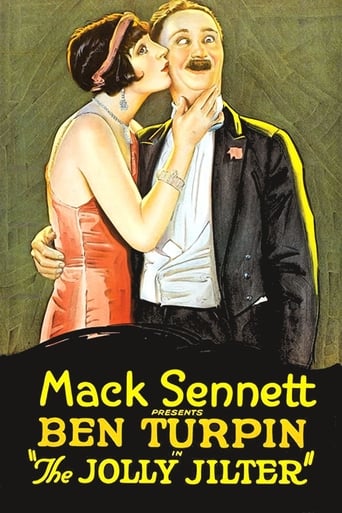
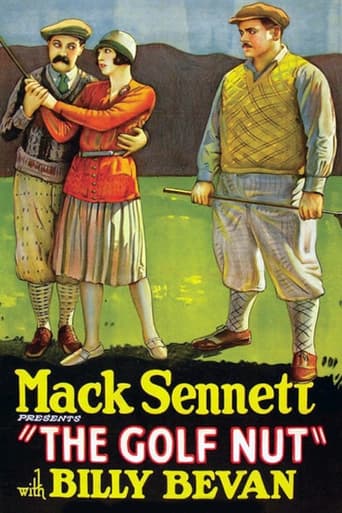
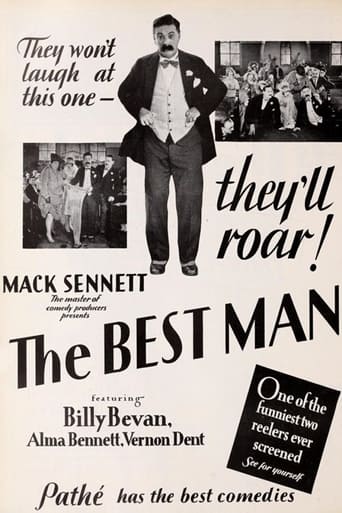
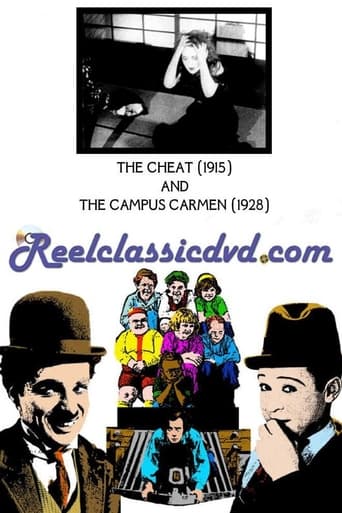
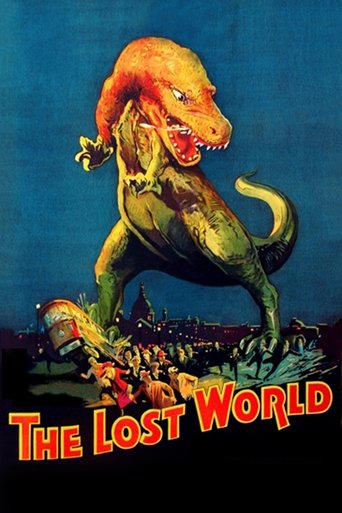
About Alma Bennett
Prominent American actress of the silent film era, best remembered for her striking beauty and versatile supporting roles in some of the most significant films of the 1920s. Born in Seattle, Washington, she began her film career in the mid-1920s and quickly established herself as a reliable character actress, often playing the romantic interest or female lead in comedies and dramas. Her breakthrough role came in 1925's adventure film 'The Lost World,' where she played Paula White alongside Wallace Beery, a film that revolutionized special effects in cinema. Bennett frequently collaborated with comedy star Harry Langdon, appearing in several of his films including 'Long Pants' (1927) and 'The Golf Nut' (1927), showcasing her comedic timing and on-screen chemistry with the comic genius. She married director Harry O. Hoyt, who directed 'The Lost World,' forming both a personal and professional partnership. Bennett's career, while brief, spanned the crucial transition period from silent films to early talkies, though she primarily remained a silent film star. Her filmography, though not extensive, includes over 20 films between 1925 and 1928, after which she retired from acting as the sound era revolutionized Hollywood.
The Craft
On Screen
Alma Bennett was known for her naturalistic acting style that bridged the exaggerated gestures common in early silent films with the more subtle performances that would become standard in later cinema. She possessed a remarkable screen presence with her expressive eyes and graceful movements, allowing her to convey complex emotions without dialogue. In comedy films, particularly with Harry Langdon, she demonstrated excellent timing and the ability to play both straight woman and romantic interest with equal skill. Her dramatic performances, especially in 'The Lost World,' showcased her ability to handle adventure and suspense while maintaining her character's emotional authenticity.
Milestones
- Breakthrough role in 'The Lost World' (1925)
- Frequent collaboration with Harry Langdon in comedy films
- Marriage to director Harry O. Hoyt
- Transition from supporting roles to leading lady status
- Appeared in over 20 films during her brief career
Best Known For
Iconic Roles
Must-See Films
Accolades
Special Recognition
- Recognized as a significant contributor to silent film comedy
- Noted for her role in special effects cinema
Working Relationships
Worked Often With
Studios
Why They Matter
Impact on Culture
Alma Bennett contributed significantly to the development of the female supporting role in silent comedy, helping establish the template for the romantic interest who could also participate in comedic situations. Her work in 'The Lost World' placed her at the forefront of early special effects cinema, a film that would influence generations of adventure and science fiction movies. As part of Harry Langdon's comedy team, she helped shape one of the distinctive comedy styles of the 1920s, contrasting with the more physical comedy of Chaplin or Keaton. Bennett represented the transition of women's roles in cinema from purely decorative to more active participants in the narrative, especially in adventure and comedy genres.
Lasting Legacy
Alma Bennett's legacy lies in her contributions to some of the most innovative films of the silent era, particularly her role in the groundbreaking 'The Lost World,' which remains a landmark in special effects history. Though her career was brief, her performances in Harry Langdon comedies have been preserved and studied by film historians interested in the development of silent film comedy. Bennett represents the countless talented actors of the silent era who, while not achieving the lasting fame of stars like Chaplin or Keaton, made significant contributions to cinema's artistic development. Her work continues to be appreciated by silent film enthusiasts and serves as an important example of the acting style and technical achievements of 1920s Hollywood.
Who They Inspired
Bennett influenced the development of the female supporting role in comedy, showing how actresses could balance romantic appeal with comedic participation. Her naturalistic style helped pave the way for more subtle acting techniques that would become standard in the sound era. Through her work in adventure films, she demonstrated that actresses could be active participants in action sequences, not merely damsels in distress. Her collaborations with Harry Langdon contributed to the development of a more gentle, character-driven style of comedy that influenced later comedians.
Off Screen
Alma Bennett married director Harry O. Hoyt, who directed her in 'The Lost World,' creating both a personal and professional partnership in Hollywood. Their marriage connected her to. After retiring from acting in 1928, she largely disappeared from public life, focusing on her marriage and personal interests. Bennett's life after Hollywood remained relatively private, and she passed away in 1958 at the age of 54, leaving behind a legacy of memorable performances from the golden age of silent cinema.
Education
Limited information available about her formal education, though she likely received training in dramatic arts to prepare for her acting career
Family
- Harry O. Hoyt (1925-1958, until her death)
Did You Know?
- Her most famous film 'The Lost World' featured groundbreaking stop-motion animation by Willis O'Brien, who later created the effects for 'King Kong' (1933)
- She was often typecast as the 'girl next door' due to her wholesome appearance and natural acting style
- Bennett appeared in several films directed by her husband Harry O. Hoyt, making them one of the early Hollywood power couples
- Despite her success in the 1920s, she never made a successful transition to sound films, retiring before the talkie revolution fully took hold
- Her filmography includes several lost films, a common fate for many silent movies
- She worked with comedy legend Harry Langdon during his peak popularity period
- Bennett's role in 'The Lost World' required her to interact with miniature models and special effects, challenging for actors of that era
- She was part of the transition from long-form feature films to the shorter comedy format that became popular in the late 1920s
In Their Own Words
No widely documented quotes from Alma Bennett survive, as was common for supporting actors of the silent era who rarely gave interviews
Frequently Asked Questions
Who was Alma Bennett?
American actress of the silent film era, active primarily from 1925 to 1928, best known for her role in the groundbreaking adventure film 'The Lost World' (1925) and her frequent collaborations with comedy star Harry Langdon. She was recognized for her natural acting style and beauty, appearing in over 20 films during her brief but notable career.
What films is Alma Bennett best known for?
Titles linked here include The Lost World (1925), Long Pants (1927).
When was Alma Bennett born and when did she die?
Born April 9, 1904; died September 16, 1958.
What awards did Alma Bennett win?
During the silent era when Alma Bennett was active, the Academy Awards had not yet been established (the first Oscars were awarded in 1929, after her retirement). Like many supporting actors of her time, she did not receive formal awards but was recognized by audiences and critics for her contributions to significant films of the 1920s.
What was Alma Bennett's acting style?
Bennett was known for her naturalistic acting style that was more subtle than typical silent film performances, using expressive eyes and graceful movements to convey emotion. She excelled at balancing romantic appeal with comedic timing, particularly in her collaborations with Harry Langdon, and could handle both dramatic and adventure scenarios with equal skill.
Did Alma Bennett transition to talkies?
No, Alma Bennett retired from acting in 1928, just as the sound revolution was beginning to transform Hollywood. Like many silent film actors, particularly those in supporting roles, she chose not to attempt the difficult transition to sound films, leaving her legacy entirely within the silent era.
Was Alma Bennett married?
Yes, Alma Bennett married director Harry O. Hoyt, who directed her in 'The Lost World.' Their marriage lasted from 1925 until her death in 1958, creating both a personal and professional partnership that connected her to one of the innovative filmmakers of the silent era.