

No Poster
Smith's Uncle
"Here it's Andy Clyde in a long beard as Raymond McKee's rich uncle Dan"
Keys: Space play/pause · ←/→ 10s · F fullscreen · M mute · </> speed
About this film
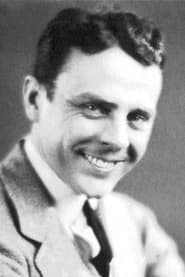
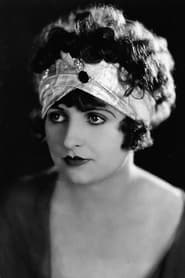
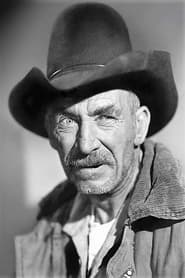
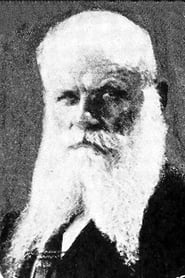
Here it's Andy Clyde in a long beard as Raymond McKee's rich uncle Dan. He quickly becomes entangled with Carmelita Geraghty, the vamp next door, and her conniving brother Bud Jamison.
Cast & crew
More films like this
More Comedy films
View all →







More from Gilbert Pratt
View all →
More about this film
About the production
Release dateJune 27, 1926
ProductionMack Sennett Comedies
Filmed inLos Angeles, California
This film was part of the popular 'Smith Family' comedy series produced by Mack Sennett. The production utilized typical Sennett-style rapid pacing and visual gags. Andy Clyde's elaborate makeup for the uncle character required several hours of application each day. The film was shot on the Sennett studio lot in Edendale, Los Angeles, with some exterior shots likely filmed on location in nearby neighborhoods.
Themes
Family protectionWealth and greedDeception and manipulationUrban vs. rural valuesGenerational conflict
Themes & topics
unclewealthvampconspiracyfamilydisguiseneighborschemecomedysilent filmshort filmdomestic comedyslapstickromancedeception
Historical background
Released in 1926 during the late silent period, Smith's Uncle reached audiences when exhibitors were still defining programming conventions. The narrative hook—Here it's Andy Clyde in a long beard as Raymond McKee's rich uncle Dan—reflects what contemporary producers thought would draw viewers.
Why this film matters
Smith's Uncle remains discussed by archivists tracing how screen stories of its period represented work, desire, conflict, and social order. Its central situation—Here it's Andy Clyde in a long beard as Raymond McKee's rich uncle Dan—still prompts questions about genre conventions and audience expectations.
Making of
The production of 'Smith's Uncle' followed the efficient assembly-line approach typical of Mack Sennett's studio. Gilbert Pratt, as director, would have overseen multiple short films simultaneously. Andy Clyde's transformation into the elderly uncle character involved extensive makeup techniques of the era, including spirit gum for the beard and aging makeup. The slapstick sequences were likely choreographed through rehearsal and improvisation, a Sennett hallmark. The film was probably shot in just a few days, with the cast and crew working quickly to meet the demanding production schedule of comedy short films. The vamp character's seductive scenes would have been carefully choreographed to pass the censorship standards of the period while still suggesting danger and allure.
What critics said
Trade and newspaper notices for Smith's Uncle generally emphasized casting, spectacle, and program fit rather than extended aesthetic argument. Retrospective screenings and archival notes continue to shape how viewers evaluate Smith's Uncle today.
Did you know?
- This was one of the final films in the 'Smith Family' comedy series before the transition to sound
- Andy Clyde, who played the uncle, would later become famous for his role as 'California' in the Columbia Pictures 'Three Stooges' shorts
- Director Gilbert Pratt was a former actor who worked frequently with Harold Lloyd before becoming a director
- The film was released as a two-reel comedy, standard for short comedies of the era
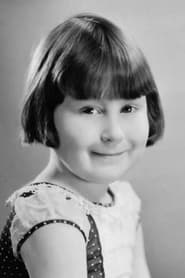
- Mary Ann Jackson, who appears in the film, would later become famous as one of the 'Our Gang' kids
- The vamp character played by Carmelita Geraghty was a common archetype in silent comedies, representing the dangerous modern woman
- Bud Jamison was a prolific character actor who appeared in over 400 films during his career
- The film's title 'Smith's Uncle' follows the naming convention of the Smith Family series, which typically focused on domestic situations
- This was produced during Mack Sennett's later period when his studio was facing financial difficulties
- The film was likely accompanied by a musical score performed live in theaters, as was standard for silent films
Visual style
The cinematography of 'Smith's Uncle' would have employed standard techniques for silent comedy production of the mid-1920s. The camera work likely featured static shots with occasional pans to follow action sequences. The lighting would have been bright and even, typical of comedy films to ensure clear visibility of gags and expressions. The film was probably shot in black and white on 35mm film using the standard aspect ratio of the era. Visual comedy would have been enhanced through careful framing of physical gags and reaction shots. The cinematographer would have worked closely with the director to ensure that slapstick sequences were clearly visible and that the actors' facial expressions, crucial for silent storytelling, were well-lit and properly composed.
Innovations
As a standard two-reel comedy of 1926, 'Smith's Uncle' did not feature major technical innovations but employed the established techniques of the era. The film utilized the standard 35mm film format with a projection speed of approximately 24 frames per second. The makeup effects for Andy Clyde's elderly character demonstrated the sophisticated application techniques developed during the silent era. The film's editing likely employed continuity cutting to maintain narrative clarity, with some potential use of cross-cutting during chase sequences. The production would have benefited from the improved film stock of the mid-1920s, which offered better image quality and reduced grain compared to earlier films. The film represents the refinement of silent comedy techniques rather than technological innovation, showcasing the polished craftsmanship of established studios like Mack Sennett's.
Music
As a silent film, 'Smith's Uncle' would have been accompanied by live musical performances in theaters. The score would likely have been compiled from standard photoplay music libraries, with selections chosen to match the mood of each scene. Comedy sequences would have been accompanied by upbeat, playful music, while scenes involving the vamp character might have featured more seductive or mysterious themes. The musical accompaniment could have ranged from a single piano player in smaller theaters to a small orchestra in larger venues. Some theaters might have used specific cue sheets provided by the studio, while others would have relied on the musical director's discretion. The soundtrack would have played a crucial role in enhancing the emotional impact and comedic timing of the visual narrative.
Famous quotes
(Silent films had no spoken dialogue, but intertitles would have conveyed key plot points and character reactions)
Memorable scenes
- The transformation scene where Andy Clyde applies his elaborate disguise as the elderly uncle, likely involving comedic mishaps with the fake beard and aging makeup. The seduction attempts by Carmelita Geraghty's vamp character as she tries to charm the wealthy uncle, probably featuring suggestive but period-appropriate gestures and expressions. The final chase sequence where Raymond McKee and Ruth Hiatt pursue the con artists through neighborhood settings, utilizing classic silent comedy physical gags and near-misses.
What audiences thought
Contemporary audiences in 1926 would have viewed 'Smith's Uncle' as part of a program of short films preceding the main feature. The film likely provided light entertainment and laughter, with audiences enjoying the familiar characters and predictable but satisfying comedic situations. The domestic themes and family-oriented humor would have appealed to the broad middle-class audience that frequented movie theaters during the 1920s. The film's release during the summer movie season suggests it was intended as light entertainment for audiences seeking relief from the heat. Modern audiences, when able to view the film, typically approach it as a historical artifact, appreciating its glimpse into 1920s comedy styles and social mores rather than for its contemporary entertainment value.
Film connections
Influenced by
- Mack Sennett's earlier comedy shorts
- Harold Lloyd's domestic comedies
- Charlie Chaplin's character-driven humor
- Buster Keaton's visual gags
- The 'Our Gang' series format
This film influenced
- Later Smith Family series entries
- Early sound comedy shorts
- Domestic sitcoms of the 1950s
- Family comedy films of the 1930s
Film restoration
The preservation status of 'Smith's Uncle' is uncertain, as many silent short films from this period have been lost. The film may exist in archives such as the Library of Congress, the Academy Film Archive, or the UCLA Film & Television Archive. Some Mack Sennett comedies have survived through 16mm reduction prints used for television distribution in the 1950s. The film may also exist in private collections or foreign archives. Without a confirmed preservation status, the film should be considered at risk of being lost, like approximately 75% of American silent films. Any surviving copies would likely require restoration due to the natural deterioration of nitrate film stock from the 1920s.
Where to watch
- The film is not currently available on major streaming platforms. Potential viewing options include: The Library of Congress's online catalog for possible access to preserved copies, The UCLA Film & Television Archive for research viewing, Silent film festivals or special screenings that might program rare Mack Sennett comedies, Archive.org or similar public domain sites if the film has entered the public domain, Specialized DVD collections of silent comedy shorts that might include this title