
The Chaser
"The judge."
Keys: Space play/pause · ←/→ 10s · F fullscreen · M mute · </> speed
About this film
A wife, tired of her husband's non-stop carousing, sues him for divorce. The judge, however, comes up with a novel solution--he makes the husband take his wife's place in the household--including dressing like her--for 30 days to see what it's like to be his wife.
Cast & crew
More films like this
More Comedy films
View all →







More from Harry Langdon
View all →
More about this film
About the production
Release dateSeptember 2, 1928
Box officeBox office records not well documented, but performed modestly during its theatrical run
ProductionHarry Langdon Productions, First National Pictures
Filmed inHollywood, California, Mack Sennett Studios (possible location)
This film was produced during Harry Langdon's brief period as an independent filmmaker after his highly publicized split from director Frank Capra. The production faced challenges typical of the late silent era, including the industry's rapid transition to sound technology. Langdon, who had previously primarily been an actor, took on directing duties for this project, showcasing his creative control over his own material. The film was shot quickly to capitalize on Langdon's remaining star power before the complete transition to talkies.
Themes
Gender roles and stereotypesMarital relationshipsEmpathy and understandingRole reversalDomestic life
Themes & topics
divorcegender disguisehousehold choresjudgemarriagerevengerole reversalsilent comedyphysical comedydomestic comedy
Historical background
The 1928 release of The Chaser belongs to its era's exhibition habits rather than today's franchise model.
Why this film matters
Historians treat The Chaser as evidence of what typical 1928 audiences could see in a program slot.
Making of
The production of 'The Chaser' occurred during a tumultuous period in Harry Langdon's career. After his massive success in the mid-1920s, Langdon had famously split with director Frank Capra, who had been instrumental in shaping his screen persona. This film represented Langdon's attempt to prove he could succeed as both actor and director. The set was reportedly tense, as Langdon struggled with the dual responsibilities of performing and directing. Contemporary accounts suggest that Langdon was a perfectionist who demanded multiple takes of scenes, frustrating the crew but ultimately achieving the comedic timing he desired. The gender-reversal gags required extensive rehearsal, particularly the scenes involving domestic tasks that Langdon's character had never performed. The film was rushed into release to capitalize on Langdon's name recognition before the silent era completely ended.
What critics said
Press files from 1928 mention The Chaser in roundup columns of what played that week.
Did you know?
- This was one of Harry Langdon's final silent films before the complete transition to sound pictures in Hollywood
- The gender-bending premise was a popular comedy trope in silent films, previously used by stars like Charlie Chaplin and Harold Lloyd
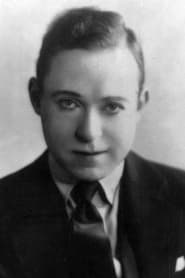
- Harry Langdon was not only the star but also the director and co-writer of this film, demonstrating his desire for creative control
- The film was released just months before the stock market crash of 1929, which would dramatically change the film industry
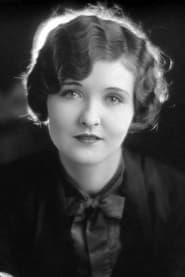
- Gladys McConnell, who played the wife, was a former Mack Sennett bathing beauty and had appeared in several of Langdon's earlier films
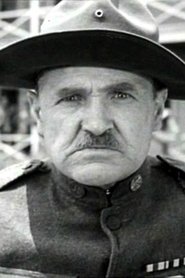
- The judge character was played by veteran character actor Arthur Thalasso, who appeared in over 200 films during his career
- This film is sometimes confused with other films titled 'The Chaser' from different eras, but it stands alone as Langdon's unique take on the marital comedy genre
- The costume design for Langdon's female attire was done to maximize comedic effect while maintaining some level of believability for the plot
- The film's original working title was 'The Husband's Lesson' before being changed to 'The Chaser'
- This was one of the last films produced under Langdon's independent production deal before he returned to working for major studios
Visual style
The cinematography in 'The Chaser' was handled by veteran silent era cameraman William F. 'Billy' Brehm, who brought his extensive experience to the project. The visual style employs typical late-silent era techniques with careful lighting to highlight the comedic moments, particularly during the scenes where Langdon appears in women's clothing. The camera work is straightforward and functional, focusing on clear presentation of the physical comedy rather than artistic experimentation. Notable are the medium shots that capture Langdon's full-body comedy, allowing audiences to appreciate the visual humor of his awkward movements in female attire. The film uses some creative camera angles during the domestic sequences, employing low angles to emphasize Langdon's incompetence with household tasks. The intertitles are well-integrated with the visual comedy, appearing at strategic moments to enhance rather than interrupt the flow of action.
Innovations
While 'The Chaser' doesn't represent any major technical innovations in cinema, it does demonstrate the refined techniques of late-silent era filmmaking. The film makes effective use of double exposure techniques for some of the more fantastical comedy sequences, though these are used sparingly. The costume design for Langdon's female attire required careful consideration of how the fabrics and styles would read on black and white film stock, with the designers choosing materials that would create maximum visual contrast. The editing, supervised by veteran cutter William Hornbeck, maintains excellent comedic timing throughout, particularly in the sequences involving Langdon's struggles with domestic tasks. The film's preservation on nitrate stock presented challenges for later restoration efforts, as was common with films from this period.
Music
As a silent film, 'The Chaser' would have been accompanied by live musical performance during its original theatrical run. The typical presentation would have featured a theater organist or small orchestra providing musical accompaniment synchronized with the on-screen action. The score would have included popular songs of 1928, classical pieces, and original compositions designed to enhance the comedy. For the domestic scenes, lighter, more whimsical music would have been used, while the carousing sequences might have featured jazzier, more energetic pieces. No original score was recorded for the film, as was standard practice before the sound era. Modern screenings of the film typically feature newly composed scores or compilations of period-appropriate music to recreate the authentic silent movie experience.
Famous quotes
Judge: 'I'm not granting this divorce. Instead, I'm sentencing you to thirty days as your wife!' - (intertitle)
Harry Langdon's character: 'But... but I'm a man!' - (intertitle response to judge's sentence)
Wife: 'Now you'll know what it's like to wait up until all hours!' - (intertitle)
Memorable scenes
- The courtroom scene where the judge delivers his unconventional sentence, with Langdon's shocked reaction captured in classic silent comedy style
- The montage sequence showing Langdon's disastrous attempts at cooking, cleaning, and managing the household while in women's clothing
- The climactic scene where Langdon's character finally succeeds at a domestic task, only to have his wife return home unexpectedly
- The opening sequence establishing Langdon's character as a neglectful husband, contrasted with his wife's lonely domestic life
What audiences thought
Audience reception to 'The Chaser' in 1928 was generally positive, though it didn't achieve the blockbuster success of Langdon's earlier films. Moviegoers who had followed Langdon's career appreciated seeing him in his familiar 'little man' persona, and the gender-bending gags generated reliable laughter. However, the growing excitement around sound pictures meant that many viewers were beginning to see silent films as old-fashioned. The film performed best in smaller cities and rural areas where the transition to sound was slower. In major urban centers with theaters already converted to sound, the film had more difficulty finding an audience. Despite these challenges, 'The Chaser' managed to turn a modest profit and confirmed that there was still a market for Langdon's particular brand of comedy, even as his star was beginning to wane in the new era of sound cinema.
Film connections
Influenced by
- Charlie Chaplin's gender-bending comedies
- Harold Lloyd's domestic comedies
- Traditional stage farce
- Vaudeville comedy routines
- Earlier silent film gender-reversal shorts
This film influenced
- Some Like It Hot (1959)
- Tootsie (1982)
- Mrs. Doubtfire (1993)
- The Jerk (1979)
Film restoration
The preservation status of 'The Chaser' is somewhat precarious but not lost. Like many silent films, it survives in incomplete form, with some scenes possibly missing or damaged. The film exists in archives at the Library of Congress and the Museum of Modern Art, though the available prints show signs of nitrate decomposition common to films of this era. No complete restoration has been undertaken, likely due to the film's relative obscurity compared to Langdon's more famous works. Some sequences exist only in truncated form, and the original tinting that would have been present in 1928 release prints is largely lost. Despite these issues, the film remains viewable and occasionally screened at silent film festivals and specialty theaters.
Where to watch
- Occasionally screened at silent film festivals
- Available through some specialty film archives
- May be found in private collector circuits
- Not currently available on major streaming platforms
- Some film societies and museums occasionally screen restored 16mm versions