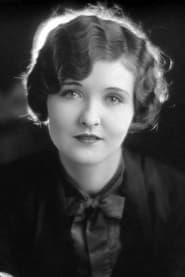
Gladys McConnell
Actor
Born: October 22, 1905 in Oklahoma City, Oklahoma, USA Died: March 4, 1979 Active: 1925-1929
Films
3 films
About Gladys McConnell
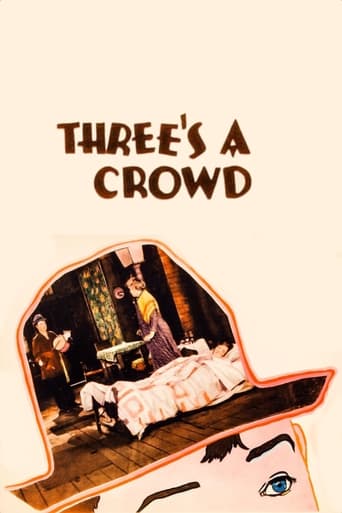
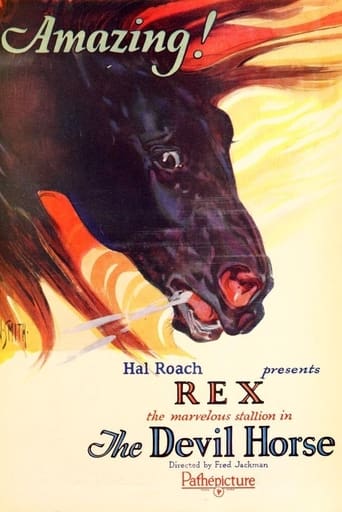
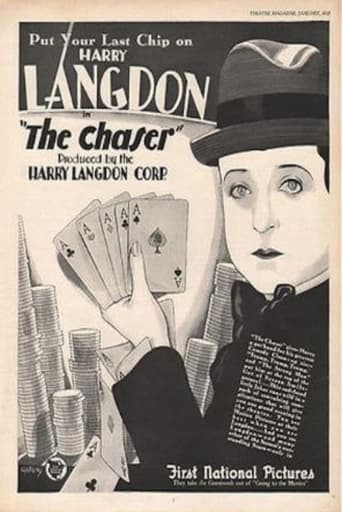
American actress who rose to prominence during the silent film era of the 1920s — known for her work in Western and comedy films. Born in Oklahoma City, Oklahoma, she began her film career in the mid-1920s after being discovered by talent scouts while working as a model. McConnell quickly established herself as a reliable supporting actress and occasional leading lady, appearing in numerous short films and features for various studios. Her most notable roles came in 1926 with 'Rex the Devil Horse,' where she played opposite the famous horse actor Rex, and in 1927's 'Three's a Crowd' and 1928's 'The Chaser,' both comedy features that showcased her versatility. Like many silent film actors, McConnell's career declined with the advent of sound films in the late 1920s, and she made her final screen appearances around 1928-1929. After retiring from acting, she largely disappeared from public life, leaving behind a modest but memorable filmography that captures the essence of late silent era cinema.
The Craft
On Screen
McConnell embodied the expressive, physical style of silent film acting, using exaggerated gestures and facial expressions to convey emotion effectively without dialogue. She had a natural screen presence that worked particularly well in comedy roles, where her timing and physical comedy skills shone. In her Western roles, she displayed a wholesome, girl-next-door quality that resonated with audiences of the era.
Milestones
- Film debut in 1925 with Universal Pictures
- Starred in 'Rex the Devil Horse' (1926) which became her most famous role
- Appeared in successful comedy 'Three's a Crowd' (1927)
- Featured in the comedy 'The Chaser' (1928)
- Transitioned briefly to early sound films before retiring
Best Known For
Iconic Roles
Must-See Films
Working Relationships
Worked Often With
Studios
Why They Matter
Impact on Culture
Gladys McConnell represents the typical journey of many silent era actresses who found brief success during Hollywood's transitional period. Her work in Western films contributed to the genre's popularity during the 1920s, particularly in films featuring animal stars like Rex the Devil Horse. While not a major star, her performances helped define the supporting actress role in silent comedy and Western films, providing audiences with relatable characters that balanced the more dramatic leads.
Lasting Legacy
McConnell's legacy lies primarily in her contribution to silent film preservation, with her surviving films serving as valuable examples of late 1920s cinema. Her work in 'Rex the Devil Horse' remains her most enduring contribution, as the film is studied by film historians interested in animal stars of the silent era. Though she never achieved lasting fame, her career exemplifies the opportunities available to actresses during Hollywood's silent period and the challenges many faced with the transition to sound.
Who They Inspired
As a supporting actress rather than a major star, McConnell's direct influence on other performers was limited. However, her work in comedy shorts helped establish patterns for physical comedy that would be emulated by later actresses in similar roles. Her ability to transition between Western and comedy genres demonstrated the versatility required of character actresses during the studio era.
Off Screen
Gladys McConnell led a relatively private life outside of her film career. After retiring from acting in the late 1920s, she married and focused on her family life. She largely avoided the spotlight in her later years, preferring to live away from Hollywood. Details about her personal life remain scarce, as she did not grant interviews or participate in film retrospectives during her lifetime.
Education
Limited information available about her formal education, but she likely completed high school in Oklahoma before pursuing her film career.
Family
- Arthur H. Smith (1930-1979, her death)
Did You Know?
- Was discovered by talent scouts while working as a department store model in Los Angeles
- Her most famous role was opposite Rex, one of the first animal movie stars
- Appeared in over 20 films during her brief 4-year career
- Like many silent actors, she struggled to adapt to sound films
- Was known for her athletic abilities, which helped her perform her own stunts
- Her height of 5
- was considered tall for actresses of her era',
- Retired from films before turning 25 years old
- Her films were often shot on location in California's desert regions for Westerns
- Was part of Universal's roster of contract players in the mid-1920s
- Her final film appearances were in early sound shorts in 1929
In Their Own Words
On working with Rex the horse: 'He was more professional than many human co-stars I worked with'
Frequently Asked Questions
Who was Gladys McConnell?
American actress active during the silent film era of the 1920s, best known for her roles in Western films and comedies, particularly 'Rex the Devil Horse' (1926). She appeared in over 20 films during her brief but notable career before retiring with the advent of sound films.
What films is Gladys McConnell best known for?
Titles linked here include Rex the Devil Horse (1926), Three's a Crowd (1927).
When was Gladys McConnell born and when did she die?
Born October 22, 1905; died March 4, 1979.
What awards did Gladys McConnell win?
Gladys McConnell did not receive any major awards or nominations during her film career, which was common for supporting actors during the silent era. Her recognition came primarily from audience appreciation rather than formal industry accolades.
What was Gladys McConnell's acting style?
McConnell employed the expressive, physical acting style typical of silent film performers, using exaggerated gestures and facial expressions to convey emotion. She excelled in both comedy and Western genres, displaying natural screen presence and timing that resonated with 1920s audiences.