Frank Brownlee
Actor
Born: June 11, 1874 in Dallas, Texas, USA Died: February 10, 1948 Active: 1916-1928
Films
9 films

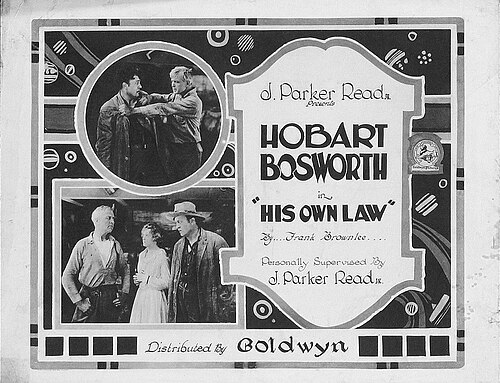
About Frank Brownlee
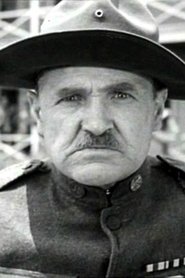
Frank Brownlee was cast in over 200 films between 1916 and 1928. He specialized in playing authority figures, villains, and comic relief characters in both dramatic and comedic productions, showcasing remarkable versatility throughout his career. Brownlee became a frequent collaborator with comedy legends Harold Lloyd and Laurel and Hardy, appearing in several of their most celebrated silent films. His distinctive appearance, often featuring a prominent mustache, made him easily recognizable to audiences of the era. Brownlee worked extensively with Hal Roach Studios and various other major production companies, transitioning successfully from short films to feature-length productions. Like many silent era character actors, his career concluded with the advent of sound films, after which he retired from the entertainment industry. He spent his remaining years away from the public eye, leaving behind a substantial body of work that continues to be appreciated by silent film enthusiasts.
The Craft
On Screen
Frank Brownlee was known for his versatility as a character actor, able to seamlessly transition between dramatic and comedic roles with equal effectiveness. He employed the expressive physical acting style typical of silent era performers, using exaggerated facial expressions and body language to convey emotion and character. Brownlee had excellent comedic timing and could deliver both physical humor and subtle character moments effectively. His distinctive appearance, particularly his mustache, made him instantly recognizable to audiences. He specialized in playing authority figures such as sheriffs, judges, and businessmen, bringing a commanding presence to these roles while maintaining the flexibility to adapt to various genres from westerns to slapstick comedies.
Milestones
- Appeared in over 200 films during his 12-year career
- Frequent collaborator with Harold Lloyd in multiple comedy classics
- Worked extensively with Laurel and Hardy in their early films
- Long-term association with Hal Roach Studios
- Successfully transitioned from one-reel shorts to feature films
- Established himself as a reliable authority figure character actor
Best Known For
Iconic Roles
Must-See Films
Working Relationships
Worked Often With
Studios
Why They Matter
Impact on Culture
Frank Brownlee contributed significantly to the golden age of silent cinema through his extensive work with comedy pioneers Harold Lloyd and Laurel and Hardy. His performances helped establish the ensemble dynamics that defined silent comedy, providing crucial support to the stars while maintaining his own distinctive character presence. Brownlee's ability to play both dramatic authority figures and comedic antagonists made him an invaluable asset to directors during the studio system era. His work exemplifies the importance of character actors in creating rich, believable film worlds, even when not playing the central roles. Brownlee represents the journeyman actor who, while never achieving stardom status, made essential contributions to hundreds of productions that entertained millions of moviegoers during the silent era.
Lasting Legacy
Frank Brownlee's lasting legacy lies in his substantial body of work that survives as part of silent cinema history, particularly his appearances in classic comedies that continue to be discovered by new generations of film enthusiasts. His performances alongside comedy legends like Harold Lloyd and Laurel and Hardy ensure that his work remains accessible and appreciated. Brownlee exemplifies the type of reliable, versatile character actor who was essential to the success of silent era productions, demonstrating how supporting performances could elevate films beyond their starring roles. His career trajectory also illustrates the challenges faced by many silent era actors when the industry transitioned to sound, serving as a reminder of the technological and artistic shifts that shaped Hollywood history.
Who They Inspired
As a character actor, Frank Brownlee's influence was primarily through his collaborative work with major comedy stars, helping to establish the ensemble dynamics and character archetypes that would define silent comedy. His professional approach and versatility set an example for other supporting actors in the industry, demonstrating how to effectively serve the story while maintaining memorable character presence. While he didn't directly mentor specific actors who went on to fame, his performances in popular films influenced the development of supporting character types in comedy, particularly the authority figure antagonist. Brownlee's work contributed to the visual language of silent film comedy, influencing how character actors would approach similar roles in subsequent decades.
Off Screen
Frank Brownlee was married to fellow silent film actress Myrtle Stedman, with whom he occasionally appeared on screen. The couple maintained a stable marriage throughout Brownlee's film career and beyond, until his death in 1948. Brownlee was known in Hollywood circles as a reliable and professional actor who consistently delivered solid performances, which contributed to his prolific career. Unlike many of his contemporaries, he avoided the scandals and controversies that plagued Hollywood during the silent era. After retiring from films following the transition to sound, Brownlee lived a relatively quiet life away from the entertainment industry, maintaining his privacy in his later years.
Family
- Myrtle Stedman (married until his death in 1948)
Did You Know?
- Appeared in over 200 films in just 12 years, averaging nearly 20 films per year
- Frequently worked with both Harold Lloyd and Laurel and Hardy, two of the biggest comedy stars of the silent era
- Married to fellow silent film actress Myrtle Stedman, with whom he occasionally co-starred
- Often played characters with mustaches, which became his trademark look and made him easily recognizable
- Successfully made the transition from one-reel shorts to feature films as the industry evolved
- His career ended with the coming of sound, like many silent era character actors who couldn't adapt to the new medium
- Sometimes credited as Frank Brownly in his earliest film appearances
- Frequently played authority figures such as sheriffs, judges, and businessmen throughout his career
- Worked extensively with Hal Roach Studios,
- Many of his films are now considered lost, as was common with silent era productions due to the unstable nature of early film stock
Frequently Asked Questions
Who was Frank Brownlee?
Screen credits include over 200 films between 1916 and 1928. He worked frequently with comedy legends like Harold Lloyd and Laurel and Hardy, specializing in authority figures and comic relief roles.
What films is Frank Brownlee best known for?
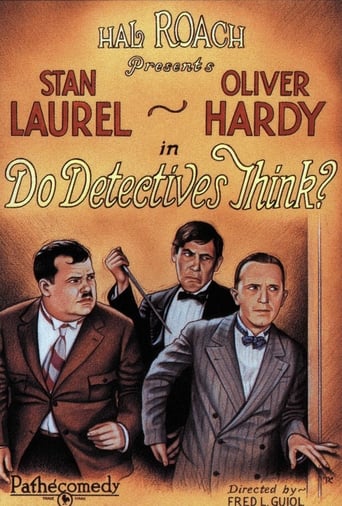
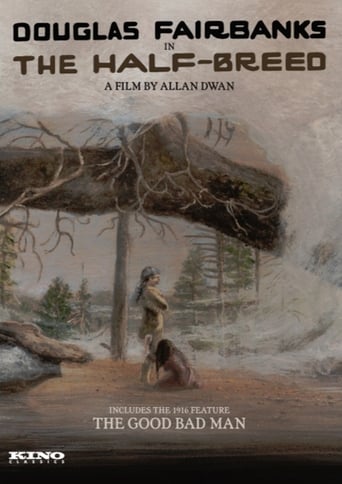
Titles linked here include Do Detectives Think? (1927), The Half-Breed (1916).
When was Frank Brownlee born and when did he die?
Born June 11, 1874; died February 10, 1948.
What awards did Frank Brownlee win?
Frank Brownlee did not receive major awards during his career, which was common for character actors of the silent era who often worked without formal recognition despite their significant contributions to films.
What was Frank Brownlee's acting style?
Brownlee was known for his versatility as a character actor, specializing in authority figures and comic relief roles. He employed the expressive physical acting style typical of silent film performers, using exaggerated facial expressions and body language to convey emotion and character effectively.
How many films did Frank Brownlee appear in?
Frank Brownlee appeared in over 200 films during his 12-year career from 1916 to 1928, making him.
Did Frank Brownlee transition to talkies?
No, Brownlee's film career ended with the transition to sound films in the late 1920s. Like many silent era character actors, he retired from the industry as Hollywood adapted to the new technology of synchronized sound.