The Half-Breed
"Outcast of two worlds"
Keys: Space play/pause · ←/→ 10s · F fullscreen · M mute · </> speed
About this film
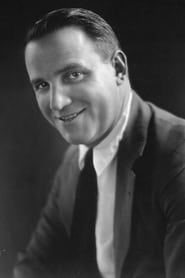
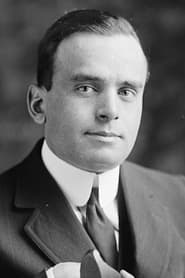
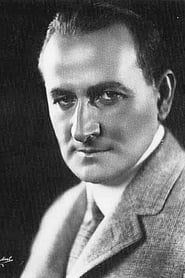
Douglas Fairbanks plays ostracized Lo Dorman in Anita Loos's Allan Dwan western melodrama. In an attempt to brand himself as a serious actor, the smiling swashbuckler Douglas Fairbanks starred in THE HALF-BREED (1916), a Western melodrama written by Anita Loos and directed with flair by Allan Dwan.
Cast & crew
More Western films
View all →

More from Allan Dwan
View all →


More about this film
About the production
Release dateOctober 15, 1916
Box officeSuccessful - performed well commercially, contributing to Fairbanks's growing stardom
ProductionFine Arts Film Company, Triangle Film Corporation
Filmed inCalifornia studios and locations, Possible filming in the San Bernardino Mountains for outdoor scenes
This was one of Fairbanks's earliest serious dramatic roles, marking his transition from purely comedic parts. The film was part of Triangle's prestigious Fine Arts lineup, which aimed to produce more artistic and socially conscious cinema. Anita Loos's screenplay tackled sensitive racial themes uncommon for the period. The production faced challenges in depicting mixed-race identity respectfully while still appealing to 1916 audiences. Director Allan Dwan utilized natural California landscapes to enhance the Western setting and emotional isolation of the protagonist.
Themes
Racial identity and prejudiceSocial ostracism and acceptanceLove triangles and romantic conflictThe conflict between civilization and naturePersonal identity and self-acceptance
Themes & topics
mixed raceprejudiceWesternlove triangleNative Americanidentity crisissocial outcastsherifffrontier justiceromancedramasilent film
Historical background
1916 placed The Half-Breed within United States cinema as Fine Arts Film Company navigated wartime markets, immigration audiences, and the shift from intertitles to sound.
Why this film matters
Archivists revisit The Half-Breed (1916) for Allan Dwan style, genre norms at Fine Arts Film Company, and the exhibition context of 50 minutes (5 reels) programming.
Making of
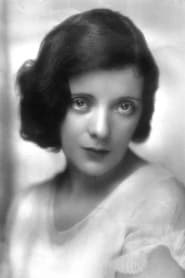
The production of 'The Half-Breed' represented a significant moment in Douglas Fairbanks's career development. Previously known primarily for his energetic comedic performances and athletic stunts, Fairbanks was actively seeking to expand his range and establish himself as a serious dramatic actor capable of handling complex emotional material. The collaboration with Anita Loos was particularly significant, as she was one of the few female screenwriters with substantial creative authority in Hollywood during this period. Director Allan Dwan, known for his efficiency and visual flair, worked closely with Fairbanks to develop a more nuanced performance style that balanced the actor's natural charisma with the dramatic requirements of the role. The film's exploration of racial identity and prejudice was handled with relative sensitivity for the era, though it inevitably contained some period limitations in its approach. The production utilized authentic Western locations in California, with Dwan taking advantage of natural landscapes to enhance the story's emotional isolation and the protagonist's connection to his Native American heritage. The chemistry between Fairbanks and his co-stars, particularly Alma Rubens, was carefully developed through multiple takes and rehearsal sessions unusual for the rapid production schedules of the silent era.
What critics said
Retrospective writing on The Half-Breed stresses craft by Allan Dwan, print survival, and repertory value rather than opening-week gross alone.
Did you know?
- This was one of Douglas Fairbanks's first attempts to break away from his comedic persona and establish himself as a serious dramatic actor
- The screenplay was written by Anita Loos, who would later become famous for writing 'Gentlemen Prefer Blondes'
- The film was produced by the Triangle Film Corporation, which was founded by D.W. Griffith, Charlie Chaplin, and Mary Pickford
- Sam De Grasse, who plays the villainous sheriff, would later become a frequent collaborator with Fairbanks, appearing in several of his swashbuckling adventures
- The film's treatment of racial prejudice was unusually progressive for its time, though it still reflected many period stereotypes
- Director Allan Dwan would go on to direct over 400 films in his career, spanning from the silent era through the 1950s
- The film was released just as Fairbanks was beginning to establish himself as one of Hollywood's biggest stars
- Triangle's Fine Arts division, which produced this film, was specifically created to make more artistic and prestigious pictures
- The movie was one of several Fairbanks films that attempted to address social issues while maintaining entertainment value
- Preservation efforts have been complicated by the film's age and the typical deterioration of nitrate film stock from this period
Visual style
The cinematography of 'The Half-Breed,' while typical of the 1916 period, displays the growing sophistication of visual storytelling in early feature films. Director Allan Dwan and his cinematographers utilized natural California landscapes to enhance the Western setting and emphasize the protagonist's isolation and connection to nature. The film employs a range of camera techniques that were becoming standard in this era, including varying shot sizes to establish location, medium shots for dialogue scenes, and close-ups to highlight emotional moments. The use of natural lighting, particularly in outdoor scenes, creates a sense of authenticity and helps establish the film's mood. The visual composition often contrasts the natural environment with the artificial constraints of society, reinforcing the film's themes of prejudice and identity. While the camera movement is relatively static by modern standards, the film demonstrates effective use of framing and composition to tell the story visually. The cinematography supports the narrative by creating visual metaphors for the protagonist's divided identity and the social barriers he faces.
Innovations
While 'The Half-Breed' does not feature groundbreaking technical innovations, it demonstrates the growing sophistication of filmmaking techniques in 1916. The film makes effective use of location shooting, taking advantage of California's natural landscapes to create an authentic Western setting. The editing shows increasing complexity, with more sophisticated use of cross-cutting to build tension during dramatic sequences and parallel action scenes. The film's lighting techniques, particularly in interior scenes, show advancement in creating mood and atmosphere through artificial lighting. The makeup and costume design for Fairbanks's character represent an early attempt to visually represent mixed-race identity on screen, though inevitably limited by period understanding and techniques. The film's five-reel structure reflects the industry's move toward longer, more complex narratives that could sustain audience interest for nearly an hour. The production values, typical of Triangle's Fine Arts division, were higher than average for the period, with careful attention to set design and visual composition. The film demonstrates the growing understanding of film as a visual medium capable of conveying complex emotional and thematic content through cinematic techniques rather than relying solely on intertitles.
Music
As a silent film, 'The Half-Breed' would have been accompanied by live musical performance during its original theatrical run. The typical presentation would have included a piano accompanist in smaller theaters or a small orchestra in larger venues. The musical score would have been compiled from popular classical pieces, stock photoplay music, and possibly some original compositions specifically arranged for the film. The music would have been synchronized with the on-screen action and emotional content, with different themes representing the main characters and key dramatic moments. Romantic scenes between Lo and his love interests would have been accompanied by lush, melodic passages, while tense confrontations with the sheriff would have featured more dramatic, dissonant music. The film's Western setting would have been reflected in musical choices that evoked the American frontier, possibly incorporating folk-inspired melodies. Unfortunately, no specific information about the original musical accompaniment for 'The Half-Breed' has survived, as was common for films of this period. Modern screenings typically feature newly composed scores or carefully selected period-appropriate music that reflects the film's themes and emotional arc.
Famous quotes
As a silent film, 'The Half-Breed' featured intertitles rather than spoken dialogue. Key intertitles included: 'In the heart of the West, where prejudice runs deep, one man must choose between two worlds and two loves.'
'Born of two races, accepted by neither.'
'Love knows no color, but society does.'
'In the wilderness, a man is judged by his character, not his blood.'
Memorable scenes
- The opening sequence establishing Lo's isolation and connection to the natural world
- The dramatic confrontation between Lo and Sheriff Dunn where racial tensions explode
- The tender scene between Lo and Teresa as they find common ground as outcasts
- The climactic action sequence where Lo must rescue one of his love interests while facing his enemies
- The final resolution where Lo embraces his identity and claims his place in society
What audiences thought
Audiences in 1916 responded positively to 'The Half-Breed,' with the film performing well at the box office and helping to solidify Douglas Fairbanks's status as a major star capable of handling dramatic material. Viewers appreciated the combination of Fairbanks's trademark athleticism with the more serious emotional content, finding the story engaging and the performances compelling. The film's romantic elements and action sequences appealed to mainstream audiences, while its treatment of social themes added depth that many found thought-provoking. The chemistry between Fairbanks and his female co-stars, particularly Alma Rubens, was noted positively by moviegoers of the time. The film's success demonstrated that audiences were receptive to more complex narratives and socially conscious themes in popular entertainment, encouraging studios to continue producing films that addressed contemporary issues while maintaining entertainment value. Modern audiences who have had the opportunity to see preserved or restored versions of the film often appreciate its historical significance and Fairbanks's performance, while recognizing the period limitations in its approach to racial themes.
Film connections
Influenced by
- D.W. Griffith's 'The Birth of a Nation' (1915) - in its ambitious scope and treatment of American themes
- Contemporary Western literature and dime novels
- Progressive Era social reform movements
- Earlier Triangle productions that addressed social issues
- The growing trend toward feature-length dramatic films in the mid-1910s
This film influenced
- Later Fairbanks dramatic roles that balanced social themes with entertainment
- Subsequent Westerns that addressed racial and social issues
- Triangle Film Corporation's continued production of socially conscious films
- The development of the 'serious Western' as a subgenre
Film restoration
The preservation status of 'The Half-Breed' is uncertain but fragments are believed to exist in various film archives. Like many films from the 1910s, it suffered from the deterioration of nitrate film stock and the loss of complete copies over time. Some sources suggest that portions of the film may survive in archives such as the Library of Congress or the Museum of Modern Art's film collection, though a complete, restored version may not be available. The film's historical significance, particularly as an early Douglas Fairbanks dramatic role, has led to ongoing efforts by film preservationists to locate and restore any surviving elements. The fragmented nature of the film's survival reflects the broader challenges of preserving cinema from the silent era, when an estimated 75-90% of films have been lost.
Where to watch
- Due to its age and preservation status, 'The Half-Breed' is not widely available on modern streaming platforms or home video. Film archives and specialized silent film collections may hold viewing copies for research purposes. Occasionally, the film or fragments thereof may be screened at silent film festivals or special retrospectives of Douglas Fairbanks's work. Film historians and enthusiasts might be able to access the film through academic institutions or specialized film archives. Some fragments or clips may be available on educational websites or in documentary materials about early Hollywood or Douglas Fairbanks's career.