
Winifred Westover
Actor
Born: November 9, 1899 in San Francisco, California, USA Died: March 19, 1978 Active: 1912-1925 Birth Name: Winifred Catherine Westover
Films
4 films
About Winifred Westover
American actress who rose to prominence during the silent film era, primarily known for her work in Western films alongside her husband William S. Hart. Born in San Francisco in 1899, she began her film career in the early 1910s with Thomas H. Ince's studio, quickly establishing herself as a talented leading lady. Her most significant period was from 1914 to 1917 when she appeared in numerous Westerns, often playing the romantic interest to Hart's rugged cowboy characters. After marrying Hart in 1916, her career became closely tied to his productions, though she continued to work with other directors and studios. The couple's divorce in 1920 marked a turning point, and while she continued acting sporadically through the early 1920s, her film output decreased significantly. Her final screen appearances were in the mid-1920s before she retired from acting entirely. Westover spent her later years away from the spotlight, passing away in 1978 at the age of 78, leaving behind a legacy as one of the early leading ladies of American Western cinema.
The Craft
On Screen
Westover embodied the classic silent era acting style with expressive gestures and facial emotions that conveyed character depth without dialogue. She specialized in portraying virtuous, strong-willed female characters who could match the rugged masculinity of her Western co-stars. Her performances were characterized by a naturalistic approach for the period, avoiding the overly melodramatic style common in early silent films. Westover had a particular talent for conveying inner strength and moral conviction through subtle expressions and body language.
Milestones
- Breakthrough role in 'The Bargain' (1914) opposite William S. Hart
- Marriage to Western star William S. Hart in 1916
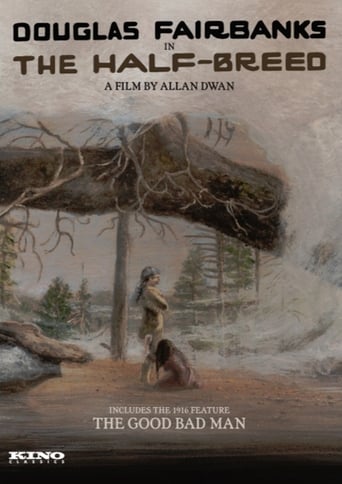
- Leading role in 'The Half-Breed' (1916)
- Starring in 'The Aryan' (1916) with Hart
- Performance in 'The Return of Draw Egan' (1916)
- Transition from supporting roles to leading lady status
Best Known For
Iconic Roles
Must-See Films
Accolades
Special Recognition
- Contributor to early American Western cinema
Working Relationships
Worked Often With
Studios
Why They Matter
Impact on Culture
Winifred Westover contributed significantly to the development of the Western film genre during its formative years in American cinema. As one of the early leading ladies of Westerns, she helped establish the archetype of the strong, virtuous frontier woman who could hold her own alongside rugged male protagonists. Her work with William S. Hart helped define the romantic dynamics that would become standard in Western films for decades. Though her career was brief, Westover's performances in films like 'The Half-Breed' and 'The Aryan' showcased the evolving sophistication of silent film acting, moving away from theatricality toward more naturalistic expression. Her presence in these early Westerns helped legitimize the genre as a vehicle for serious dramatic storytelling rather than mere spectacle.
Lasting Legacy
Winifred Westover's legacy lies primarily in her contribution to the foundation of American Western cinema during the silent era. While she may not be as widely remembered as some of her contemporaries, her work helped establish the template for female characters in Western films. Her films with William S. Hart are now considered classics of the genre and are studied by film historians for their influence on subsequent Western filmmaking. Westover represents the generation of early film actresses who helped transition cinema from novelty to art form, bringing emotional depth and authenticity to their roles. Her story also reflects the challenges faced by women in early Hollywood, particularly those whose careers were intertwined with more powerful male figures.
Who They Inspired
Westover influenced subsequent generations of Western actresses through her portrayal of strong, independent female characters. Her naturalistic acting style in silent films helped pave the way for more nuanced performances in the genre. While she didn't have direct protégés in the traditional sense, her work in establishing the romantic lead archetype in Westerns influenced how actresses like Maureen O'Hara and Katy Jurado would approach similar roles decades later. Her collaboration with Hart also demonstrated the potential for on-screen chemistry to drive narrative in Westerns, a principle that continues to guide the genre today.
Off Screen
Winifred Westover's personal life was marked by her high-profile marriage to Western film star William S. Hart, which dominated public perception of her during her active years. The couple married in 1916 when Westover was just 17 years old, creating significant media attention due to their 28-year age difference. They had one son together, William S. Hart Jr., born in 1917. The marriage ended in divorce in 1920, which coincided with the decline of her film career. After her divorce, Westover largely retreated from public life, focusing on raising her son. She remarried later in life to William R. Lowe and spent her remaining years in relative obscurity compared to her Hollywood peak.
Education
Limited information available, likely received education in San Francisco before entering films
Family
- William S. Hart (1916-1920)
- William R. Lowe (1930-1978)
Did You Know?
- Married William S. Hart when she was only 17 years old, while he was 45
- Her son William S. Hart Jr. Became a film editor and worked on several notable productions
- Appeared in over 30 films during her career, though many are now lost
- Her divorce from Hart was highly publicized and scandalous for the time
- Worked with legendary director John Ford early in his career
- Was one of the few actresses to successfully transition from Ince's studio to Hart's production company
- Her final film appearances were in the mid-1920s, well before the transition to sound
- The Hart-Westover marriage was considered one of Hollywood's first power couples
- Many of her films were shot on location at the Hart ranch in Newhall, California
- After retiring from films, she rarely gave interviews about her Hollywood career
In Their Own Words
Working with Bill Hart was like attending a master class in filmmaking every day.
In silent pictures, your eyes had to do all the talking that your voice couldn't.
Frequently Asked Questions
Who was Winifred Westover?
American silent film actress best known for her roles in Western films during the 1910s, particularly for her work alongside her husband William S. Hart. She was one of the early leading ladies who helped establish the Western film genre.
What films is Winifred Westover best known for?
Titles linked here include The Half-Breed (1916), The Aryan (1916).
When was Winifred Westover born and when did she die?
Born November 9, 1899; died March 19, 1978.
What awards did Winifred Westover win?
Winifred Westover did not receive any major formal awards during her career, as she worked primarily during the early silent era before the establishment of most film awards. Her recognition comes from her historical importance in early Western cinema.
What was Winifred Westover's acting style?
Westover employed a naturalistic acting style for the silent era, using expressive gestures and facial emotions to convey character depth. She specialized in portraying strong, virtuous women who could match the rugged masculinity of her Western co-stars.
Was Winifred Westover married to William S. Hart?
Yes, Winifred Westover married Western star William S. Hart in 1916 when she was 17 and he was 45. They had one son together but divorced in 1920 in a highly publicized split.
Why did Winifred Westover's career end so early?
Westover's career declined significantly after her divorce from William S. Hart in 1920. While she continued acting sporadically through the early 1920s, she made her final film appearances by 1925 and retired from the industry entirely.