
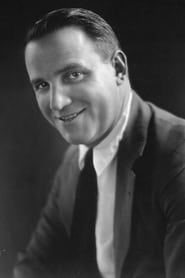
Allan Dwan
Director
Born: April 3, 1885 in Toronto, Ontario, Canada Died: December 28, 1981 Active: 1911-1961 Birth Name: Joseph Aloysius Dwan
Films
16 films
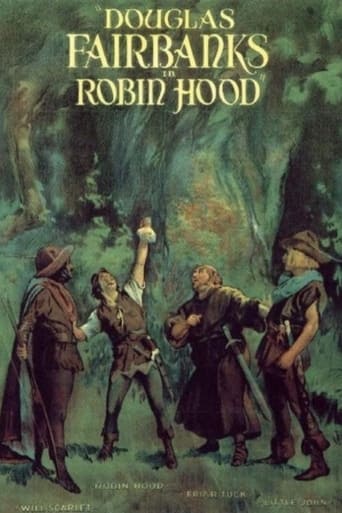
Robin Hood
1922
Manhandled
1924
A Modern Musketeer
1917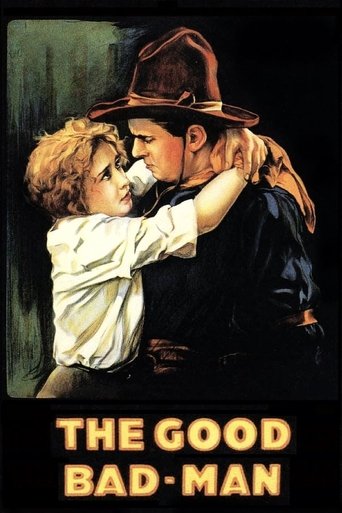
The Good Bad-Man
1916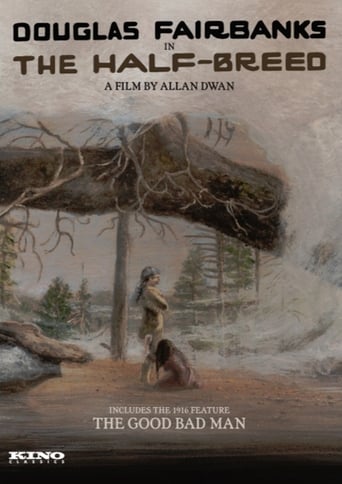
The Half-Breed
1916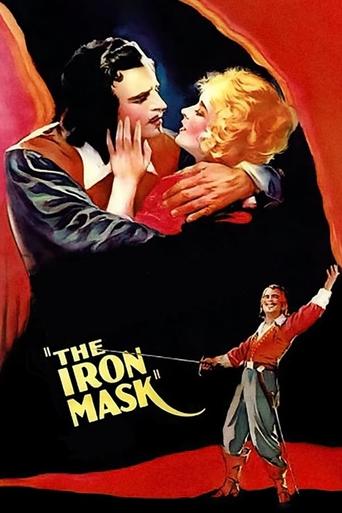
The Iron Mask
1929
Stage Struck
1925
Zaza
1923
Padlocked
1926
East Side, West Side
1927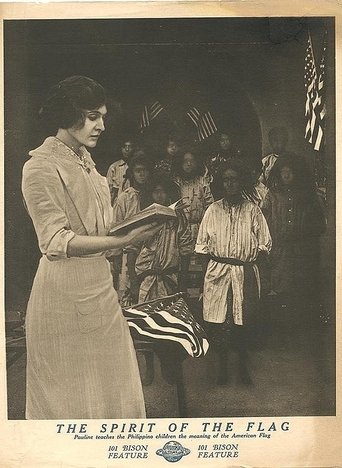
The Spirit of the Flag
1913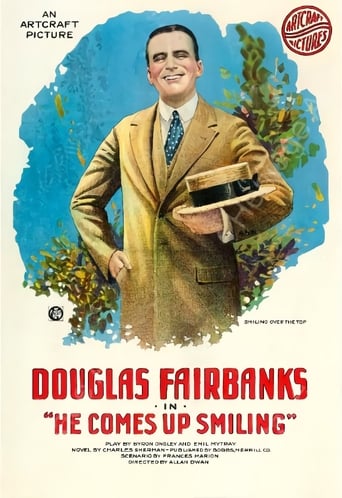
He Comes Up Smiling
1918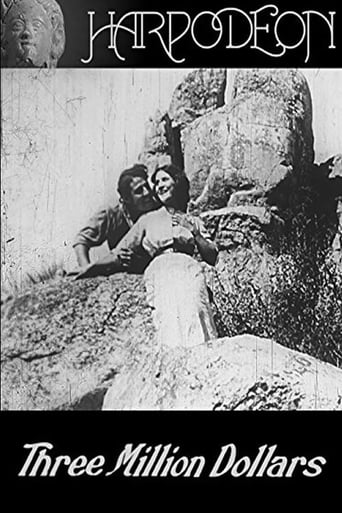
Three Million Dollars
1911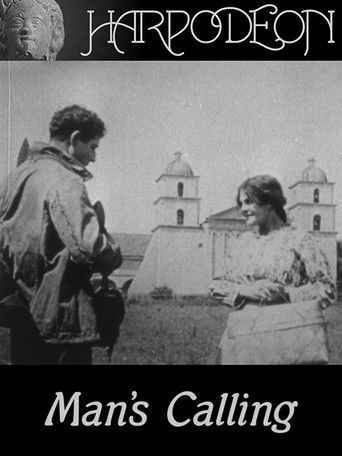
Man's Calling
1912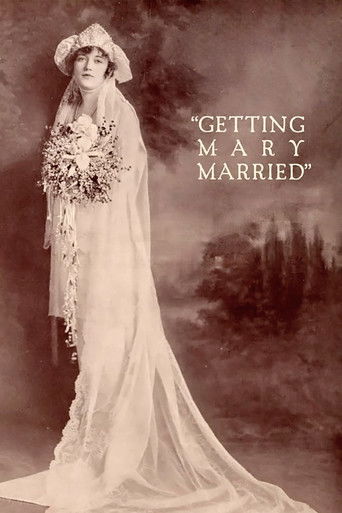
Getting Mary Married
1919About Allan Dwan
Allan Dwan was one of cinema's most prolific and enduring directors, whose an incredible five decades from the silent era's dawn to the Golden Age of Hollywood. Born Joseph Aloysius Dwan in Canada, he began his career in 1911 after earning an engineering degree from Notre Dame, initially working as a scriptwriter and quickly transitioning to directing. Dwan became known for his technical innovations and efficiency, directing over 400 films throughout his career, though many of his early silent works are now lost. He worked extensively with Douglas Fairbanks, directing him in several swashbucklers including the landmark 1922 'Robin Hood,' expensive films of its time. During the transition to sound, Dwan seamlessly adapted his style, directing notable films for major studios including RKO, Fox, and Paramount. He worked with many of Hollywood's biggest stars, from Shirley Temple and John Wayne to Lana Turner and Susan Hayward, demonstrating remarkable versatility across genres from westerns to musicals to film noir. Dwan continued directing well into his 70s, with his final film coming in 1961, making him one of the few directors to bridge the entire evolution of cinema from its primitive beginnings to the modern era.
The Craft
Behind the Camera
Dwan was known for his technical proficiency, efficiency, and versatility across genres. He pioneered innovative camera techniques including early tracking shots and dynamic camera movement. His directing style emphasized clear storytelling, strong visual composition, and the ability to work quickly without sacrificing quality. Dwan was particularly adept at action sequences and spectacle, as evidenced in his swashbucklers and westerns, while also showing sensitivity in dramatic scenes. He maintained a reputation for being reliable and professional, often completing films ahead of schedule and under budget.
Milestones
- Directed Douglas Fairbanks in Robin Hood (1922)
- Pioneered early camera techniques and innovations
- Directed over 400 films in a 50-year career
- Helped launch the careers of numerous stars
- Successfully transitioned from silent to sound films
- Worked with every major Hollywood studio
- Directed Shirley Temple in several hit films
- Member of the early film industry's founding generation
Best Known For
Must-See Films
Accolades
Won
- Academy Honorary Award (1975)
- Directors Guild of America Honorary Life Member Award
Nominated
- Academy Award for Best Director nomination consideration for multiple films
- Directors Guild of America Award for Outstanding Directorial Achievement in Motion Pictures
Special Recognition
- Hollywood Walk of Fame star (6500 Hollywood Blvd)
- Academy Honorary Award for lifetime achievement
- National Board of Review Award for Best Film
- Venice Film Festival Golden Lion nomination
Working Relationships
Worked Often With
Studios
Why They Matter
Impact on Culture
Allan Dwan's impact on cinema spans the entire evolution of the film industry, from the nickelodeon era to the modern studio system. As one of the directors, he helped establish many of the fundamental techniques of film grammar and storytelling. His work with Douglas Fairbanks helped define the swashbuckling adventure genre and establish the star system. Dwan's ability to adapt to technological changes, from silent to sound to color and widescreen, demonstrated the flexibility required in the film industry. His efficiency and productivity set standards for studio filmmaking, while his versatility across genres proved that directors could successfully work in multiple styles. Dwan's career serves as a bridge between cinema's primitive beginnings and its Golden Age, making him a living history of the medium's development.
Lasting Legacy
Allan Dwan's legacy is that of one of cinema's most durable and adaptable craftsmen. With over 400 directing credits, he represents the epitome of the Hollywood studio director who could deliver quality films in any genre on schedule and budget. His technical innovations, particularly in camera movement and action sequencing, influenced generations of filmmakers. The survival and restoration of several of his key films, particularly his Fairbanks collaborations, ensure that his contributions to early cinema are preserved and studied. Dwan's remarkable longevity, working from the industry's infancy through the television era, makes him a unique figure who witnessed and participated in nearly every major development in film history. His 1975 Academy Honorary Award recognized not just his individual films but his overall contribution to the art and craft of cinema.
Who They Inspired
Dwan influenced countless directors through his efficient working methods and technical innovations. His early experiments with camera movement helped establish the visual language of cinema. His ability to work quickly without sacrificing quality became a model for studio directors. Many of the actors he directed, including Shirley Temple and John Wayne, went on to become major stars, partly due to his guidance. His success in transitioning between genres demonstrated the importance of versatility in a director's career. Contemporary directors who study classic Hollywood craftsmanship often cite Dwan as an example of reliable, professional filmmaking at its best.
Off Screen
Allan Dwan married actress Pauline Bush in 1915, though their marriage ended in divorce. He later married actress Marie Shelton in 1921, with whom he had a daughter. Dwan was known for his professionalism and relatively low-key personal life compared to many Hollywood figures of his era. He was an avid golfer and maintained homes in both Hollywood and Palm Springs. Despite his long and successful career, he remained humble about his achievements and was respected throughout the industry for his work ethic and dedication to the craft of filmmaking.
Education
University of Notre Dame - Bachelor of Science in Electrical Engineering (1907)
Family
- Pauline Bush (1915-1921)
- Marie Shelton (1921-1979)
Did You Know?
- Directed over 400 films, though many silent films are now lost
- Holds the record for the longest directing career in Hollywood history (50 years)
- Originally trained as an electrical engineer at Notre Dame
- Was one of the few directors to successfully work with both Douglas Fairbanks and John Wayne
- His 1922 'Robin Hood' cost over $1 million, making it
- Directed Shirley Temple in three of her most successful films
- Was one of the founding members of the Directors Guild of America
- Continued directing into his 70s, well past most of his contemporaries
- His final film 'The Most Dangerous Man Alive' (1961) was a science fiction film
- Received an Academy Honorary Award in 1975 at age 90
- Worked with every major Hollywood studio during his career
- Was known for completing films ahead of schedule and under budget
- Survived the transition from silent films to talkies when many directors did not
- His birth name was Joseph Aloysius Dwan
- Lived to be 96 years old, outliving most of his contemporaries
In Their Own Words
I never made a picture I didn't like. If I didn't like it, I wouldn't make it.
The secret to directing is knowing what you want and getting it quickly.
In the early days, we made up the rules as we went along. There was no one to tell us how to do it.
I've been lucky enough to see this business grow from nothing to what it is today.
A director should be like a good conductor - he knows what every instrument should play and when.
The only thing that matters in pictures is whether they entertain people.
I never had time to think about being a pioneer. We were just trying to make good pictures.
Frequently Asked Questions
Who was Allan Dwan?
Canadian-American on YTB.my. He directed over 400 films, working in every genre from silent swashbucklers to modern dramas, and was known for his technical innovations and efficiency behind the camera.
What films is Allan Dwan best known for?
Titles linked here include Robin Hood (1922), The Iron Mask (1929).
When was Allan Dwan born and when did he die?
Born April 3, 1885; died December 28, 1981.
What awards did Allan Dwan win?
Dwan received an Academy Honorary Award in 1975 for his lifetime achievements in filmmaking. He was also honored with the Directors Guild of America Honorary Life Member Award and has a star on the Hollywood Walk of Fame at 6500 Hollywood Boulevard.
What was Allan Dwan's directing style?
Dwan was known for his technical proficiency, efficiency, and versatility across genres. He pioneered innovative camera techniques, emphasized clear storytelling, and was particularly adept at action sequences and spectacle. His style was marked by strong visual composition and the ability to work quickly without sacrificing quality.
How did Allan Dwan influence cinema?
Dwan influenced cinema through his technical innovations in camera movement, his role in establishing the swashbuckling genre with Fairbanks, and his model of efficient studio filmmaking. His 50-year career bridged cinema's evolution from silent films to modern Hollywood, making him a living link between different eras of filmmaking.
Did Allan Dwan work with any famous actors?
Dwan worked with virtually every major star of his era, including Douglas Fairbanks, Shirley Temple, John Wayne, Lana Turner, Susan Hayward, Fred MacMurray, and Claudette Colbert. He was particularly known for his successful collaborations with Fairbanks in the 1920s and Temple in the 1930s.