Zaza
"A Jazz Age story of zaza"
Keys: Space play/pause · ←/→ 10s · F fullscreen · M mute · </> speed
About this film
Quietly, Jazz Age life, zaza is an actress and the favorite at an open-air theater in a small French town. When diplomat Bernard Dufresne comes to the village, he stays away for fear he will fall for her. But during one performance, while Zaza is singing on a swing, her rival cuts the rope and she falls
Cast & crew
More films like this

More Romance films
View all →




More from Allan Dwan
View all →
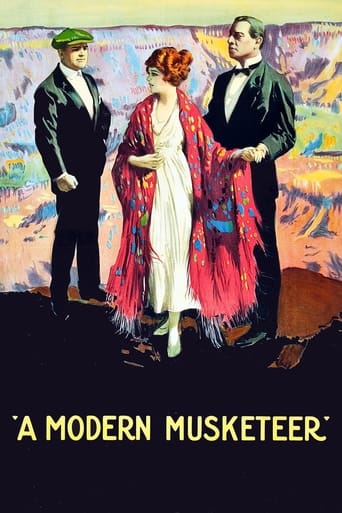
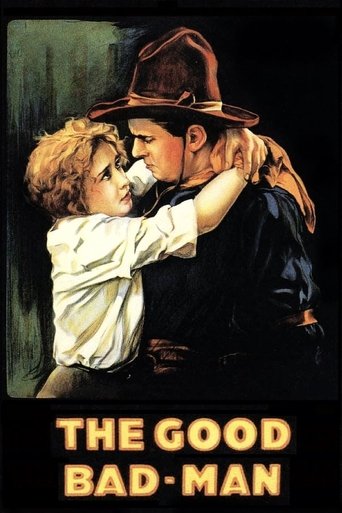
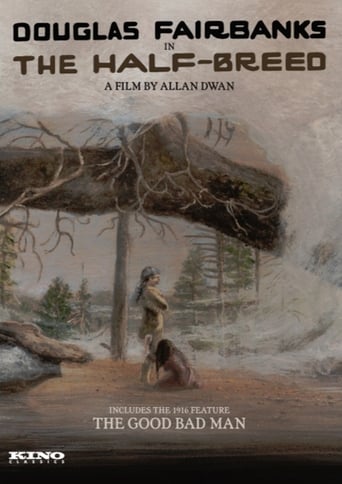
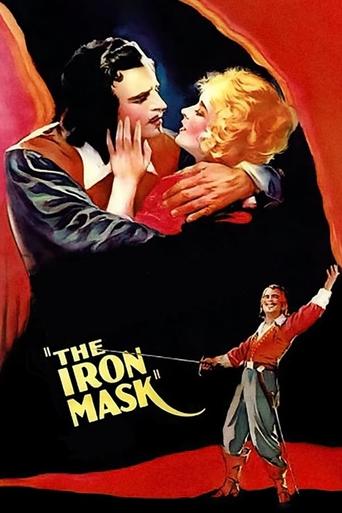

More about this film
About the production
Release dateSeptember 16, 1923
ProductionParamount Pictures
Filmed inParamount Studios, Hollywood, California
This was one of Gloria Swanson's most successful films during her peak period at Paramount. The film was based on a popular French play that had already been adapted to film multiple times before 1923. The swing sequence was particularly challenging to film safely, with Swanson insisting on performing the stunt herself rather than using a double. The production team went to great lengths to recreate authentic French provincial settings within the studio lot, importing props and consulting with French cultural experts.
Themes
Love and betrayalSocial class differencesFemale independence and sexualityThe price of romantic passionIllusion versus reality in relationships
Themes & topics
romancebetrayalactressdiplomatlove triangleFrench provincial settingperformanceaccidentmarriageinfidelitymelodrama
Historical background
The Jazz Age context of 1923 shaped how Zaza was marketed, exhibited, and remembered. is based on the 1899 French play of the same name produced on Broadway by David Belasco and starring Mrs. Leslie Carter.
Why this film matters
Preservation efforts around Zaza help audiences connect with Jazz Age viewing habits.
Making of
The production of 'Zaza' was marked by Gloria Swanson's growing influence and creative control at Paramount Pictures. She had significant input in costume selection, script development, and even casting decisions. Director Allan Dwan, known for his smooth working relationships with actors, developed a strong professional rapport with Swanson during filming. The swing sequence required extensive planning and safety measures, with the production team initially considering stunt doubles before Swanson insisted on performing the scene herself to maintain authenticity. The production design team spent weeks constructing detailed French provincial sets on the Paramount backlot, importing authentic props and furnishings from Europe. The film was shot relatively quickly even by 1920s standards, with Dwan's efficient directing style allowing the production to stay on schedule and within budget.
What critics said
Trade coverage around 1923 noted Zaza as a competent example of its genre, with emphasis on pacing and star appeal where applicable.
Did you know?
- This was the third film adaptation of the play 'Zaza' - there were earlier versions in 1915 and 1916
- Gloria Swanson considered this one of her favorite roles and most satisfying performances
- The original stage play 'Zaza' was written by Pierre Berton and Charles Simon and was extremely popular, having been performed by actresses including Sarah Bernhardt
- Swanson's performance in 'Zaza' solidified her status as among the leading bankable stars of the silent era
- The film was a critical and commercial success, helping establish Swanson as a major box office draw for Paramount
- Director Allan Dwan was known for his efficiency and ability to complete films quickly and under budget, making him a favorite of studio executives
- The swing accident scene was performed by Swanson herself, showcasing her dedication to physical authenticity in her performances
- The film's success led to Swanson demanding and receiving a higher salary for subsequent films, reportedly making her one of the highest-paid actresses in Hollywood
- 'Zaza' was one of the last films Swanson made before her brief hiatus from Hollywood in 1924
- The film's costume design was particularly praised by contemporary critics for its authentic French provincial aesthetic and attention to period detail
Visual style
The cinematography of 'Zaza' reflects the sophisticated visual style that characterized Paramount productions during the early 1920s. The film features careful lighting design that enhances the romantic and dramatic elements of the story, with particular attention to the interplay of light and shadow in key emotional scenes. The swing sequence was especially notable for its technical complexity, requiring careful camera placement and timing to capture the action effectively while maintaining visual continuity. The film's visual composition demonstrates the growing artistry of silent film cinematography, with careful attention to framing and movement that enhances the storytelling without dialogue. The cinematographer employed innovative camera techniques for the time, including tracking shots that follow characters through the villa sets, creating a sense of fluid motion that adds to the film's romantic atmosphere.
Innovations
While 'Zaza' does not feature revolutionary technical innovations, it represents the refinement of filmmaking techniques that characterized mature silent era productions. The film demonstrates sophisticated camera work and lighting that enhances the storytelling without dialogue. The swing sequence required careful technical planning to execute safely and effectively, involving the construction of a special rigging system that could be controlled precisely by the crew. The film's production values reflect Paramount's commitment to high-quality productions during this period, with attention to set design, costumes, and visual effects that elevated the material beyond typical melodramas of the era. The film also showcases the advanced editing techniques that had been developed by the early 1920s, with smooth transitions between scenes and effective use of cross-cutting to build dramatic tension.
Music
As a silent film, 'Zaza' would have been accompanied by live musical performances during its original theatrical run. Major theaters typically employed full orchestras while smaller venues used skilled organists or pianists to provide musical accompaniment tailored to each scene. The score likely drew from popular classical pieces and original compositions that matched the film's romantic and dramatic moods. French-inspired music would have been particularly appropriate given the film's setting. Unfortunately, specific details about the original musical accompaniment for 'Zaza' are not well-documented in surviving sources, which is common for films of this era. However, contemporary accounts suggest that Paramount provided cue sheets to theaters with suggested musical selections for key scenes.
Memorable scenes
- The swing accident sequence where Zaza falls during her performance - this dramatic moment serves as the catalyst for the romance between Zaza and Bernard and showcases Swanson's physical acting abilities
- The scene where Bernard's wife appears at the villa, revealing the truth about his marriage and forcing the central conflict to come to a head
- Zaza's final confrontation with Bernard where she must decide the fate of their relationship, demonstrating her character's strength and independence
What audiences thought
'Zaza' was a significant box office success upon its release, capitalizing on Gloria Swanson's immense popularity with movie audiences of the early 1920s. The film's romantic storyline and dramatic elements resonated strongly with audiences, particularly women who identified with Swanson's independent and passionate character. Contemporary audience reactions, as documented in trade publications and fan magazines of the time, were overwhelmingly positive, with many praising the film's emotional impact and Swanson's charismatic performance. The film's success further cemented Swanson's status as among the leading bankable stars in Hollywood, leading to increased salary demands and more creative control over her subsequent projects. Movie theaters reported strong attendance figures, and the film ran for extended engagements in major cities, indicating sustained audience interest.
Film connections
Influenced by
- The original stage play 'Zaza' by Pierre Berton and Charles Simon
- Earlier film adaptations of the same play from 1915 and 1916
- The tradition of romantic melodramas in both theater and cinema
- European literary adaptations popular in early Hollywood
- The growing sophistication of silent film storytelling techniques
This film influenced
- Subsequent adaptations of the 'Zaza' story including the 1939 sound version
- Romantic melodramas featuring strong female protagonists throughout the 1920s
- Films exploring similar themes of love and betrayal in sophisticated settings
- Gloria Swanson's later vehicles that capitalized on her established star persona
Film restoration
The preservation status of 'Zaza' (1923) is not extensively documented in available sources. Many films from this era have been lost due to the decomposition of nitrate film stock, which was highly flammable and prone to deterioration. Given Gloria Swanson's star status and Paramount's generally good preservation practices, there's a possibility that copies or elements of this film may exist in archives or private collections. However, the film is not widely available for viewing through conventional channels, suggesting it may be lost, incomplete, or in need of restoration. The Library of Congress and major film archives have not listed it among their available holdings.
Where to watch
- Based on available information, 'Zaza' (1923) does not appear to be currently available on major streaming platforms or through official home video releases
- Given its age and potential preservation status, the film may be accessible only through specialized film archives, museum screenings, or private collectors
- Film enthusiasts interested in viewing this rare Swanson vehicle might need to contact film preservation organizations or archives specializing in silent cinema
- The film may occasionally be shown at special silent film festivals or retrospectives focused on Gloria Swanson's work