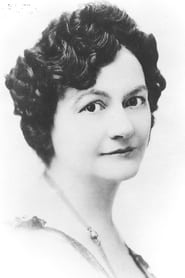
Lucille La Verne
Actor
Born: November 8, 1872 in Nashville, Tennessee, USA Died: March 4, 1945 Active: 1888-1945 Birth Name: Lucille La Verne Mitchum
Films
5 films

About Lucille La Verne
American actress: from the stage in the late 19th century through the transition from silent films to early talkies. Beginning as a child performer on the legitimate stage, she established herself as a formidable character actress on Broadway before transitioning to motion pictures in the 1920s. La Verne became renowned for her ability to portray both elderly women and villainous characters with remarkable authenticity, often using makeup techniques to appear decades older than her actual age. Her most contribution to cinema came in 1937 when she provided the voice for both the Evil Queen and the Witch in Disney's animated feature 'Snow White and the Seven Dwarfs.' Throughout her film career, she worked with prominent directors including D.W. Griffith and appeared in numerous silent and early sound films, often typecast in maternal or antagonist roles. Despite her relatively short film career, La Verne's distinctive voice and commanding screen presence on early Hollywood cinema.
The Craft
On Screen
La Verne was known for her transformative character acting, particularly her ability to convincingly portray elderly women through her mastery of voice modulation, physical mannerisms, and makeup techniques. She employed a naturalistic approach that was ahead of her time, bringing psychological depth to her villainous roles that made them both terrifying and compelling. Her stage background gave her exceptional vocal control and projection, which later proved invaluable in her voice work for animation.
Milestones
- Broadway stage debut as child performer
- Transition to silent films in 1921
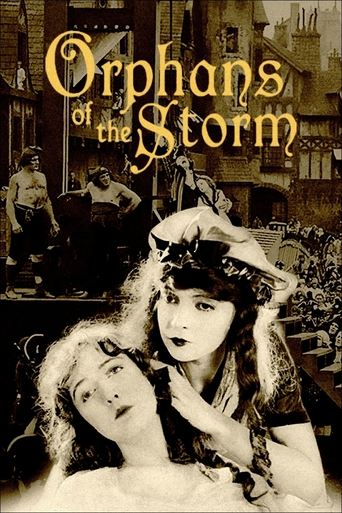
- Memorable role in D.W. Griffith's 'Orphans of the Storm' (1921)
- Voice performance as the Evil Queen in Disney's 'Snow White and the Seven Dwarfs' (1937)
- Final film appearance in 'A Tale of Two Cities' (1935)
Best Known For
Iconic Roles
Must-See Films
Accolades
Special Recognition
- Disney Legend Award (posthumous recognition)
- Hollywood Walk of Fame Star for contributions to Motion Pictures
Working Relationships
Worked Often With
Studios
Why They Matter
Impact on Culture
Lucille La Verne's portrayal of the Evil Queen in Disney's first feature-length animated film established the template for villainous voice performances in animation for decades to come. Her ability to voice both the regal Queen and the cackling Witch demonstrated the range and depth possible in animated voice acting, elevating the medium beyond simple caricature. The character's iconic lines delivered by La Verne, particularly 'Magic Mirror on the wall, who is the fairest one of all?', have become embedded in popular culture and continue to be referenced and parodied in contemporary media. Her work helped establish Disney's reputation for creating complex, memorable antagonists that would become a hallmark of their animated features.
Lasting Legacy
La Verne's legacy endures primarily through her groundbreaking voice work in 'Snow White and the Seven Dwarfs,' which remains. Her Evil Queen/Witch performance set the standard for animated villains, combining menace, jealousy, and dark magic in a way that has been emulated but rarely surpassed. Film historians recognize her as a pioneer in voice acting for animation, demonstrating that voice performers could bring the same level of dramatic intensity to animated characters as live actors brought to the screen. Her body of work in silent and early sound films also serves as an important record of the transition period in Hollywood cinema, showcasing how stage actors successfully adapted to the new medium of motion pictures.
Who They Inspired
La Verne's technique of creating distinct voices for different aspects of the same character influenced generations of voice actors who followed. Her work demonstrated the importance of vocal characterization in animation, inspiring performers like Eleanor Audley, who would later voice similar Disney villains. Her ability to convey complex emotions through voice alone helped establish voice acting as a legitimate and respected art form within the entertainment industry. Many contemporary voice actors cite her Evil Queen performance as a foundational influence on their approach to villainous characters.
Off Screen
Lucille La Verne married three times throughout her life, first to actor James J. Corbett in 1893, then to theatrical manager William F. Jacoby, and finally to Dr. Herbert W. Gleason. She had no children from any of her marriages. Despite her success in entertainment, she maintained a relatively private personal life and was known among her colleagues as a consummate professional who took her craft seriously. Her later years were spent in Culver City, California, where she passed away from cancer at age 72.
Education
Educated in Nashville schools, received early theatrical training from local drama teachers and through practical stage experience beginning in childhood
Family
- James J. Corbett (1893-1900)
- William F. Jacoby (1902-1915)
- Herbert W. Gleason (1920-1945)
Did You Know?
- Was only 64 when she voiced the Evil Queen, but her voice sounded much older
- Removed her false teeth to achieve the Witch's raspy voice in 'Snow White'
- Began her stage career at age 14 in Nashville
- Was a successful Broadway star before entering films
- Spoke fluent French, which helped her in roles like 'Zaza'
- Her final film appearance was in 'A Tale of Two Cities' (1935) two years before 'Snow White'
- Was one of the first actors to receive screen credit for voice work in animation
- Her Evil Queen laugh was so distinctive it was reused in Disney theme park attractions
- Never saw the completed 'Snow White' film as she died before its general release
- Was originally considered for the Wicked Witch role in 'The Wizard of Oz' but died before casting
In Their Own Words
Magic Mirror on the wall, who is the fairest one of all? (as the Evil Queen in Snow White)
I'll fix you! I'll crush your bones to powder! (as the Witch in Snow White)
The stage is my home, but film is my future (1922 interview)
To play old, you must understand what it means to have lived long
Voice is the soul of character, whether on stage or in animation
Frequently Asked Questions
Who was Lucille La Verne?
American actress and voice artist who transitioned from Broadway stardom to silent films and early talkies. She is best remembered for providing the voice of both the Evil Queen and the Witch in Disney's 'Snow White and the Seven Dwarfs' (1937), establishing a benchmark for villainous voice performances in animation.
What films is Lucille La Verne best known for?
Titles linked here include Snow White and the Seven Dwarfs (1937), Orphans of the Storm (1921).
When was Lucille La Verne born and when did she die?
Born November 8, 1872; died March 4, 1945.
What awards did Lucille La Verne win?
While she did not receive major awards during her lifetime, Lucille La Verne has been posthumously recognized with a Disney Legend Award for her voice work in 'Snow White' and has a star on the Hollywood Walk of Fame for her contributions to motion pictures. Her Evil Queen performance is now considered one of the greatest voice performances in cinema history.
What was Lucille La Verne's acting style?
La Verne was known for her transformative character acting, particularly her ability to convincingly portray elderly women through exceptional voice modulation and physical characterization. Her stage background gave her remarkable vocal control, which she used to create distinct personalities for her characters, most notably the dual voices of the regal Evil Queen and the cackling Witch in 'Snow White'.