L. Rogers Lytton
Actor
Born: October 19, 1867 in New York City, New York, USA Died: August 11, 1932 Active: 1918-1923 Birth Name: Louis Rogers Lytton
Films
2 films

About L. Rogers Lytton
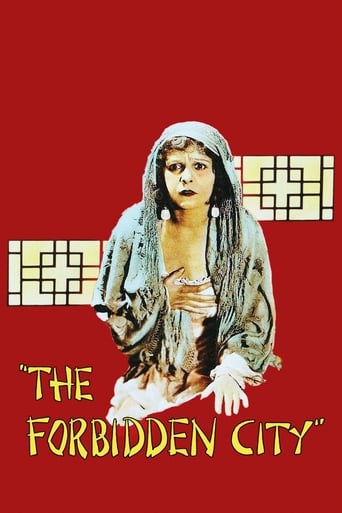
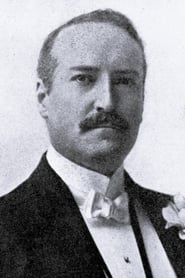
American character actor who worked during the silent film era, primarily in the late 1910s and early 1920s. His career, though brief, saw him appear in several notable productions of the period, often portraying authority figures or aristocratic characters due to his appearance. Lytton's most significant roles came in 1918's 'The Forbidden City,' where he supported Norma Talmadge in this exotic drama set in China, and in 1923's 'Zaza,' starring Gloria Swanson. His screen presence was marked by a formal, theatrical style typical of the period, utilizing exaggerated gestures and facial expressions to convey emotion to silent film audiences. Despite his limited filmography, Lytton worked with some of the biggest stars of his day, including the Gloria Swanson. His career appears to have concluded around 1923, coinciding with the industry's transition toward more sophisticated filmmaking techniques and the eventual advent of sound. Details of his life outside his brief film career remain scarce, marking him as a representative figure of the many supporting actors who populated the burgeoning Hollywood landscape.
The Craft
On Screen
L. Rogers Lytton's acting style was characteristic of the silent era's theatrical approach. He employed broad gestures and pronounced facial expressions to communicate character and emotion to the audience without the aid of dialogue. His performances were formal and often stiff, suiting the roles of aristocrats, officials, or other figures of authority he frequently portrayed. This style, while seeming exaggerated by modern standards, was the conventional technique for ensuring clarity of storytelling in silent cinema.
Milestones
- Appeared as a supporting actor in 'The Forbidden City' (1918) starring Norma Talmadge
- Featured in the cast of 'Zaza' (1923) with Gloria Swanson
- Worked consistently as a character actor in major silent film productions
Best Known For
Iconic Roles
Must-See Films
Working Relationships
Worked Often With
Studios
Why They Matter
Impact on Culture
L. Rogers Lytton's cultural impact is primarily that of a representative supporting actor from the foundational years of American cinema. While not a star who shaped the industry's direction, his presence in films with major figures like Gloria Swanson and Norma Talmadge places him within the ecosystem of Hollywood's Golden Age pioneers. He contributed to the visual storytelling language of the silent era, embodying the character archetypes that populated the films of the time. His work serves as a historical record of the acting styles and production values prevalent during the transition from short films to feature-length narratives.
Lasting Legacy
The legacy of L. Rogers Lytton is preserved through the surviving films in which he appeared, which are now valued as artifacts of silent cinema history. His roles, though not leading, provide modern audiences with a glimpse into the ensemble casts that supported the era's biggest stars. As a character actor, he exemplifies the countless performers who were essential to the film industry's growth but whose individual stories have faded with time. His legacy is not one of innovation or stardom, but of reliable, professional contribution to the art form during its most formative years.
Who They Inspired
Given his status as a supporting actor with a short filmography, there is no documented evidence of L. Rogers Lytton directly influencing other performers or directors. His influence is instead indirect, as part of the collective body of work from silent actors who established the conventions of screen acting. The techniques he employed, shared by many of his contemporaries, formed the basis from which later, more naturalistic styles of film acting would evolve. He stands as a link in the chain of cinematic history, representing the professional craftspeople who built the industry.
Off Screen
Beyond his brief film career, L. Rogers Lytton appears to have maintained a private life largely outside the public eye. He was born Louis Rogers Lytton in New York City in 1867, making him significantly older than many of his co-stars, which likely contributed to his casting in mature, authoritative roles. He passed away in 1932 at the age of 64, nearly a decade after his last known film appearance, suggesting he retired from the film industry and lived his later years away from the Hollywood spotlight. No extensive records of marriages, children, or other personal details are widely documented.
Did You Know?
- His birth name was Louis Rogers Lytton, but he used the stage name 'L. Rogers Lytton' professionally.
- He was 51 years old when he appeared in 'The Forbidden City' (1918), making him a mature presence in early Hollywood.
- He worked with two of the biggest female stars of the silent era: Norma Talmadge and Gloria Swanson.
- His film career was remarkably brief, spanning only about five years from 1918 to 1923.
- He passed away in New York City, the same place where he was born, suggesting he may have returned to his home state after retiring from film.
- The film 'Zaza' (1923), one of his last known roles, was remade as a sound film in 1939 starring Claudette Colbert.
- His surname 'Lytton' is also the name of a famous English literary family, though no direct relation is known.
- Despite his aristocratic-sounding name and appearance, he was an American actor born and raised in New York.
Frequently Asked Questions
Who was L. Rogers Lytton?
American character with credits in this catalog. He is best known for his supporting roles in major films like 'The Forbidden City' (1918) and 'Zaza' (1923), where he often portrayed authority figures alongside stars such as Gloria Swanson and Norma Talmadge.
What films is L. Rogers Lytton best known for?
Titles linked here include The Forbidden City (1918), Zaza (1923).
When was L. Rogers Lytton born and when did he die?
Born October 19, 1867; died August 11, 1932.
What awards did L. Rogers Lytton win?
There are no records of L. Rogers Lytton receiving any major film industry awards or nominations. His career as a supporting actor in the silent era predated the establishment of many major awards, such as the Academy Awards, which began in 1929 near the end of his active period.
What was L. Rogers Lytton's acting style?
L. Rogers Lytton's acting style was typical of the silent era, characterized by theatrical and expressive techniques. He used broad gestures and pronounced facial expressions to convey emotion and character, which was essential for storytelling in films without dialogue.