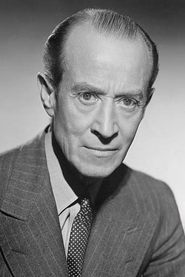
H.B. Warner
Actor
Born: October 26, 1875 in London, England Died: December 21, 1958 Active: 1914-1951 Birth Name: Henry Byron Warner
Films
8 films


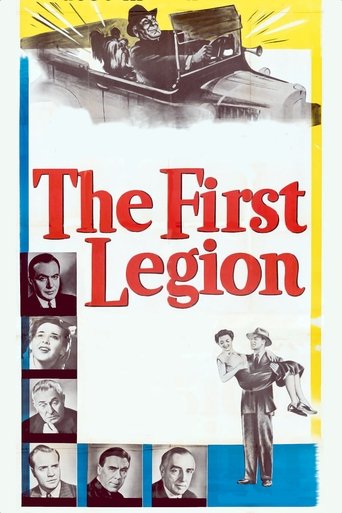

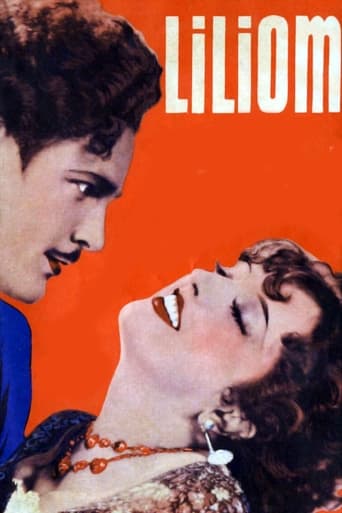
About H.B. Warner
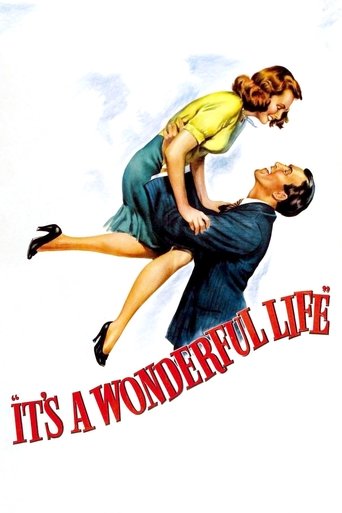
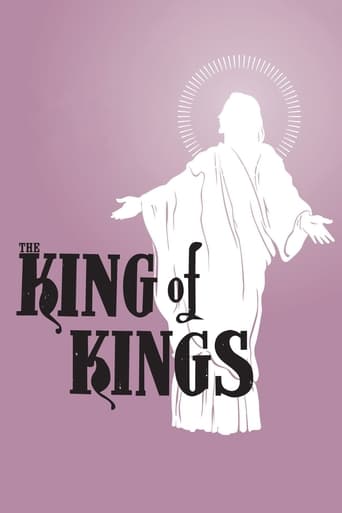
H.B. Warner, born Henry Byron Warner, was a British actor who began his career on the London stage before transitioning to American cinema during the silent era. His breakthrough came when director Cecil B. DeMille cast him as Jesus Christ in the epic 'The King of Kings' (1927), a role that would define his career and establish him as an international star. Warner successfully navigated the transition to sound films, though his leading man status gradually evolved into respected character roles throughout the 1930s and 1940s. H.B. Appears in over 150 films during his career, working with directors like Frank Capra and Victor Fleming. His later years saw him in memorable supporting roles, including Mr. Gower in 'It's a Wonderful Life' (1946) and The High Lama in 'Lost Horizon' (1937). Warner retired from acting in the early 1950s after a career spanning nearly four decades, leaving behind a legacy as one of Hollywood's most dignified and versatile character actors.
The Craft
On Screen
Warner's acting style was characterized by remarkable dignity, restraint, and emotional depth, reflecting his extensive theatrical training. He brought a gravitas to his performances through subtle facial expressions and controlled gestures, making him particularly effective in religious, authoritative, and paternal roles. His transition from stage to screen demonstrated exceptional adaptability, maintaining theatrical intensity while embracing cinema's more intimate nature. Warner possessed a commanding screen presence that allowed him to convey complex emotions with minimal movement, a technique that served him well in both silent films and talkies.
Milestones
- Portrayal of Jesus Christ in 'The King of Kings' (1927)
- Academy Award nomination for 'The Great Ziegfeld' (1936)
- Memorable role as Mr. Gower in 'It's a Wonderful Life' (1946)
- The High Lama in 'Lost Horizon' (1937)
- Inspector Javert in 'Les Misérables' (1935)
- Over 150 film appearances spanning silent and sound eras
Best Known For
Iconic Roles
Must-See Films
Accolades
Nominated
- Academy Award nomination for Best Actor in a Supporting Role for 'The Great Ziegfeld' (1936)
Special Recognition
- Hollywood Walk of Fame star at 6600 Hollywood Boulevard
Working Relationships
Worked Often With
Studios
Why They Matter
Impact on Culture
Warner's portrayal of Jesus Christ in 'The King of Kings' established the template for biblical cinema and influenced how religious figures were depicted in film for decades. His dignified, spiritual approach set a standard that few have matched, making the film. Warner's career trajectory from leading man to respected character actor demonstrated the professional longevity possible in Hollywood's studio system. His contribution to 'It's a Wonderful Life' as Mr. Gower added depth to one of cinema's most beloved films, ensuring his place in American cultural memory. Warner represented the bridge between theatrical tradition and cinematic innovation, helping establish acting standards for the new medium of film.
Lasting Legacy
H.B. Warner is remembered as one of Hollywood's most character actors, whose active years covered the evolution of cinema from silent films to television. His portrayal of Jesus Christ remains one of cinema's most powerful religious performances, while his extensive body of work exemplifies the craftsmanship of Golden Age Hollywood. Warner's ability to bring dignity and authenticity to every role, whether leading or supporting, established him as a model of professional excellence. His legacy includes influencing generations of actors in the art of subtle, dignified performance and contributing to some of cinema's most enduring classics.
Who They Inspired
Warner's restrained yet powerful acting technique influenced generations of character actors, particularly in conveying authority and wisdom through minimal gestures. His successful transition from stage to screen provided a blueprint for other theatrical actors adapting to cinema. His dignified approach to religious roles set a standard that influenced subsequent biblical films. Warner's work with directors like DeMille and Capra helped establish collaborative methods between actors and directors that became industry standards. His career longevity demonstrated how actors could evolve from leading roles to character parts while maintaining artistic integrity.
Off Screen
Warner married twice during his lifetime, first to F.R. Hazlewood which ended in divorce, and later to Irene Warner, who remained his wife until his death. He had no children but was known for his deep religious convictions, which made his portrayal of Jesus Christ particularly meaningful to him personally. Warner was described by colleagues as a professional and deeply spiritual man who took his craft seriously. He maintained a reputation for integrity throughout his long career in Hollywood.
Education
Trained for the stage in London theaters, receiving formal dramatic education in the late 19th century
Family
- F.R. Hazlewood (1915-1925, divorced)
- Irene Warner (1926-1958, until his death)
Did You Know?
- Warner was so committed to his role as Jesus that he refused to be seen in public during filming and ate alone to maintain character mystique
- He was a devout Christian in real life, which added authenticity to his portrayal of Christ
- Despite his famous role as Jesus, Warner often played villains or authority figures in other films
- He was originally a stage actor who made his film debut relatively late in his career at age 39
- Warner was one of the few silent film stars to successfully transition to a successful career in talkies
- During 'The King of Kings' production, some audience members reportedly fainted during crucifixion scenes
- He was a favorite of director Frank Capra, who cast him in multiple films
- Warner continued acting well into his 70s, appearing in early television roles in the 1950s
- His birth name was Henry Byron Warner, but he used the initials H.B. Professionally
- He appeared in over 150 films during his nearly 40-year career
In Their Own Words
Playing Christ was the greatest responsibility of my life. I felt I had to be worthy of the role.
The camera is a more demanding audience than any theater crowd. It sees everything.
In films, as in life, dignity is the most important quality an actor can possess.
Frequently Asked Questions
Who was H.B. Warner?
British with credits in this catalog. He is best remembered for his portrayal of Jesus Christ in Cecil B. DeMille's 'The King of Kings' and his memorable role as Mr. Gower in 'It's a Wonderful Life.'
What films is H.B. Warner best known for?
Titles linked here include The King of Kings (1927), It's a Wonderful Life (1946).
When was H.B. Warner born and when did he die?
Born October 26, 1875; died December 21, 1958.
What awards did H.B. Warner win?
Warner received an Academy Award nomination for Best Supporting Actor for his role in 'The Great Ziegfeld' (1936). He also has a star on the Hollywood Walk of Fame at 6600 Hollywood Boulevard, recognizing his contributions to cinema.
What was H.B. Warner's acting style?
Warner's acting style was characterized by dignity, restraint, and emotional depth, reflecting his extensive theatrical background. He brought gravitas to roles through subtle facial expressions and controlled gestures, making him particularly effective in religious, authoritative, and paternal characters.
How did H.B. Warner transition from silent films to talkies?
Warner successfully transitioned from silent films to talkies due to his theatrical training and excellent diction. While his leading man status evolved into character roles, he remained in high demand throughout the 1930s and 1940s, appearing in numerous classic films including 'Lost Horizon' and 'It's a Wonderful Life.'