


The Divine Lady
"Lady Hamilton's love affair with Admiral Horatio Nelson rock"
Keys: Space play/pause · ←/→ 10s · F fullscreen · M mute · </> speed
About this film
Lady Hamilton's love affair with Admiral Horatio Nelson rocks the British Empire.
Cast & crew
More films like this
More Drama films
View all →







More from Frank Lloyd
View all →
More about this film
About the production
Release dateApril 7, 1929
ProductionFirst National Pictures
Filmed inWarner Brothers Burbank Studios, Burbank, California
The Divine Lady was produced as a 'part-talkie' during the transitional period from silent to sound cinema, featuring synchronized music and sound effects with limited dialogue. The production invested heavily in elaborate historically accurate costumes and sets to recreate the late 18th and early 19th-century period. The naval battle sequences were particularly challenging to film, requiring detailed miniature ships and innovative camera techniques. The picture was based on the novel 'The Divine Lady: A Romance of History' by E. Barrington, adapting the real-life story of Lady Hamilton and Admiral Nelson for the screen.
Themes
Forbidden love and social scandalPatriotism and duty versus personal happinessThe power of love to transcend social boundariesThe cost of fame and public lifeHistorical determinism and individual agency
Themes & topics
Historical romanceAdmiralNapoleonic WarsBritish EmpireScandalous affairNaval battleSacrificeSocial climbingWar heroTragedyLove triangleHistorical figure18th centuryNavyBetrayal
Historical background
The Divine Lady (1929) reached audiences through First National Pictures in United States, when exhibitors still built programs from varied shorts and features rather than single-block bookings.
Why this film matters
Programmers and historians revisit The Divine Lady (1929) because its story—lady hamilton's love affair with admiral horatio nelson rocks the british empire—illustrates popular narrative habits and production norms of the period.
Making of
The making of 'The Divine Lady' represented the challenging transition period from silent films to talkies, requiring director Frank Lloyd to balance traditional visual storytelling with new sound possibilities. The production faced significant technical challenges with early sound recording equipment, which limited camera movement and required actors to remain near microphones. Corinne Griffith, primarily known as a silent film star, had to adapt her performance style for the new medium while maintaining the expressive techniques that made her famous. the picture's elaborate production values, including authentic costumes and detailed sets, reflected First National Pictures' investment in prestige productions to compete with major studios. The naval battle sequences required extensive planning and innovative techniques, including the use of miniature ships and careful editing to create convincing maritime action. the picture's success demonstrated that historical epics could work effectively in the new sound era, helping to establish templates for prestige filmmaking in early Hollywood sound cinema.
What critics said
English-language trade reviews of The Divine Lady are limited for 1929. Where notices survive, they stress pacing and photographic clarity; later criticism values the title as archival evidence of studio style.
Did you know?
- This was the first sound film to win the Academy Award for Best Director (Frank Lloyd)
- the picture was a 'part-talkie,' featuring synchronized music and sound effects but limited dialogue
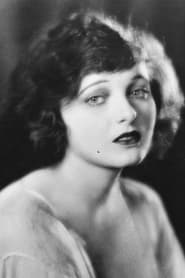
- Corinne Griffith was known as 'The Orchid of the Screen' and this was one of her most acclaimed performances
- Despite winning Best Director, the picture was not nominated for Best Picture at the 2nd Academy Awards
- Victor Varconi, who played Nelson, was an Austrian actor who had to learn English for this role
- the picture's title refers to Emma Hamilton's nickname given to her by the Neapolitans
- The battle scenes were considered technically impressive for their time, using detailed miniatures
- helped establish First National Pictures as a major studio during the early sound era
- The synchronized musical score was one of the early successful examples of sound enhancing dramatic storytelling
- The costumes were praised for their historical accuracy, particularly the naval uniforms and period gowns
Awards & recognition
- Academy Award for Best Director (Frank Lloyd) at the 2nd Academy Awards
- Academy Award for Best Writing (adapted screenplay) at the 2nd Academy Awards
Visual style
The cinematography of 'The Divine Lady' was handled by John F. Seitz, who received an Academy Award nomination for his work. the picture employed the sophisticated visual language of late silent cinema while adapting to the technical constraints of early sound recording. The camera work was more static than in later sound films due to the limitations of early sound equipment, but Seitz compensated with meticulous composition and dramatic lighting that enhanced the romantic atmosphere. The period settings were captured with attention to historical detail, using soft lighting techniques that flattered the stars while maintaining the authentic feel of the late 18th century. The naval battle sequences used innovative techniques for the time, including careful miniature work and editing that created convincing maritime action despite the technical limitations. The cinematography successfully maintained the painterly quality of late silent films while incorporating the requirements of sound recording, creating a visual style that bridged two eras of filmmaking.
Innovations
The Divine Lady represented significant technical achievements in the early sound era, particularly in its successful synchronization of music and sound effects with visual action. the picture demonstrated how sound could enhance historical epics without sacrificing the visual sophistication of late silent cinema. The naval battle sequences employed innovative techniques for filming maritime action, including the use of detailed miniatures and careful editing that created convincing combat scenes. The production managed to maintain the visual quality of late silent films while incorporating the new technical requirements of sound recording, overcoming challenges such as camera noise and microphone placement. the picture's sound team successfully balanced dialogue, music, and effects, creating a cohesive audio experience that enhanced rather than detracted from the storytelling. The successful blending of silent film techniques with new sound elements made 'The Divine Lady' a model for other transitional films during this pivotal period in cinema history.
Music
The musical score for 'The Divine Lady' was composed by Cecil Copping and was synchronized with the picture's action using the Vitaphone sound-on-disc system. The score incorporated period-appropriate classical and romantic themes that enhanced the historical setting and emotional impact of key scenes. The music played a crucial role in conveying emotion and advancing the narrative, particularly in scenes with limited dialogue where it carried much of the dramatic weight. The sound effects, including cannon fire during battle scenes and the ambient sounds of the sea, added realism and spectacle to the production. The soundtrack represented one of the early successful examples of how music and sound effects could enhance a dramatic film without overwhelming the visual storytelling. The quality of the audio recording was considered impressive for its time, with critics noting the clarity of the musical reproduction and the effectiveness of the synchronized sound effects in creating immersive scenes.
Famous quotes
I am Nelson, and you are my divine lady.
Love and duty are sometimes at war.
History will remember us, whatever the world may say.
In your arms, I find the peace that eludes me on the seas.
They may call us scandalous, but they cannot deny our love.
Memorable scenes
- The first meeting between Emma Hart and Horatio Nelson at a grand ball in Naples, where their instant connection is established through dance and meaningful glances
- The naval battle sequences depicting the Battle of the Nile, with impressive miniature ships and synchronized sound effects creating realistic maritime combat
- The emotional farewell scene between Lady Hamilton and Nelson as he leaves for his final campaign, conveying the weight of their separation and impending tragedy
- The scene where Lady Hamilton learns of Nelson's death at Trafalgar, her devastation communicated through silent film acting enhanced by mournful music
- The final sequence showing Lady Hamilton in decline, remembering her great romance through flashbacks as she faces poverty and social ostracism
What audiences thought
The Divine Lady was a commercial success upon its release, resonating with audiences eager to experience the new possibilities of sound cinema. The romantic story of Lady Hamilton and Admiral Nelson appealed to viewers' taste for grand historical romances enhanced by the emotional power of synchronized music and sound effects. The naval battle sequences were particularly popular with audiences, demonstrating how sound could add excitement and realism to action scenes. the picture's box office success helped cement Corinne Griffith's status as a major star during the transition period, though her career would decline as full talkies became standard. Audience word-of-mouth praised the picture's emotional impact and technical achievements, encouraging other studios to invest in similar historical epics with sound elements. the picture's popularity extended beyond the United States, particularly in Britain where the historical figures were well-known, demonstrating how sound cinema could enhance the appeal of international stories to global audiences.
Film connections
Influenced by
- The novel 'The Divine Lady: A Romance of History' by E. Barrington
- Historical epics of the silent era like 'The Ten Commandments' (1923)
- Romantic dramas starring Greta Garbo and John Gilbert
- Stage plays about Lady Hamilton and Admiral Nelson
- British naval literature and maritime storytelling traditions
This film influenced
- Disraeli (1929)
- The Private Lives of Elizabeth and Essex (1939)
- That Hamilton Woman (1941)
- Mutiny on the Bounty (1935)
- Marie Antoinette (1938)
- Historical biopics of the 1930s and 1940s
Film restoration
The Divine Lady has survived and is preserved in good condition in the archives of major film institutions. While many early sound films have been lost due to the degradation of Vitaphone discs or film elements, remains accessible. The UCLA Film and Television Archive holds preservation copies of the picture, and it has been made available through various classic film distributors. The preservation status is considered good, with both visual and audio elements intact, allowing modern audiences to experience the picture as it was intended during the transitional period from silent to sound cinema.
Where to watch
- Available on DVD from Warner Archive Collection
- Occasionally airs on Turner Classic Movies (TCM)
- Available for streaming on The Criterion Channel
- Can be found on some classic film streaming platforms
- Accessible through university and library film collections
- Some public domain versions may be available online, though quality varies