
Marie Dressler
Actor
Born: November 9, 1868 in Cobourg, Ontario, Canada Died: July 28, 1934 Active: 1892-1934 Birth Name: Leila Marie Koerber
Films
7 films
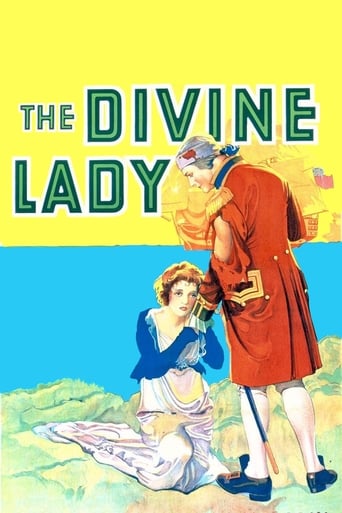
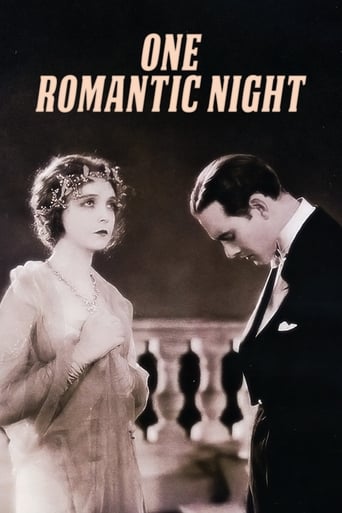
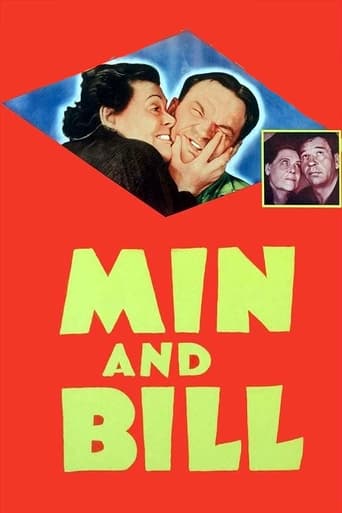

About Marie Dressler
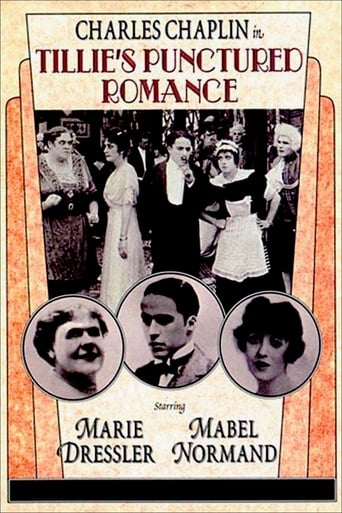
Marie Dressler, born Leila Marie Koerber, was a Canadian-American actress who became one of Hollywood's most beloved and highest-paid stars during the early 1930s. Beginning her career in vaudeville at age 14, she spent decades in theater and struggling film roles before achieving unprecedented success in her 60s. Her breakthrough came with Charlie Chaplin in 'Tillie's Punctured Romance' (1914), but her true stardom emerged with MGM in the sound era. Dressler won the Academy Award for Best Actress for 'Min and Bill' (1930) and received another nomination for 'Emma' (1932), becoming the oldest Best Actress winner at the time. Her films, often co-starring Wallace Beery, dominated box offices during the Great Depression, offering audiences warmth, humor, and hope through her portrayals of resilient, working-class characters. Despite her unconventional appearance, she proved that authenticity and talent could triumph over Hollywood's obsession with youth and beauty. Her career was cut short by cancer in 1934, but her legacy as a actress who defied ageism and beauty standards generations of performers.
The Craft
On Screen
Dressler was renowned for her naturalistic acting style that seamlessly blended broad physical comedy with genuine emotional depth. Her performances were characterized by her remarkably expressive face, warm presence, and unique ability to make audiences laugh and cry within the same scene. She excelled at playing downtrodden but resilient characters who found dignity in their struggles, bringing humanity and warmth to even her most eccentric roles. Her comedy was never mean-spirited; instead, she infused her characters with authenticity and relatability that resonated deeply with Depression-era audiences.
Milestones
- Starred in 'Tillie's Punctured Romance' (1914), one of the first feature-length comedies
- Won Academy Award for Best Actress for 'Min and Bill' (1930)
- Became MGM's highest-paid star in the early 1930s
- Nominated for Academy Award for 'Emma' (1932)
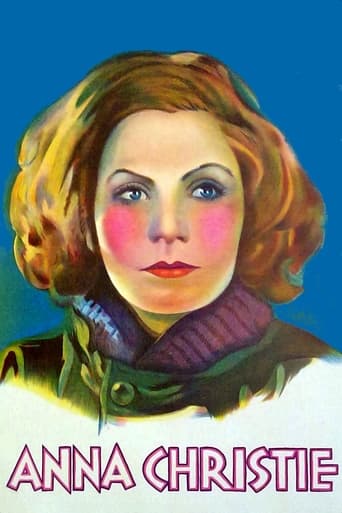
- Starred in successful films like 'Anna Christie' (1930) with Greta Garbo
- Had a successful partnership with Wallace Beery in multiple hit films
- Ranked #21 on AFI's list of greatest female stars of classic Hollywood cinema
Best Known For
Iconic Roles
Must-See Films
Accolades
Won
- Academy Award for Best Actress for Min and Bill (1930)
- New York Film Critics Circle Award for Best Actress for Emma (1932)
Nominated
- Academy Award nomination for Best Actress for Emma (1932)
Special Recognition
- Star on the Hollywood Walk of Fame
- Inducted into Canada's Walk of Fame
- Ranked #21 on AFI's list of greatest female stars of classic Hollywood cinema
Working Relationships
Worked Often With
Studios
Why They Matter
Impact on Culture
Marie Dressler shattered Hollywood's age and beauty barriers, proving that actresses didn't need to be young and glamorous to be box office draws. Her success during the Great Depression provided audiences with relatable characters who embodied resilience and hope in the face of adversity. She was one of the first stars to successfully transition from silent films to sound, demonstrating that talent and personality could overcome technical limitations. Her films often explored themes of class struggle and human dignity, resonating deeply with audiences during one of America's darkest economic periods. Dressler's popularity helped establish more naturalistic acting styles in cinema and paved the way for character actresses to achieve mainstream success.
Lasting Legacy
Dressler's legacy is that of a actress who achieved unprecedented success at an age when most actresses' careers were ending. She proved that authenticity and talent could trump youth and beauty in Hollywood, creating a template for character-driven success. Her films continue to be studied for their masterful blend of comedy and pathos, and she remains an inspiration for actors who don't fit conventional beauty standards. Her Academy Award win at age 63 stood as one of the oldest Best Actress victories in Oscar history for decades. The Marie Dressler Museum in her hometown of Cobourg, Ontario, preserves her memory, and her influence can be seen in the careers of countless character actresses who followed.
Who They Inspired
Dressler influenced generations of character actresses and comedians, showing that unconventional looks could be an asset rather than a liability in Hollywood. Her natural acting style influenced the broader move away from theatrical performances toward more realistic film acting techniques. She paved the way for later actresses like Ethel Barrymore, Beulah Bondi, and Kathy Bates who found success playing character roles rather than conventional leads. Her success also helped establish the viability of older actresses as box office draws, challenging Hollywood's persistent ageism and opening doors for performers at all stages of life.
Off Screen
Dressler was married twice, first to George Hoeppert from 1899 to 1906, and later to James Dalton from 1909 to 1914, with both marriages ending in divorce. She had no children but was known for her maternal nature toward younger performers and her generosity in helping struggling actors and crew members. Her personal life was marked by financial struggles early in her career and by her close friendship with fellow actress Polly Moran. She maintained a close friendship with Queen Marie of Romania and was beloved by her co-stars and crew for her professionalism and kindness.
Education
Limited formal education; she began performing at a young age to help support her family after her father's business failed
Family
- George Hoeppert (1899-1906)
- James Dalton (1909-1914)
Did You Know?
- She was the first Canadian to win an Academy Award
- At the height of her fame, she was Hollywood's highest-paid star
- She began her career at age 14 in a traveling circus
- She was blacklisted by theater producers early in her career for union activities
- She once worked as a cleaning lady to make ends meet during career struggles
- Her comeback in films happened when she was nearly 60 years old
- She wrote an autobiography titled 'The Life Story of an Ugly Duckling'
- She was a close friend of Queen Marie of Romania
- She was one of the first stars to have a personal publicist
- Her death from cancer was front-page news across America
- She helped establish the first actors' union in Canada
- Her final film 'Christopher Bean' was released posthumously
In Their Own Words
You're only as good as your last picture.
I've been a star for 20 years. Do you know what that means? I've been a star for 20 years and I'm still hungry.
I'm not a star. I'm a worker. I work for a living.
Age is only important if you're cheese or wine.
I never thought of myself as beautiful. I thought of myself as a good actress.
Frequently Asked Questions
Who was Marie Dressler?
Canadian-American actress who became one of Hollywood's most popular and highest-paid stars during the early 1930s. She began her career in vaudeville and theater before achieving remarkable film success in her 60s, winning an Academy Award for Best Actress and proving that talent and personality could triumph over age and conventional beauty standards.
What films is Marie Dressler best known for?
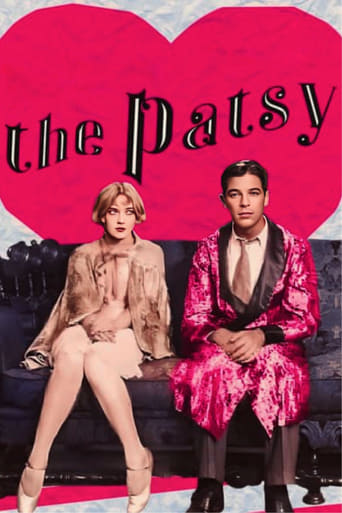
Titles linked here include Tillie's Punctured Romance (1914), The Patsy (1928).
When was Marie Dressler born and when did she die?
Born November 9, 1868; died July 28, 1934.
What awards did Marie Dressler win?
She won the Academy Award for Best Actress for 'Min and Bill' (1930) and received a nomination for Best Actress for 'Emma' (1932). She also won the New York Film Critics Circle Award for 'Emma' and was later ranked #21 on AFI's list of greatest female stars of classic Hollywood cinema.
What was Marie Dressler's acting style?
Dressler was known for her naturalistic style that combined physical comedy with emotional depth. She excelled at playing resilient, working-class characters with warmth and humanity, making audiences laugh and cry in the same performance. Her approach was revolutionary for its authenticity and emotional honesty.
How did Marie Dressler impact Hollywood?
She broke age barriers in Hollywood, proving that older actresses could be major box office draws, and successfully transitioned from silent films to sound, helping establish more naturalistic acting styles in cinema. Her success challenged the industry's obsession with youth and conventional beauty standards.
Was Marie Dressler her real name?
No, her birth name was Leila Marie Koerber. She adopted Marie Dressler as her stage name early in her career, reportedly taking the name from a dressmaker she knew.
Why was Marie Dressler's comeback so remarkable?
Her comeback was extraordinary because she achieved her greatest success and became Hollywood's highest-paid star in her 60s, an age when most actresses' careers were ending. This proved that talent and personality could overcome age and conventional beauty standards in Hollywood.