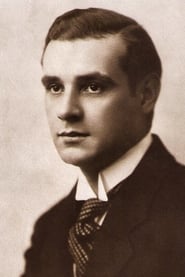
Victor Varconi
Actor
Born: March 18, 1891 in Késmárk, Austria-Hungary (now Kežmarok, Slovakia) Died: June 6, 1976 Active: 1916-1960 Birth Name: Viktor Várkonyi
Films
6 films
About Victor Varconi
Hungarian-born actor who enjoyed a prolific career spanning both European cinema and Hollywood during the silent era and early sound period. Born as Viktor Várkonyi in what was then Austria-Hungary, he began his acting career on the Hungarian stage before transitioning to films in his home country. His striking appearance and commanding presence caught the attention of Hollywood studios, leading to his American debut in the early 1920s. Varconi became one of the more successful European actors in Hollywood, often cast as sophisticated continental gentlemen, romantic leads, or authoritative figures. He demonstrated remarkable adaptability during the challenging transition from silent films to talkies, maintaining his career despite his noticeable accent. Throughout the 1920s and 1930s, he worked with some of Hollywood's most prestigious directors and appeared in numerous significant productions. Although his leading man status gradually diminished in the 1940s, he continued working in character roles until returning to Europe in his later years.
The Craft
On Screen
Varconi was known for his dignified, sophisticated screen presence and his ability to convey deep emotion through subtle facial expressions, particularly valuable during the silent era. His acting style combined European theatrical training with the more naturalistic approach favored in American cinema. He possessed a commanding voice that served him well in talkies, though his Hungarian accent sometimes limited his casting options. Varconi excelled at playing aristocratic characters, romantic leads, and authority figures, bringing a Continental elegance to his roles that him from his American contemporaries.
Milestones
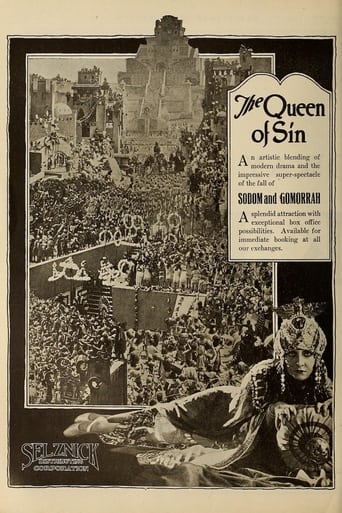
- Starred in the epic Sodom and Gomorrah (1922) directed by Michael Curtiz
- Played leading roles in major Hollywood productions during the silent era
- Successfully transitioned from silent films to talkies
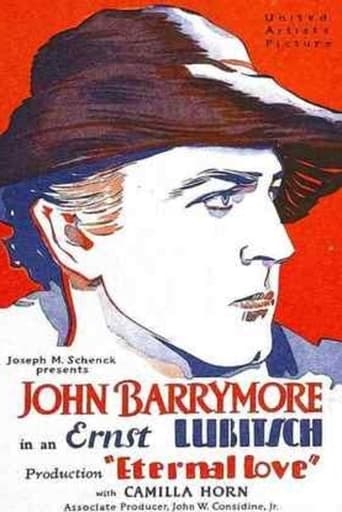
- Worked with acclaimed director Frank Borzage in Eternal Love (1929)
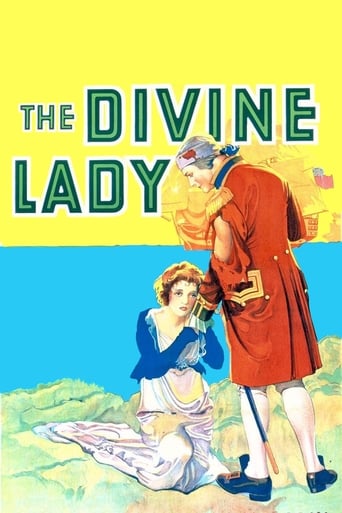
- Appeared in the Academy Award-winning The Divine Lady (1929)
- Served as a character actor in wartime films during the 1940s
Best Known For
Iconic Roles
Must-See Films
Accolades
Special Recognition
- Star on the Hollywood Walk of Fame for Motion Pictures at 6625 Hollywood Boulevard
Working Relationships
Worked Often With
Studios
Why They Matter
Impact on Culture
Victor Varconi represented the successful integration of European theatrical tradition into American cinema during a transformative period in film history. As one of the prominent foreign-born actors in Hollywood during the 1920s, he helped bridge the cultural gap between European and American film styles. His ability to maintain a career through the silent-to-sound transition demonstrated the importance of adaptability for actors in early cinema. Varconi's presence in major Hollywood productions helped normalize the casting of international actors in leading roles, paving the way for future generations of foreign performers in American cinema.
Lasting Legacy
Victor Varconi's legacy lies in his contribution to the internationalization of Hollywood during its formative years. He exemplified the type of sophisticated, European-trained actor who helped elevate the artistic standards of American cinema in the 1920s and 1930s. While not as widely remembered as some of his contemporaries, his body of work represents an important link between European cinematic traditions and the emerging Hollywood studio system. His performances in major silent and early sound films serve as valuable examples of acting techniques during this crucial transitional period in film history.
Who They Inspired
Varconi influenced subsequent generations of European actors in Hollywood by demonstrating that it was possible to maintain a successful career while retaining one's cultural identity. His smooth transition from silent films to talkies provided a model for other foreign actors facing similar challenges. His dignified approach to character portrayal and his refusal to compromise his artistic standards influenced younger actors who valued substance over stardom.
Off Screen
Victor Varconi married actress and screenwriter Irén Ágay in 1925, though the marriage ended in divorce. He later married Lillian Hinton, an American actress, with whom he remained until his death. Unlike many of his Hollywood contemporaries, Varconi maintained a relatively private personal life and avoided the gossip columns. He was known among his colleagues as a serious, intellectual actor who was passionate about his craft and well-read in literature and philosophy. In his later years, he became a naturalized American citizen while maintaining strong ties to his Hungarian heritage.
Education
Trained at the Hungarian Academy of Dramatic Arts in Budapest before beginning his stage career
Family
- Irén Ágay (1925-1930s)
- Lillian Hinton (1930s-1976)
Did You Know?
- Was one of the first Hungarian actors to achieve major success in Hollywood
- His birth name Viktor Várkonyi was anglicized to Victor Varconi for American audiences
- Spoke multiple languages including Hungarian, German, French, and English
- Originally studied law before pursuing acting
- Was considered for the role of Dracula in the 1931 film before Bela Lugosi was cast
- Returned to Europe in the 1950s to appear in several international productions
- His final film appearance was in the Italian production 'The Last Days of Pompeii' (1959)
- Was a close friend of fellow Hungarian actor Bela Lugosi
- Served as an acting coach for younger performers later in his career
- His Hollywood Walk of Fame star was dedicated in 1960
In Their Own Words
Acting is not about becoming someone else, but about revealing the truth within yourself through another character's eyes
The transition from silent to sound was not a challenge of technique, but of soul - we had to learn to speak with our hearts, not just our hands
Frequently Asked Questions
Who was Victor Varconi?
Hungarian-born with credits in this catalog. He was known for his sophisticated, continental roles and his ability to transition successfully from silent films to talkies.
What films is Victor Varconi best known for?
Titles linked here include Sodom and Gomorrah (1922), The King of Kings (1927).
When was Victor Varconi born and when did he die?
Born March 18, 1891; died June 6, 1976.
What awards did Victor Varconi win?
While Victor Varconi did not receive major acting awards during his career, he was honored with a star on the Hollywood Walk of Fame for his contributions to motion pictures, located at 6625 Hollywood Boulevard.
What was Victor Varconi's acting style?
Varconi was known for his dignified, sophisticated screen presence combining European theatrical training with American naturalism. He excelled at conveying emotion through subtle expressions in silent films and brought a Continental elegance to his talkie roles, particularly as aristocratic characters and romantic leads.