
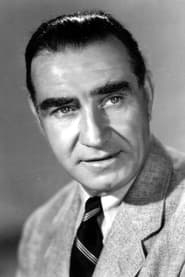
Frank Lloyd
Director
Born: February 2, 1886 in Scotland, United Kingdom Died: August 10, 1960 Active: 1913-1955
Films
14 films
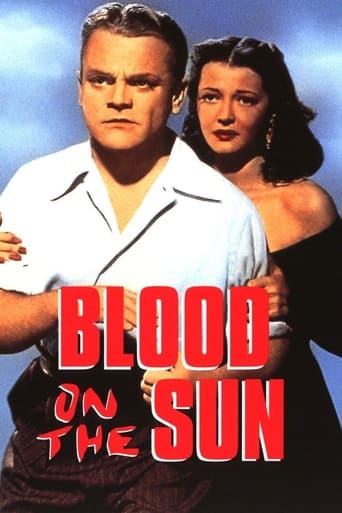
Blood on the Sun
1945
The Sea Hawk
1924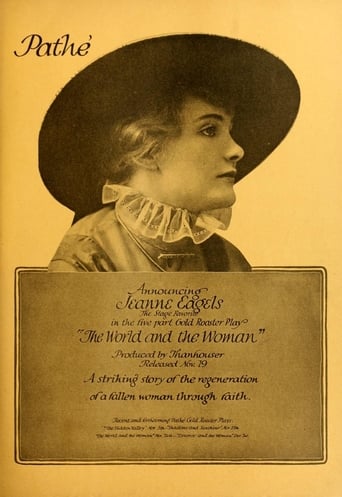
The World and the Woman
1916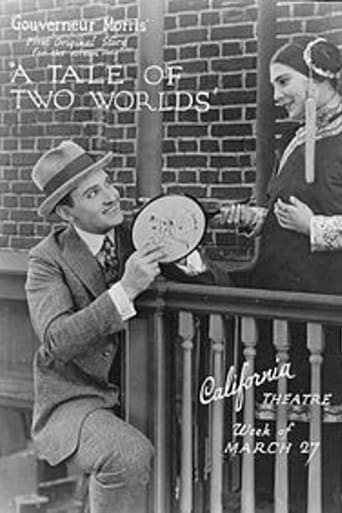
A Tale of Two Worlds
1921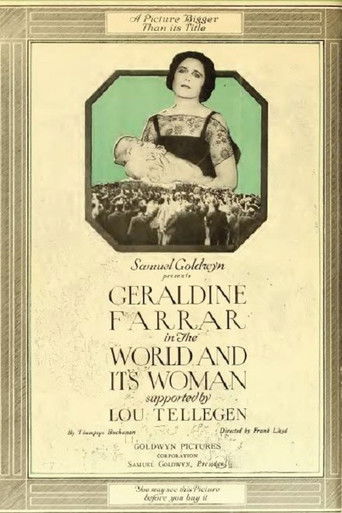
The World and Its Woman
1919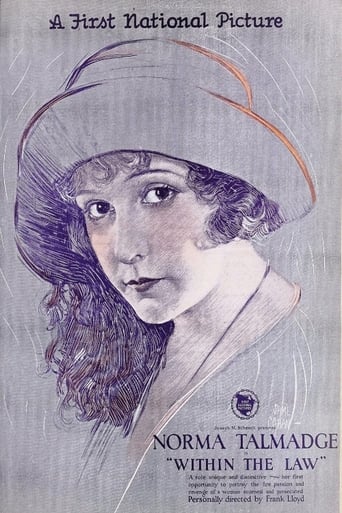
Within the Law
1923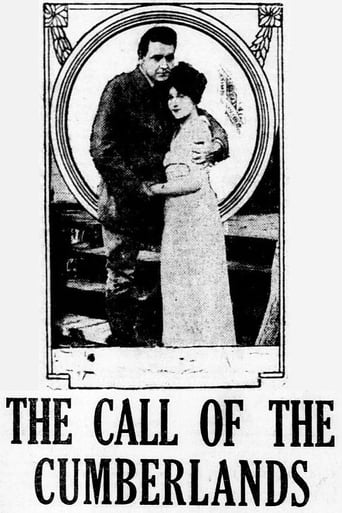
The Call of the Cumberlands
1916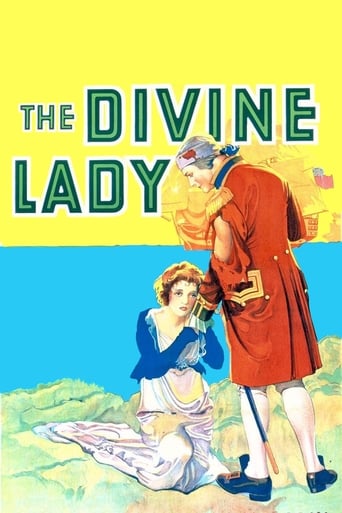
The Divine Lady
1929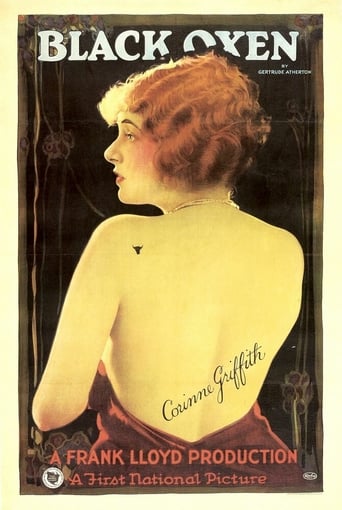
Black Oxen
1923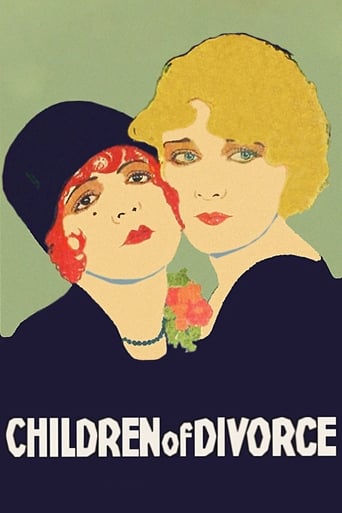
Children of Divorce
1927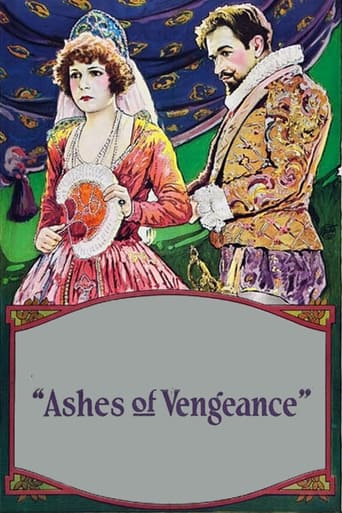
Ashes of Vengeance
1923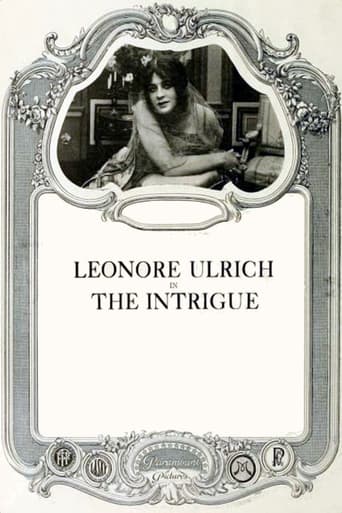
The Intrigue
1916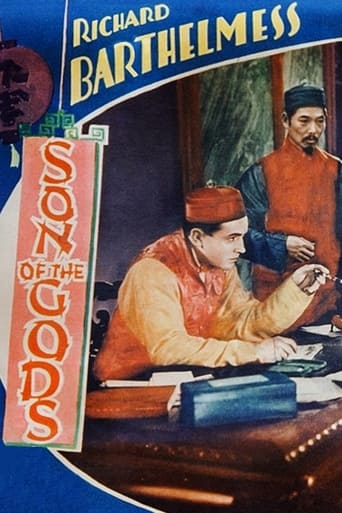
Son of the Gods
1930About Frank Lloyd
Major American film director, producer, and occasional screenwriter: career bridged the silent era and the rise of sound cinema, making him one of the more important craftsmen of classical Hollywood. Born in Scotland and later active in the United States, he came to filmmaking during the formative years of the industry and quickly became known for handling large-scale dramas, literary adaptations, and prestige productions with confidence. In the silent period he directed films such as The World and the Woman, The Call of the Cumberlands, The Intrigue, and A Tale of Two Worlds, establishing a reputation for visual clarity and a polished narrative style. He successfully adapted to talking pictures and continued directing into the 1940s, with notable work including Cavalcade, Mutiny on the Bounty, and With a Smile, each of which demonstrated his ability to manage ensemble casts and emotionally expansive stories. Lloyd was especially admired for his command of melodrama, historical subjects, and star-driven material, and he worked with some of the biggest names in early Hollywood, including Charles Laughton, Clark Gable, William Powell, and Norma Shearer. His career was recognized at the highest level by the Academy, and he is remembered as one of the dependable, directors of Hollywood's studio era. Even after his most active years, his films remained important examples of Hollywood craftsmanship and prestige filmmaking.
The Craft
Behind the Camera
Frank Lloyd's directing style was marked by classical clarity, narrative control, and an emphasis on emotional sweep rather than flashy visual experimentation. He was particularly strong with prestige dramas, literary adaptations, costume pieces, and large ensemble productions that required careful staging and disciplined pacing. His films often balanced sentiment, romance, and tragedy in a manner suited to the tastes of mainstream studio audiences, while still conveying a sense of dignity and scale. He was also adept at working with stars, shaping performances to fit the emotional architecture of the story and making complex narratives easy for audiences to follow. In the silent era he relied on expressive compositions and visual storytelling, while in sound films he preserved a polished, theatrical elegance that helped his productions feel substantial and refined.
Milestones
- Became a prominent silent-era director in the 1910s with sophisticated literary and melodramatic features
- Directed The Divorcée and other successful prestige productions during the transition from silent films to sound
- Won the Academy Award for Best Director for Cavalcade (1933)
- Directed the Academy Award-winning Mutiny on the Bounty (1935), one of the defining adventure dramas of the 1930s
- Built a long career at major studios working with leading stars of the era
- Was nominated multiple times by the Academy and remained respected for his command of large-scale narrative filmmaking
- Worked steadily across silent films, early talkies, and mid-1930s studio epics
Best Known For
Must-See Films
Accolades
Won
- Academy Award for Best Director for Cavalcade (1933)
- Academy Award for Best Picture nomination for Cavalcade (1933) as a producer/director associated with the film's recognition
- Academy Award for Best Director nomination for Mutiny on the Bounty (1935)
- Academy Award for Best Director nomination for The Divine Lady (1929)
- Academy Award for Best Director nomination for Lady Hamilton (1931)
Nominated
- Academy Award nomination for Best Director for The Divine Lady (1929)
- Academy Award nomination for Best Director for Lady Hamilton (1931)
- Academy Award nomination for Best Director for Cavalcade (1933)
- Academy Award nomination for Best Director for Mutiny on the Bounty (1935)
Special Recognition
- Academy Award recognition as one of the leading directors of the 1930s
- Lasting inclusion in histories of major Hollywood studio-era directors
Working Relationships
Worked Often With
Studios
Why They Matter
Impact on Culture
Frank Lloyd helped define the prestige side of early Hollywood, especially in the silent period and the first decades of sound, when studios relied on directors who could bring literary material, historical subjects, and emotionally resonant melodrama to the screen with authority. His films contributed to the vocabulary of American prestige production: careful staging, ensemble acting, polished production values, and an emphasis on narrative clarity. Because he worked on both silent and sound films, he also stands as an example of a director who successfully negotiated one of cinema's most difficult transitions without losing professional stature. His Academy Award-winning work, particularly Cavalcade and Mutiny on the Bounty, became reference points for large-scale dramatic filmmaking and helped shape audience expectations for epic storytelling in Hollywood. In the broader cultural memory of classic cinema, he represents the dependable, highly skilled studio director whose films gave major stars and major stories their cinematic form.
Lasting Legacy
Frank Lloyd's legacy rests on his status as one of the accomplished craftsmen of classic Hollywood, a director who could move from silent-era melodramas to elaborate sound-era epics while remaining commercially and critically respected. His Academy Award recognition places him among the most honored directors of the early studio period, and films like Cavalcade and Mutiny on the Bounty remain essential examples of 1930s prestige filmmaking. He is also important historically because his career spans a crucial transformation in film language, from visually expressive silent cinema to dialogue-driven sound productions. Although he is less widely discussed today than some of his contemporaries, historians of classic cinema continue to value him for his professionalism, adaptability, and his role in shaping the tone of mainstream prestige pictures. His work remains part of the foundation of Hollywood's narrative and production traditions, especially in the genre of historical drama.
Who They Inspired
Frank Lloyd influenced later studio directors by demonstrating how to balance emotional grandeur with narrative discipline, especially in prestige projects that needed to satisfy both critics and mass audiences. His handling of large ensemble casts and historical material became a model for classical Hollywood production values. Directors working in the epic and melodramatic traditions inherited aspects of his approach to pacing, performance control, and dignified visual storytelling. His success with both silent and sound films also offered an example of professional adaptability that later filmmakers could admire.
Off Screen
Frank Lloyd was born in Scotland and later built his career in the American film industry, where he spent most of his working life. He maintained a relatively private personal life compared with many Hollywood figures of his era, and surviving accounts focus much more heavily on his professional achievements than on extensive family publicity. Like many directors of the silent and early sound periods, he moved through the studio system with an emphasis on work rather than celebrity persona. His name is frequently associated with the disciplined professionalism of classic Hollywood rather than scandal or flamboyant public behavior.
Education
Specific formal education details are not well documented in readily available classic-cinema references; he is primarily known through his practical training and professional development in early filmmaking.
Did You Know?
- He was born in Scotland but became an important figure in American cinema.
- He worked steadily from the silent era into the mature sound era, a transition that many directors did not survive professionally.
- Cavalcade and Mutiny on the Bounty are among the best-known films associated with his name.
- He directed both intimate dramas and large-scale historical productions, showing notable range within the studio system.
- His career included collaborations with some of the biggest stars of the 1930s, including Clark Gable and Charles Laughton.
- He won the Academy Award for Best Director for Cavalcade, one of the top honors in early Hollywood.
- He is not to be confused with the American actor Frank Lloyd or other similarly named entertainment figures.
Frequently Asked Questions
Who was Frank Lloyd?
Scottish-born American on YTB.my. He is best remembered for prestige dramas, historical epics, and literary adaptations, including Cavalcade and Mutiny on the Bounty.
What films is Frank Lloyd best known for?
Titles linked here include The World and the Woman (1916), The Call of the Cumberlands (1916).
When was Frank Lloyd born and when did he die?
Born February 2, 1886; died August 10, 1960.
What awards did Frank Lloyd win?
He won the Academy Award for Best Director for Cavalcade (1933). He was also nominated for Best Director for several other films, including The Divine Lady, Lady Hamilton, and Mutiny on the Bounty.
What was Frank Lloyd's directing style?
His directing style was classical, polished, and highly controlled, with a strong emphasis on narrative clarity and emotional breadth. He excelled at ensemble drama, historical subjects, and prestige productions that required elegant staging and strong performances.
What is Frank Lloyd's legacy in film history?
Frank Lloyd is remembered as one of the dependable major directors of the studio era, especially notable for helping shape prestige filmmaking in both silent and sound cinema. His work helped define Hollywood's approach to large-scale drama, and his Academy Award-winning films remain part of the canon of classic American movies.