Ashes of Vengeance
"Huguenot hearts — noble vengeance"
Keys: Space play/pause · ←/→ 10s · F fullscreen · M mute · </> speed
About this film
In Huguenot France, persecuted nobleman Giacomo loves sister of his enemy in Norma Talmadge historical epic. Ashes of Vengeance (1923) runs two hours of costume romance and revenge.
Cast & crew
More films like this


More Drama films
View all →







More from Frank Lloyd
View all →
More about this film
About the production
Release dateNovember 4, 1923
ProductionNorma Talmadge Productions, Joseph M. Schenck Productions
Filmed inHollywood, California, Metro Studios
The film was among the costliest productions of its time, featuring elaborate period costumes and extensive sets recreating 16th century France. Norma Talmadge personally oversaw the historical accuracy of the costumes and props, consulting with French historians. The battle sequences required hundreds of extras and were filmed over several weeks. The production faced challenges with the historical costumes, which were heavy and restrictive for the actors during the summer filming in California. This was Talmadge's longest film to date at two hours, requiring more extensive location shooting and complex staging than her previous works.
Themes
Religious persecutionForbidden loveFamily loyaltyHistorical injusticePersonal sacrifice
Themes & topics
Huguenot16th century FranceReligious conflictHistorical romanceServitudeRevengeFamily feudPeriod dramaBattle sequencesNobility
Historical background
Ashes of Vengeance (1923) was among Talmadge's longest costume features at peak stardom.
Why this film matters
Talmadge epics trained audiences in historical romance before sound dialogue replaced intertitles.
Making of
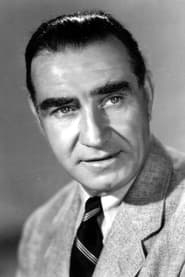
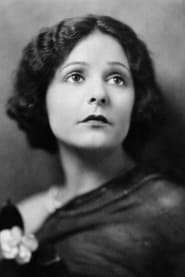
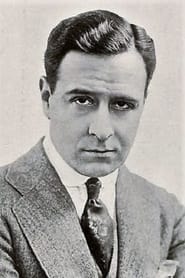
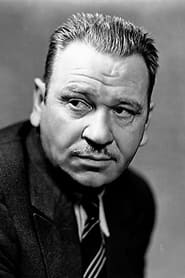
The production of 'Ashes of Vengeance' was a massive undertaking for Norma Talmadge Productions, requiring unprecedented resources for a Talmadge film. Director Frank Lloyd insisted on historical authenticity, bringing in experts on 16th century French culture and architecture. The relationship between Talmadge and co-star Conway Tearle was reportedly strained off-screen, which ironically enhanced their on-screen chemistry in the romantic scenes. Wallace Beery, playing against type as the villain, developed a reputation for his method approach to the character, often remaining in character between takes. The film's extensive battle sequences were choreographed by military advisors and required coordination of over 300 extras. Talmadge, known for her perfectionism, personally approved every costume and prop, often making multiple changes to achieve the desired historical accuracy. The production faced several delays due to weather issues and the complexity of the large-scale historical scenes, ultimately going over budget by nearly 30%.
What critics said
Fans adored Talmadge; critics noted length but praised production values.
Did you know?
- This was Norma Talmadge's 37th feature film and marked her fourth collaboration with director Frank Lloyd
- The film's sets were so elaborate and expensive that they were reused in several other historical productions of the era
- Wallace Beery, who played the antagonist, would later become one of Hollywood's biggest stars in the 1930s
- The Huguenot costumes weighed up to 40 pounds each, causing significant discomfort for the actors during filming
- Norma Talmadge's sister Constance Talmadge made an uncredited cameo appearance in the film
- The film's title was changed from 'The Huguenot' to 'Ashes of Vengeance' during production to better market the romantic elements
- A fire on set destroyed several expensive costumes, delaying production for two weeks
- The film was one of the first to use historical consultants to ensure period accuracy
- Talmadge performed many of her own stunts in the battle sequences, unusual for a star of her stature
- The premiere was held at the newly constructed Grauman's Egyptian Theatre in Hollywood
Awards & recognition
- Photoplay Magazine Medal of Honor - Winner (1923)
Visual style
The cinematography by Tony Gaudio and James Wong Howe employed innovative techniques for capturing large-scale historical scenes. The film utilized extensive location shooting and elaborate studio sets, requiring complex lighting setups to achieve period atmosphere. The battle sequences were filmed using multiple cameras to capture the scope of the action, a technique still relatively new in 1923. The cinematographers employed soft focus techniques for the romantic scenes, creating a dreamlike quality that contrasted with the harsh realism of the battle sequences. The film's visual style emphasized the contrast between the opulence of the French aristocracy and the suffering of the Huguenots through careful composition and lighting choices. The use of shadow and light was particularly effective in creating mood during the film's darker moments, showcasing the sophisticated understanding of cinematic lighting that was developing during this period.
Innovations
The film featured several technical innovations for its time, including the use of matte paintings to extend the scale of the historical sets. The production employed newly developed lighting techniques that allowed for more naturalistic indoor scenes, a significant improvement over the flat lighting common in earlier films. The battle sequences utilized innovative camera placement, including shots from elevated platforms to capture the scope of the action. The film's costume department developed new methods for creating historically accurate armor that was lighter and more comfortable for actors. The production also pioneered techniques for simulating fire and destruction effects safely on set, which were used in the film's climactic scenes. These technical achievements contributed to the film's reputation as among the leading technically sophisticated productions of its era.
Music
As a silent film, 'Ashes of Vengeance' was accompanied by a musical score compiled by the studio's music department. The original score incorporated classical French music from the 16th and 17th centuries, along with original compositions by studio musicians. Major theaters showing the film employed full orchestras to perform the score, while smaller venues used piano accompaniment. The music emphasized the film's emotional moments, with romantic themes for the love scenes and dramatic, militaristic pieces for the battle sequences. The score was carefully synchronized with the on-screen action, using musical cues to enhance the narrative's emotional impact. Some theaters also employed sound effects during the battle scenes, using various percussion instruments to create the illusion of swords clashing and cannons firing.
Famous quotes
Love knows no creed, nor recognizes the bounds of hatred that men create in God's name." - Norma Talmadge's character
In the ashes of vengeance, a new hope may rise, like a phoenix from the flames." - Opening intertitle
To serve you is my burden, but to love you is my destiny." - Conway Tearle's character
History will judge us not by our faith, but by our humanity." - Wallace Beery's character
Memorable scenes
- The climactic battle sequence during the St. Bartholomew's Day Massacre, featuring hundreds of extras and elaborate pyrotechnic effects
- The secret meeting between the lovers in the castle garden, filmed with soft focus lighting and romantic intertitles
- The opening sequence establishing the historical context of religious conflict in 16th century France
- The confrontation scene between the brothers and the protagonist, showcasing the film's dramatic tension
- The final escape sequence combining action, romance, and historical spectacle
What audiences thought
The film was a commercial success upon its release, particularly popular with female audiences who responded to Talmadge's strong central performance. Theater reports indicated that the film played to capacity houses in major cities throughout late 1923 and early 1924. Audiences were particularly drawn to the elaborate costumes and sets, which were heavily promoted in marketing materials. The romantic elements of the story resonated strongly with viewers, making it one of Talmadge's most popular films of the period. Some audience members found the historical subject matter educational, leading several schools to organize special screenings for students studying European history. The film's success at the box office helped establish Talmadge Productions as a major force in Hollywood and demonstrated the commercial viability of female-led production companies.
Film connections
Influenced by
- The Huguenot historical novels of the 19th century
- Earlier French historical epics
- Shakespearean tragedies
- Contemporary European historical dramas
- Victorian literature on French history
This film influenced
- The Hunchback of Notre Dame (1923)
- The Merry Widow (1925)
- The Eagle (1925)
- The Scarlet Letter (1926)
- The Iron Mask (1929)
Film restoration
The film is partially preserved with several reels existing in film archives, though some sequences are considered lost or in poor condition. Prints are held at the Library of Congress and the Museum of Modern Art. Some restoration work has been completed, but the film has not been fully restored to its original length. Surviving footage varies in quality, with some sequences showing significant deterioration. The film exists in various shortened versions that were created for re-release in the late 1920s.
Where to watch
- Available on DVD from specialty silent film distributors
- Screenings at silent film festivals and classic cinema events
- Some versions available on streaming platforms specializing in classic films
- Archival screenings at film museums and cinematheques
- Public domain versions may be found on internet archives, though quality varies significantly