
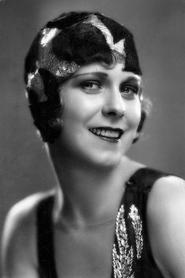
Betty Francisco
Actor
Born: September 26, 1900 in Little Rock, Arkansas, USA Died: November 25, 1950 Active: 1923-1927 Birth Name: Elizabeth Arthur
Films
3 films
About Betty Francisco
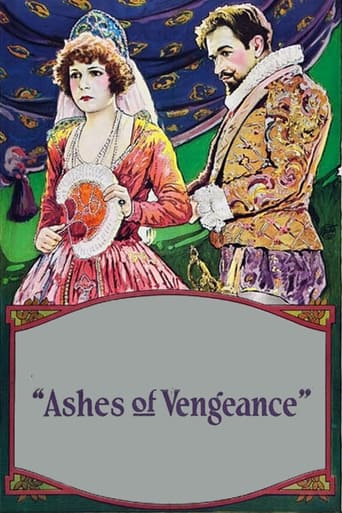
American actress who rose to prominence during the silent film era of the 1920s. Born Elizabeth Arthur, she began her career after winning a beauty contest and was quickly signed by major studios in Hollywood. Throughout her brief but notable career, she appeared in over 20 silent films, often portraying sophisticated, elegant women and vamp characters that reflected the changing social norms of the Jazz Age. Her most significant performances came in 'Ashes of Vengeance' (1923) opposite Norma Talmadge and 'Long Pants' (1927) with Harry Langdon, which showcased her ability to convey complex emotions through the subtle art of silent film acting. As the film industry transitioned to sound in the late 1920s, Francisco's career, like many of her silent-era contemporaries, began to decline. She married businessman Harold H. Davis in 1928 and subsequently retired from acting, disappearing from public life until her death in 1950 at age 50.
The Craft
On Screen
Betty Francisco was known for her sophisticated screen presence and ability to portray elegant, often seductive characters typical of the silent era. Her acting style emphasized facial expressions and body language, crucial for conveying emotion in silent films. She had a particular talent for playing complex female characters who often challenged the social norms of the 1920s, embodying the modern, independent woman archetype that was emerging during the Jazz Age. Her performances were characterized by subtle gestures and expressive eyes that could convey deep emotion without dialogue.
Milestones
- Breakthrough role in Ashes of Vengeance (1923)
- Leading role opposite Harry Langdon in Long Pants (1927)
- Contract player with major studios during silent era
- Transition from beauty contest winner to successful film actress
- Appeared in over 20 films during her 5-year career
Best Known For
Iconic Roles
Must-See Films
Working Relationships
Worked Often With
Studios
Why They Matter
Impact on Culture
Betty Francisco represented the archetype of the sophisticated silent film actress who embodied the changing roles of women in the 1920s. Her performances reflected the era's fascination with modern, independent female characters who challenged traditional Victorian norms and embraced the newfound freedoms of the Jazz Age. Though her career was brief, she contributed to the golden age of silent cinema and exemplified the type of actress who often struggled with the transition to sound films. Her work in films like 'Long Pants' helped establish certain character archetypes that would continue throughout film history, particularly the sophisticated, slightly dangerous woman who both attracted and intimidated male protagonists.
Lasting Legacy
Betty Francisco's legacy lies primarily in her contribution to silent film history as a representative actress of the era. Her films, particularly 'Long Pants' with Harry Langdon, remain valuable artifacts of silent comedy and drama, studied by film historians and enthusiasts. While not as remembered as some of her contemporaries like Clara Bow or Louise Brooks, she represents the many talented actors who flourished briefly during the silent era but whose careers were cut short by technological changes in the industry. Her story illustrates the precarious nature of fame in early Hollywood and the challenges faced by actors when the industry underwent dramatic transformations.
Who They Inspired
As a silent film actress, Betty Francisco influenced the portrayal of sophisticated female characters in early Hollywood cinema. Her work helped establish certain character archetypes that would continue throughout film history, particularly the elegant, complex woman who could be both alluring and dangerous. Her career trajectory also exemplifies the challenges faced by many silent actors when the industry transitioned to sound, serving as a cautionary tale about the fleeting nature of fame in the rapidly evolving entertainment business. Her performances continue to be studied by film scholars interested in the representation of women in silent cinema.
Off Screen
Betty Francisco married wealthy businessman Harold H. Davis in 1928, which likely contributed to her early retirement from films. She kept a relatively low public profile after leaving the entertainment industry, avoiding the Hollywood spotlight that had defined her earlier years. Her life after Hollywood was marked by privacy and seclusion, and she rarely gave interviews or made public appearances. She remained married to Davis until her death from a heart attack at age 50. Francisco was known to be close to her sister Evelyn Francisco, who was also an actress during the silent era.
Education
Limited information available, but she likely received education in Little Rock before moving to pursue her film career in Hollywood
Family
- Harold H. Davis (1928-1950)
Did You Know?
- Won a beauty contest that launched her film career
- Her real name was Elizabeth Arthur
- She was often typecast as a sophisticated society woman
- Her active years covered only about 5 years, from 1923 to 1927
- She retired from films shortly after marrying Harold H. Davis
- She was part of the transition from silent to sound films
- Her sister, Evelyn Francisco, was also an actress
- She appeared in over 20 films during her brief career
- Her final film appearances coincided with the beginning of the sound era
- She was known for her distinctive dark beauty and elegant screen presence
- She worked with some of the biggest stars of the silent era including Norma Talmadge and Harry Langdon
Frequently Asked Questions
Who was Betty Francisco?
American actress who worked primarily in silent films during the 1920s. She was known for her sophisticated screen presence and appeared in notable films like 'Ashes of Vengeance' (1923) and 'Long Pants' (1927). Her career was brief but representative of many silent era actors who struggled with the transition to sound films.
What films is Betty Francisco best known for?
Titles linked here include Ashes of Vengeance (1923), Long Pants (1927).
When was Betty Francisco born and when did she die?
Born September 26, 1900; died November 25, 1950.
What awards did Betty Francisco win?
There are no documented major awards or nominations for Betty Francisco. This was not uncommon for actors of her era, as many formal industry awards like the Academy Awards were just being established during her brief career.
What was Betty Francisco's acting style?
Betty Francisco was known for her sophisticated screen presence and ability to portray elegant, often seductive characters typical of the silent era. Her acting emphasized facial expressions and body language, crucial for conveying emotion in silent films. She excelled at playing complex female characters who often challenged the social norms of the 1920s.
Why did Betty Francisco's career end so early?
Betty Francisco's career ended around 1927, coinciding with the transition from silent films to talkies. Like many silent era actors, she may have struggled with this technological change. Additionally, her marriage to businessman Harold H. Davis in 1928 likely contributed to her decision to retire from acting.
Was Betty Francisco related to other actors?
Yes, Betty Francisco's sister, Evelyn Francisco, was also an actress who worked during the silent era. Both sisters found success in Hollywood during the 1920s, though Betty achieved greater recognition.
What was Betty Francisco's real name?
Betty Francisco's birth name was Elizabeth Arthur. She adopted her stage name when she entered the film industry, a common practice among actors of her era. The name 'Francisco' was likely chosen for its exotic appeal to audiences of the time.