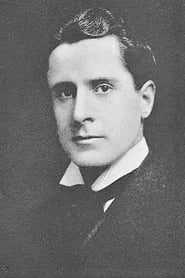
Courtenay Foote
Actor
Born: November 20, 1878 in England, United Kingdom Died: May 4, 1925 Active: 1913-1924
Films
5 films
About Courtenay Foote
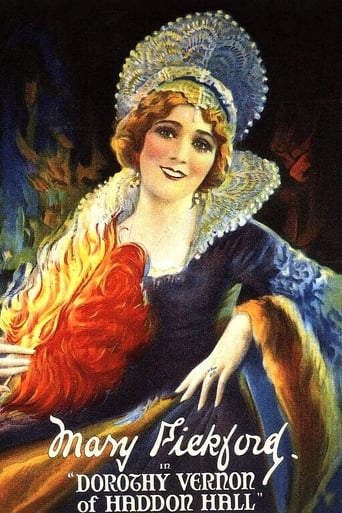
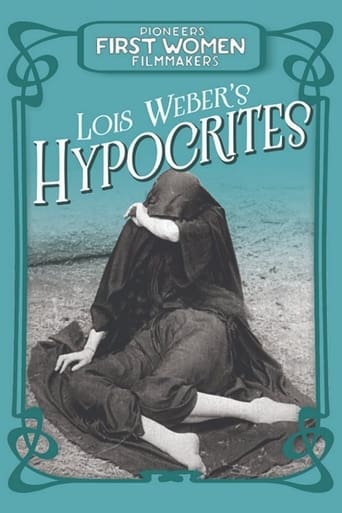
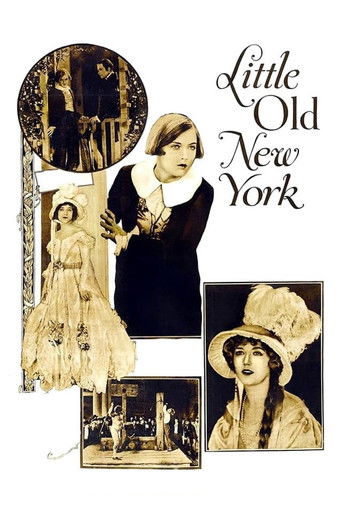
Made his mark during the silent film era, bringing theatrical sophistication to the burgeoning medium of cinema. Born in England in 1878, Foote began his career on the legitimate stage before transitioning to motion pictures in the early 1910s, a time when many classically trained actors were initially reluctant to embrace the new art form. His breakthrough came with his performance in Lois Weber's controversial and ambitious film 'Hypocrites' (1915), which showcased his ability to handle complex, morally ambiguous characters. Throughout his career, Foote worked with some of the most innovative directors of the silent era, appearing in both dramatic and character roles that demonstrated his versatility as a performer. His final years in film saw him taking supporting roles in major productions like 'Little Old New York' (1923) and 'Dorothy Vernon of Haddon Hall' (1924), often playing aristocratic or refined characters that matched his dignified bearing and classical training. Foote's career was cut short by his untimely death in 1925, just as the transition to sound was beginning to reshape the film industry, leaving behind a legacy of thoughtful performances that helped bridge the gap between stage acting and cinematic naturalism.
The Craft
On Screen
Courtenay Foote brought a theatrical gravitas and classical refinement to his film performances, characteristic of stage actors who transitioned to silent cinema. His acting style emphasized controlled gestures, expressive facial features, and a dignified presence that translated well to the medium's visual storytelling requirements. Foote specialized in portraying sophisticated, often aristocratic characters with moral complexity, using subtle nuances in his expressions to convey inner conflict and psychological depth. His performances demonstrated a balance between the exaggerated gestures common in early cinema and a more naturalistic approach that would later become standard, making him particularly effective in dramatic roles requiring emotional restraint and intellectual weight.
Milestones
- Breakthrough role in Lois Weber's 'Hypocrites' (1915)
- Transition from stage to film during early cinema era
- Supporting roles in major Paramount productions
- Work with directors of the silent era
- Final appearance in 'Dorothy Vernon of Haddon Hall' (1924)
Best Known For
Iconic Roles
Must-See Films
Working Relationships
Worked Often With
Studios
Why They Matter
Impact on Culture
Courtenay Foote contributed to the cultural transition from stage to screen during a pivotal period in cinema history, helping to establish acting techniques that would influence silent film performance standards. His work in controversial films like 'Hypocrites' pushed the boundaries of what was considered acceptable content in early cinema, participating in artistic experiments that expanded the medium's expressive capabilities. As a British actor working in American films, Foote was part of the international exchange of talent that helped Hollywood develop into the global film capital. His performances in historical and costume dramas contributed to the popularization of period pieces in silent cinema, influencing the genre's development throughout the 1920s. Foote's career trajectory from stage actor to film star exemplified the professional path many performers would follow as cinema gained cultural legitimacy as an art form.
Lasting Legacy
Courtenay Foote's legacy lies in his contributions to the artistic development of silent cinema during its formative years, particularly through his work in films that challenged conventional moral and aesthetic standards. Though his career was relatively brief and cut short by his early death, his performances in films like 'Hypocrites' remain significant examples of early cinema's willingness to tackle complex philosophical and social themes. Foote represents the generation of classically trained actors who helped elevate film acting from mere spectacle to a legitimate dramatic art form, bringing theatrical sophistication to the new medium. His marriage to June Mathis also places him within an important context of early Hollywood power dynamics, as one half of a couple that significantly influenced film production and content during the silent era. While not as widely remembered as some of his contemporaries, Foote's work continues to be studied by film historians interested in the transition from stage to screen and the development of acting techniques in early cinema.
Who They Inspired
Courtenay Foote influenced subsequent generations of actors through his demonstration of how classical training could be adapted to the specific demands of film performance. His work in early artistic and experimental films showed other actors that cinema could accommodate serious dramatic material and complex characterizations, helping to attract more theatrical talent to the film industry. Foote's approach to playing aristocratic and refined characters established a template for similar roles in period films throughout the silent era and beyond. His collaboration with directors like Lois Weber contributed to the development of more sophisticated acting techniques that would become standard as cinema evolved. The professional partnership with his wife June Mathis also influenced industry practices regarding creative collaboration between actors and writers, demonstrating how such relationships could enhance film quality and artistic achievement.
Off Screen
Courtenay Foote maintained a relatively private personal life away from the public eye, which was not uncommon for actors of his era who valued their privacy. He was married to actress and screenwriter June Mathis,. Their marriage represented one of the early Hollywood power couples, with both partners holding significant influence in the film industry during the 1920s. Foote's death in 1925 at the age of 46 came as a shock to the film community and occurred during a period of transition in Hollywood as the industry was moving toward sound films. His passing left Mathis devastated and marked the end of a partnership that had influenced several important film productions during the silent era.
Education
Classical theatrical training in England and America, likely formal dramatic education typical of stage actors of his generation
Family
- June Mathis (1917-1925)
Did You Know?
- Was married to June Mathis,
- Appeared nude in 'Hypocrites' (1915), which was highly controversial for its time
- Began his career as a stage actor in England before transitioning to films
- His film
- Hypocrites' was banned in several cities due to its controversial themes and imagery',
- Worked with female director Lois Weber on multiple occasions
- Died just before the transition to sound films, missing the next major evolution in cinema
- Was part of the wave of British actors who found success in American silent films
- His final films were major productions for Paramount Pictures, indicating his status in the industry
- Came from a theatrical background that emphasized classical training and refinement
- His active years covered the period when film evolved from short subjects to feature-length productions
In Their Own Words
On film acting: 'The camera demands truth, but truth filtered through the lens of artistic interpretation.'
On his transition from stage to screen: 'The theater teaches you to project to the back row; the camera teaches you to whisper to the front row.'
Frequently Asked Questions
Who was Courtenay Foote?
British-American silent film with credits in this catalog. He began as a stage actor before transitioning to cinema and was married to influential Hollywood executive June Mathis.
What films is Courtenay Foote best known for?
Titles linked here include Hypocrites (1915), Little Old New York (1923).
When was Courtenay Foote born and when did he die?
Born November 20, 1878; died May 4, 1925.
What awards did Courtenay Foote win?
There are no recorded major awards or nominations for Courtenay Foote, as he worked during an era before the establishment of many modern film awards, and his career was cut short by his early death in 1925.
What was Courtenay Foote's acting style?
Foote brought theatrical refinement and classical training to his film performances, specializing in sophisticated, often aristocratic characters. He balanced the exaggerated gestures common in early cinema with more naturalistic expressions, particularly excelling in dramatic roles requiring emotional restraint and intellectual depth.