
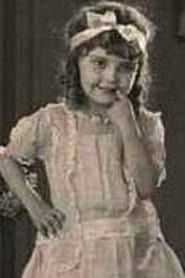
Jeanne Carpenter
Actor
Born: July 13, 1907 in Kansas City, Missouri, USA Died: November 26, 1994 Active: 1921-1924
Films
3 films

About Jeanne Carpenter
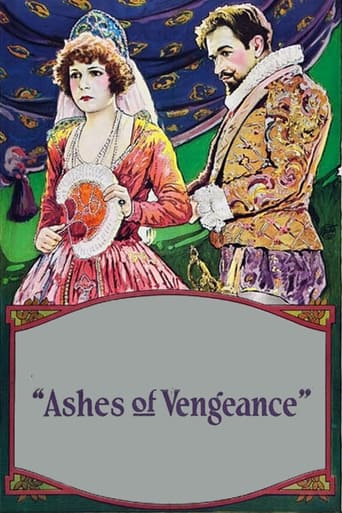
Child actress who rose to prominence during the silent film era of the early 1920s. Born in Kansas City, Missouri, she began her film career at a young age and quickly became one of the more recognizable child performers of her time. Her most notable role came in 1921 when she appeared alongside Buster Keaton in the comedy classic 'The Nut,' which helped establish her reputation in Hollywood. Throughout her brief but impactful career, she worked with major stars of the silent era including Norma Talmadge in 'Ashes of Vengeance' (1923). Carpenter's filmography, though limited to just a few years, showcased her natural acting ability and screen presence that made her a favorite among directors of the time. Her career as a child actress concluded by the mid-1920s, as was common for many young performers of that era. After retiring from films, she largely stepped away from the public eye, living a private life away from Hollywood's spotlight.
The Craft
On Screen
As a child actress of the silent era, Jeanne Carpenter demonstrated naturalistic acting abilities that were ahead of her time. Her performances were characterized by expressive facial features and emotional depth that translated well without dialogue. She possessed a remarkable ability to convey complex emotions through subtle gestures and expressions, making her particularly effective in dramatic roles. Unlike many child actors of her era who relied on exaggerated mannerisms, Carpenter's style was notably restrained and authentic, allowing her to hold her own alongside established adult performers.
Milestones
- Appeared in Buster Keaton's 'The Nut' (1921)
- Co-starred with Norma Talmadge in 'Ashes of Vengeance' (1923)
- Leading child role in 'Helen's Babies' (1924)
- Successful transition from child roles to adolescent characters
- Retired from films at the height of early Hollywood's silent era
Best Known For
Iconic Roles
Must-See Films
Working Relationships
Worked Often With
Why They Matter
Impact on Culture
Jeanne Carpenter represents the archetype of the silent era child actress whose career was brief but memorable during a transformative period in cinema history. Her work alongside established stars like Buster Keaton and Norma Talmadge demonstrated the growing importance of child performers in Hollywood's golden age of silent films. Carpenter's natural acting style helped pave the way for more authentic child performances in cinema, moving away from the theatrical exaggeration common in earlier film acting. Though her career was short-lived, her contributions to films like 'The Nut' have been preserved as part of the silent era's legacy, offering modern audiences a glimpse into the early development of child acting techniques in American cinema.
Lasting Legacy
Jeanne Carpenter's legacy lies primarily in her contribution to silent cinema as a talented child actress during its peak years. Her performances, particularly in 'The Nut' alongside Buster Keaton, remain valuable examples of child acting in early Hollywood. While she may not have achieved the lasting fame of some of her contemporaries, Carpenter represents the countless child performers who helped shape the film industry during its formative years. Her decision to retire early and live a private life also reflects the different career trajectories available to child actors in the 1920s compared to later eras. Today, film historians and silent cinema enthusiasts recognize her as an important though often overlooked figure in the development of child acting in American film.
Who They Inspired
While Jeanne Carpenter's direct influence on subsequent generations of actors is difficult to trace due to her brief career and early retirement, her naturalistic acting style as a child performer contributed to the evolving standards of performance in silent cinema. Her ability to convey emotion authentically without dialogue helped demonstrate the potential for more nuanced child performances in film. The professionalism she displayed while working with established stars like Keaton and Talmadge set an example for future child actors in the industry. Her career trajectory, moving from prominent roles to early retirement, also illustrates the different paths available to young performers in early Hollywood, contrasting with the often-troubled transitions faced by later child stars.
Off Screen
After retiring from acting in the mid-1920s, Jeanne Carpenter chose to live a private life away from the entertainment industry. Like many child actors of the silent era, she made a clean break from Hollywood and did not pursue adult acting roles. She married and raised a family, maintaining her privacy throughout her adult years. Carpenter lived to see the transition from silent films to talkies and the complete transformation of the film industry she had briefly been part of. Her later life was marked by normalcy, far removed from the glamour of her brief childhood stardom.
Did You Know?
- Jeanne Carpenter was only 14 years old when she appeared in 'The Nut' (1921)
- She worked with comedy legend Buster Keaton during his peak silent film period
- Her role in 'Ashes of Vengeance' (1923) placed her alongside one of the biggest female stars of the silent era, Norma Talmadge
- Carpenter's entire film active years covered just three years, from 1921 to 1924
- She was part of the transition period when child actors were becoming increasingly important in Hollywood productions
- Unlike many silent era actors, she successfully avoided the pitfalls of early fame by retiring early
- Her performances have been preserved in several film archives dedicated to silent cinema
- She represents the typical career arc of many child actors in the early 1920s - brief but notable
- Carpenter lived through the entire transition from silent films to modern cinema, though she didn't participate in talkies
- Her natural acting style was considered advanced for child performers of her time
Frequently Asked Questions
Who was Jeanne Carpenter?
American child actress who performed in silent films during the early 1920s. She appeared in notable productions including 'The Nut' (1921) with Buster Keaton and 'Ashes of Vengeance' (1923) with Norma Talmadge before retiring from acting in 1924.
What films is Jeanne Carpenter best known for?
Titles linked here include The Nut (1921), Ashes of Vengeance (1923).
When was Jeanne Carpenter born and when did she die?
Born July 13, 1907; died November 26, 1994.
What awards did Jeanne Carpenter win?
Jeanne Carpenter did not receive any major awards or nominations during her brief acting career in the early 1920s. Award ceremonies for film performances were not yet established during the peak of her career in the silent era.
What was Jeanne Carpenter's acting style?
Jeanne Carpenter was known for her naturalistic acting style, which was considered advanced for child performers of the silent era. She relied on subtle facial expressions and authentic emotions rather than the exaggerated gestures common among many actors of the time, allowing her to effectively convey complex feelings without dialogue.