Conway Tearle
Actor
Born: May 17, 1878 in New York City, New York, USA Died: October 1, 1938 Active: 1914-1936 Birth Name: Conway Rutherford Tearle
Films
4 films
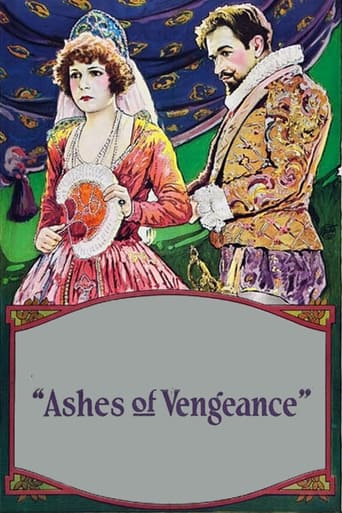
About Conway Tearle
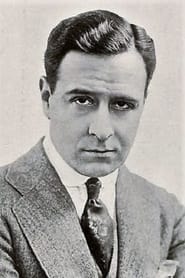
Conway Rutherford Tearle — American actor who rose to prominence during the silent film era as one of Hollywood's most romantic leading men. Born into a theatrical family in 1878, Tearle began his career on the stage before transitioning to films in the mid-1910s. His tall, dark, and handsome appearance made him an ideal romantic hero, and he frequently starred opposite some of the era's biggest female stars, including Mary Pickford, Norma Talmadge, and Clara Bow. Throughout the 1920s, Tearle appeared in numerous successful silent films, establishing himself as a reliable box office draw known for his sophisticated demeanor and commanding screen presence. As the film industry transitioned to sound, Tearle struggled to adapt his style to the new medium, though he continued appearing in supporting roles into the early 1930s. His nearly two decades in cinema, during which he appeared in over 70 films. Tearle's legacy remains that of a quintessential silent era leading man who embodied the romantic ideals of early Hollywood cinema before fading from prominence as the industry evolved.
The Craft
On Screen
Conway Tearle was known for his refined, dignified acting style that emphasized romantic intensity and emotional restraint. As a product of the theatrical tradition, he brought a stage actor's gravitas to his film performances, using his imposing physical presence and deep voice to create memorable romantic leads. His technique relied heavily on expressive eyes and subtle facial gestures rather than the exaggerated pantomime common in early silent films. Tearle's performances were characterized by a certain aristocratic bearing and sophisticated charm that made him particularly effective in roles as gentlemen, aristocrats, and romantic heroes. He possessed a natural elegance that translated well to the screen, allowing him to convey deep emotion through minimal movement and controlled intensity.
Milestones
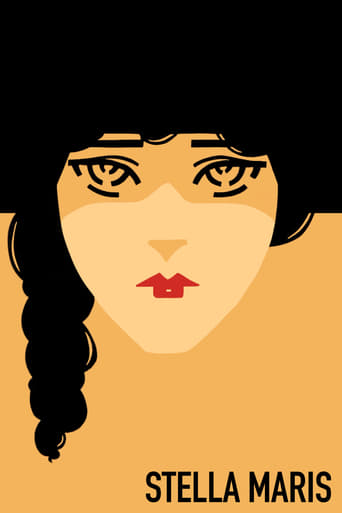
- Starred opposite Mary Pickford in the dual role classic Stella Maris (1918)
- Played leading roles in major productions for Paramount Pictures and other studios
- Successfully transitioned from stage to silent film career
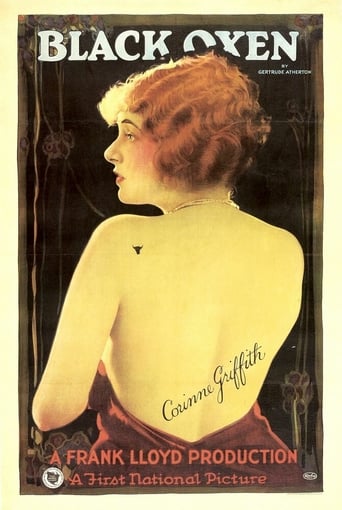
- Appeared in Black Oxen (1923), a controversial film that addressed age and rejuvenation
- Worked with prominent directors of the silent era including Frank Lloyd and Maurice Tourneur
Best Known For
Iconic Roles
Must-See Films
Working Relationships
Worked Often With
Studios
Why They Matter
Impact on Culture
Conway Tearle represented the ideal romantic leading man of the silent era, embodying the sophistication, elegance, and emotional intensity that audiences of the 1910s and 1920s craved in their film heroes. His tall, dark, handsome appearance set a visual standard for leading men that would influence Hollywood casting for decades. By starring opposite the era's biggest female stars, Tearle helped establish the template for the romantic pairing that would become central to Hollywood cinema. His performances in films like Stella Maris demonstrated how silent film actors could convey complex emotions through subtle expression rather than theatrical exaggeration, contributing to the evolution of screen acting techniques. Tearle's career trajectory also illustrates the challenges faced by silent era stars when transitioning to sound films, making his story emblematic of a pivotal moment in cinema history.
Lasting Legacy
Conway Tearle's legacy endures as a representative figure of the golden age of silent cinema and the romantic leading men who defined that era. While his name may not be as widely recognized today as some of his contemporaries, his contributions to early Hollywood helped establish the archetypes and conventions that would shape romantic cinema for generations. His performances in classic silent films remain important examples of the sophisticated acting style that emerged as cinema matured beyond its primitive beginnings. Film historians and silent cinema enthusiasts continue to study his work as an exemplar of the transition from theatrical to cinematic acting techniques. Tearle's career serves as a reminder of the many talented actors who built the foundation of Hollywood's Golden Age, even if their names have faded from popular memory over time.
Who They Inspired
Conway Tearle influenced subsequent generations of leading men through his embodiment of the sophisticated, emotionally restrained romantic hero. His approach to screen acting, which emphasized subtle expression over theatrical gesture, helped pave the way for more naturalistic film performances. Younger actors studying his work learned how to convey deep emotion through minimal movement and controlled intensity, techniques that would become increasingly important as cinema evolved. While he didn't directly mentor many actors who would become major stars, his performances served as a model for the type of dignified, aristocratic leading man that would remain popular throughout Hollywood's Golden Age. His collaborations with the era's biggest female stars also helped establish the dynamic between leading men and women that would become central to Hollywood's romantic films for decades to come.
Off Screen
Conway Tearle came from a theatrical family, with his father Godfrey Tearle being a noted English actor and his mother Marianne Conway also an actress. He married twice during his lifetime, first to actress Adeline de Forest in 1910, with whom he had a son before their divorce in 1921. His second marriage was to actress Barbara Barondess in 1931, which lasted until his death in 1938. Despite his on-screen romantic image, Tearle was known as a private individual who preferred to keep his personal life away from the public eye. He struggled with health issues in his later years, which contributed to his reduced film appearances during the early sound era. Tearle passed away at the age of 60 in Hollywood, leaving behind a legacy as one of the silent era's most leading men.
Education
Educated in England and the United States; received theatrical training from his father and through stage experience
Family
- Adeline de Forest (1910-1921)
- Barbara Barondess (1931-1938)
Did You Know?
- Came from a theatrical family with both parents being actors
- His father Godfrey Tearle — renowned English stage actor
- Stood 6'2" tall, which contributed to his commanding screen presence
- Was originally considered for the role of Rhett Butler in Gone with the Wind before the film was cast
- Spoke with a slight English accent despite being American-born due to his upbringing
- Was one of the few silent era actors who successfully maintained his career into the early sound period
- His son Conway Tearle Jr. Attempted to follow in his father's footsteps as an actor but had limited success
- Was known for his meticulous approach to costume and appearance, often bringing his own wardrobe elements to film sets
- Served in the British Army during World War I before returning to his acting career
- Was a skilled horseman and performed many of his own stunts in western and adventure films
In Their Own Words
The silent screen demanded a different kind of truth than the stage. We had to speak with our eyes, not our voices.
Romance on film isn't about grand declarations; it's about the small moments that speak volumes.
Every actor must find their own truth in a role. Mine has always been in the quiet intensity of human emotion.
Frequently Asked Questions
Who was Conway Tearle?
American with credits in this catalog. Known for his tall, dark, handsome appearance and sophisticated acting style, he starred opposite many of the era's biggest female stars including Mary Pickford and Norma Talmadge.
What films is Conway Tearle best known for?
Titles linked here include Stella Maris (1918), Black Oxen (1923).
When was Conway Tearle born and when did he die?
Born May 17, 1878; died October 1, 1938.
What awards did Conway Tearle win?
Despite his successful career during the silent film era, Conway Tearle did not receive major formal awards or nominations during his lifetime. This was common for many actors of his era, as the Academy Awards were not established until 1929, near the end of his peak career period.
What was Conway Tearle's acting style?
Conway Tearle was known for his refined, dignified acting style that emphasized romantic intensity and emotional restraint. Drawing from his theatrical background, he used his imposing physical presence and subtle facial expressions to create memorable romantic leads, preferring sophisticated understatement to the exaggerated acting common in early silent films.
Did Conway Tearle successfully transition to sound films?
Conway Tearle struggled with the transition to sound films, as did many silent era stars. While he continued appearing in films into the early 1930s, his roles became increasingly smaller and less prominent. His career declined during this period, though he did manage to work in supporting roles for several years after the advent of sound.
Was Conway Tearle married and did he have children?
Conway Tearle was married twice. His first marriage was to actress Adeline de Forest from 1910 to 1921, with whom he had a son named Conway Tearle Jr. His second marriage was to actress Barbara Barondess from 1931 until his death in 1938.