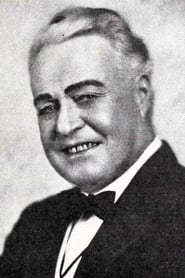
Howard Truesdale
Actor
Born: June 10, 1869 in Milwaukee, Wisconsin, USA Died: January 26, 1942 Active: 1923-1925
Films
2 films
About Howard Truesdale
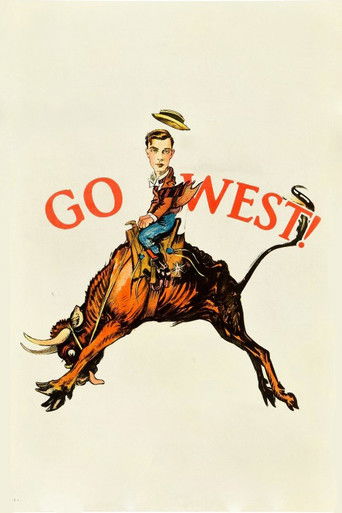
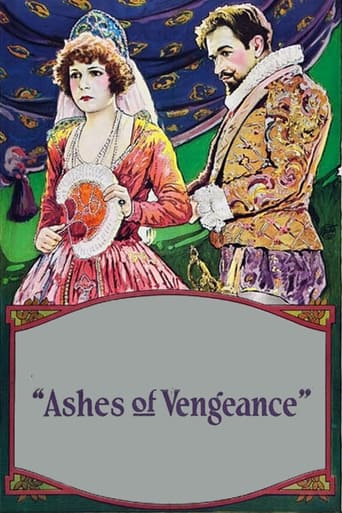
Character actor during the silent film era, primarily active in the early 1920s. Howard appears in supporting roles in several notable productions of the period, working alongside some of the biggest stars of the day. His brief but memorable career included appearances in both dramatic features and comedies, showcasing his versatility as a performer. Truesdale worked with major studios and directors of the silent era, though he never achieved leading man status. His most recognizable film appearances came in 1923's 'Ashes of Vengeance' starring Norma Talmadge and Buster Keaton's 1925 comedy 'Go West.' Like many character actors of his era, his career was relatively short-lived, spanning roughly two to three years during the peak of silent cinema. His contributions, while not extensively documented, represent the typical journey of many supporting actors who helped populate the golden age of silent film.
The Craft
On Screen
As a character actor in the silent era, Truesdale employed the exaggerated physical expressions and gestures typical of the period. His style would have emphasized clear visual storytelling through facial expressions and body language to convey emotion and character without dialogue. Like many supporting actors of his time, he likely adapted his performance style to fit both dramatic and comedic contexts.
Milestones
- Appeared in Norma Talmadge's 'Ashes of Vengeance' (1923)
- Featured role in Buster Keaton's 'Go West' (1925)
- Supporting actor in major silent film productions
- Character actor during the peak of silent cinema
Best Known For
Iconic Roles
Must-See Films
Working Relationships
Worked Often With
Studios
Why They Matter
Impact on Culture
Howard Truesdale represents the countless character actors who formed the backbone of silent cinema, providing essential support to leading stars and helping create the early Hollywood films. While not a household name, his contributions to films like 'Ashes of Vengeance' and 'Go West' helped define the visual language of silent era storytelling. His work exemplifies how supporting actors of the period were crucial in establishing mood, context, and authenticity in film productions.
Lasting Legacy
Howard Truesdale's legacy lies in his participation in two significant films of the silent era that have survived as important examples of 1920s cinema. His appearance in Buster Keaton's 'Go West' ensures his place in film history, as Keaton's comedies are studied and celebrated worldwide. Though his career was brief, his work shows the many character actors who made silent films possible, contributing their craft to an art form that would evolve into modern cinema.
Who They Inspired
As a supporting actor during the transitional period of early Hollywood, Truesdale's influence would have been primarily through his work with major stars of the era. His performances in successful productions helped demonstrate the importance of strong character actors in supporting leading performers, a lesson that continues to influence casting and filmmaking today.
Off Screen
Howard Truesdale was born in the post-Civil War era and lived through the transformation of American entertainment from stage to silent film. As an older actor when he entered films (in his 50s), he brought life experience to his character roles. He spent his later years away from the film industry, passing away in 1942 at the age of 72, having witnessed the transition from silent films to sound cinema.
Did You Know?
- Began his film career relatively late in life at age 54
- Appeared in both dramatic and comedy genres during his brief film tenure
- Worked with two of the biggest stars of the silent era: Norma Talmadge and Buster Keaton
- His film active years covered only about two years during the height of silent cinema
- is now considered one of Buster Keaton's classic comedies
- His birth year of 1869 places him among the older generation of silent film actors
- He lived to see the transition from silent films to sound cinema
- His death in 1942 came during Hollywood's Golden Age, long after his acting career ended
Frequently Asked Questions
Who was Howard Truesdale?
American character with credits in this catalog. He appeared in supporting roles in notable productions including 'Ashes of Vengeance' (1923) and Buster Keaton's 'Go West' (1925). His career was brief but spanned both dramatic and comedic films during the peak of the silent era.
What films is Howard Truesdale best known for?
Titles linked here include Ashes of Vengeance (1923), Go West (1925).
When was Howard Truesdale born and when did he die?
Born June 10, 1869; died January 26, 1942.
What awards did Howard Truesdale win?
There are no recorded awards or nominations for Howard Truesdale. Like many character actors of the silent era, his contributions were not formally recognized through awards, though his work in major productions helped establish the foundation of early Hollywood cinema.
What was Howard Truesdale's acting style?
As a silent film actor, Howard Truesdale employed the typical visual acting style of the era, using exaggerated facial expressions and body language to convey emotion and character. His style would have emphasized clear visual storytelling without dialogue, adapting to both dramatic and comedic requirements of his roles.