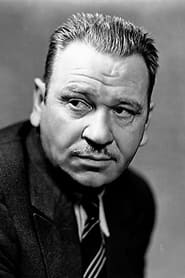
Wallace Beery
Actor
Born: April 1, 1885 in Clay County, Missouri, USA Died: April 15, 1949 Active: 1913-1949 Birth Name: Wallace Fitzgerald Beery
Films
33 films
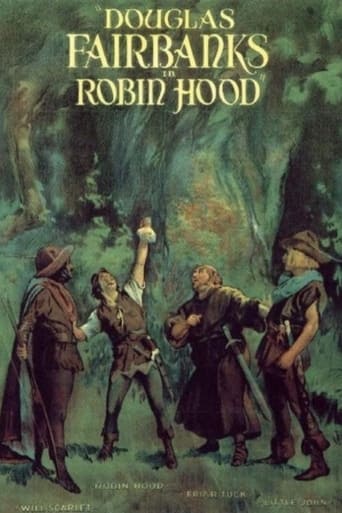
Robin Hood
1922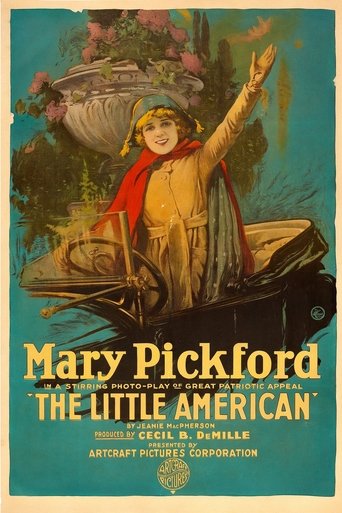
The Little American
1917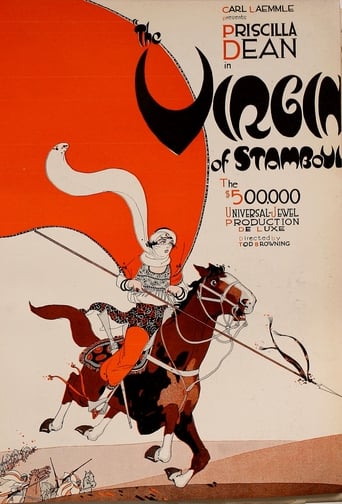
The Virgin of Stamboul
1920
The Sea Hawk
1924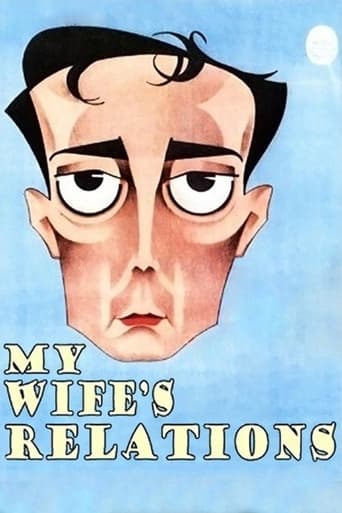
My Wife's Relations
1922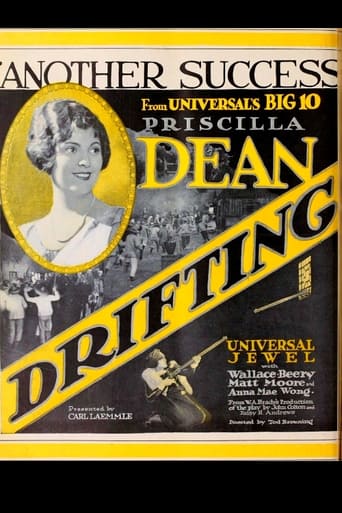
Drifting
1923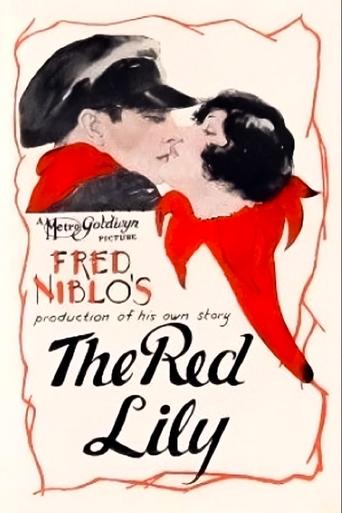
The Red Lily
1924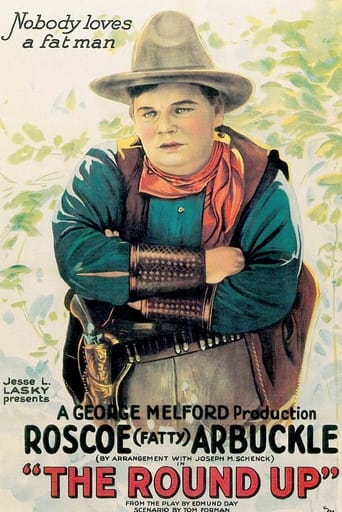
The Round-Up
1920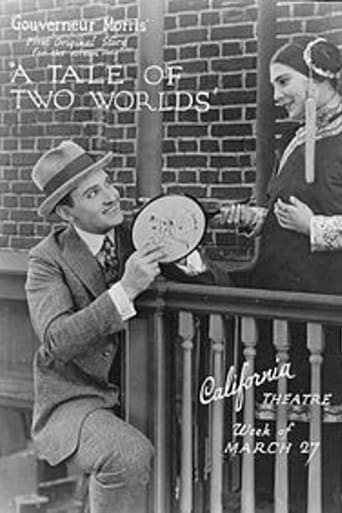
A Tale of Two Worlds
1921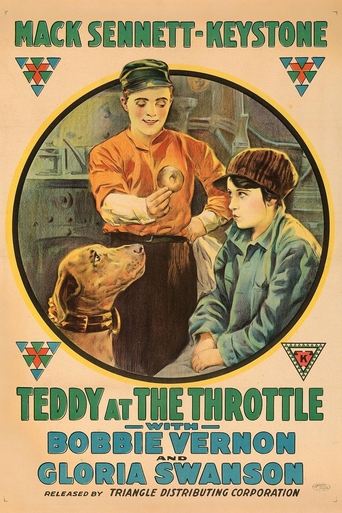
Teddy at the Throttle
1917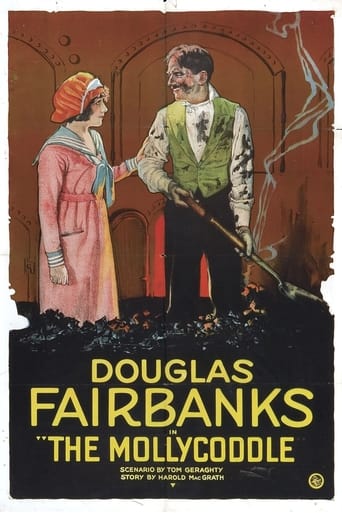
The Mollycoddle
1920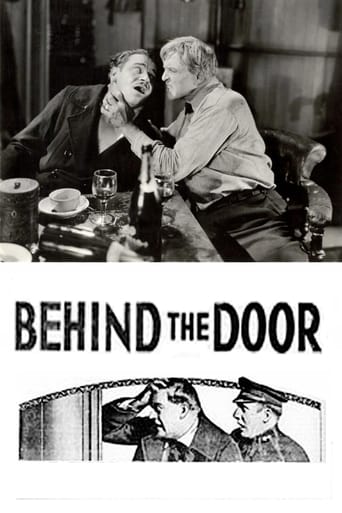
Behind the Door
1919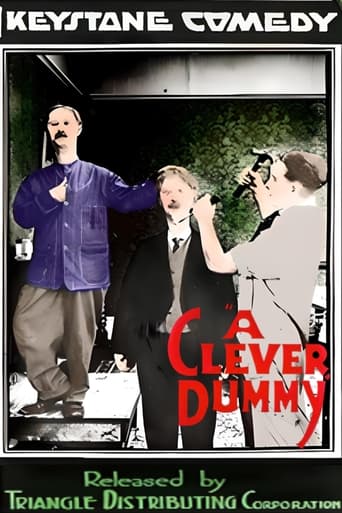
A Clever Dummy
1917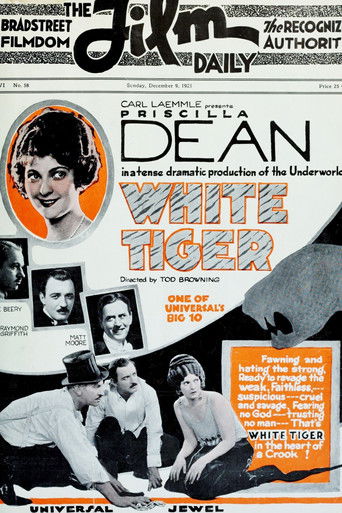
White Tiger
1923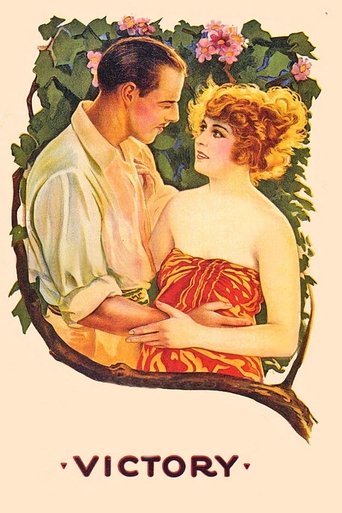
Victory
1919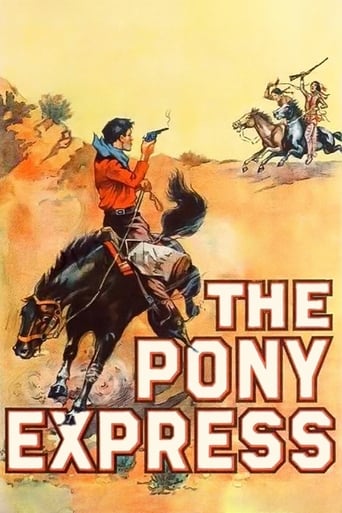
The Pony Express
1925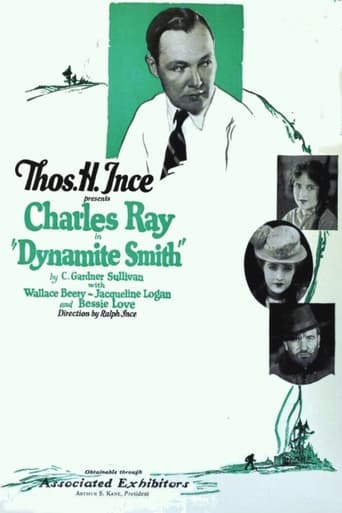
Dynamite Smith
1924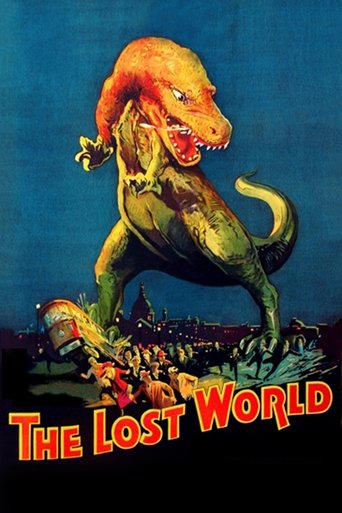
The Lost World
1925
Three Ages
1923
The Spanish Dancer
1923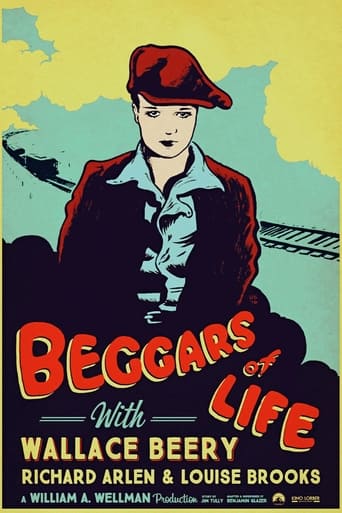
Beggars of Life
1928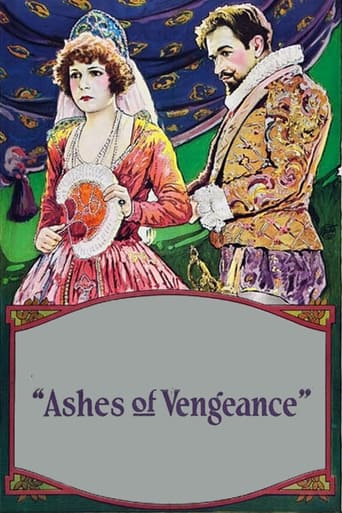
Ashes of Vengeance
1923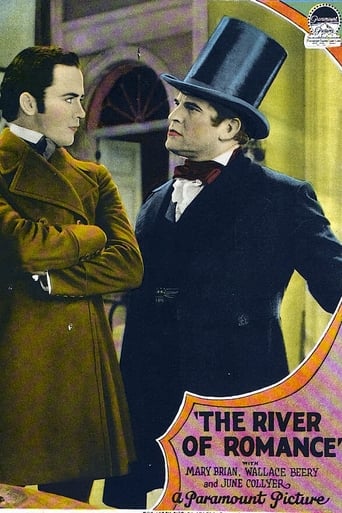
The River of Romance
1929
Old Ironsides
1926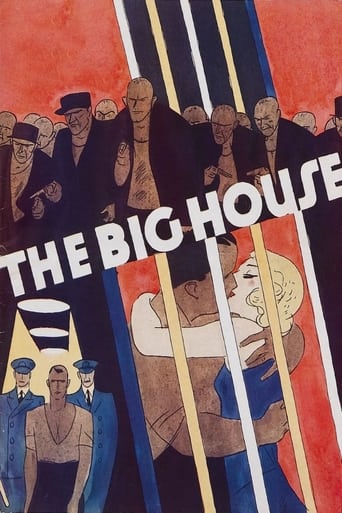
The Big House
1930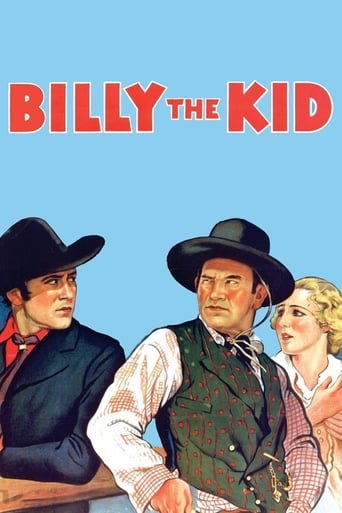
Billy the Kid
1930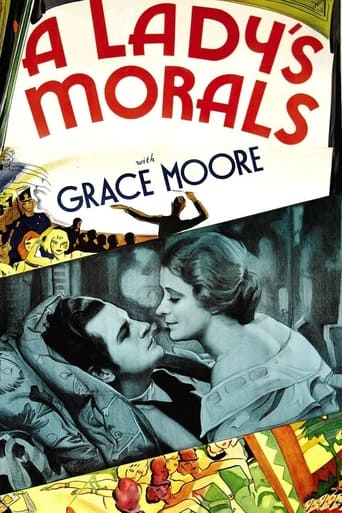
A Lady's Morals
1930
Johanna Enlists
1918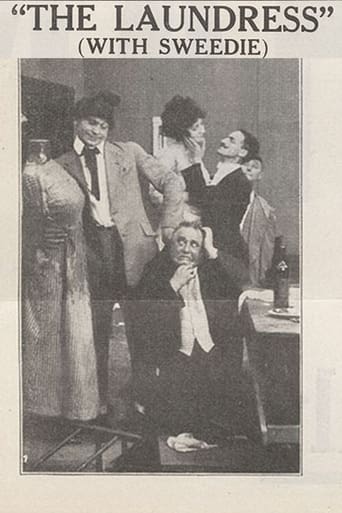
The Laundress
1914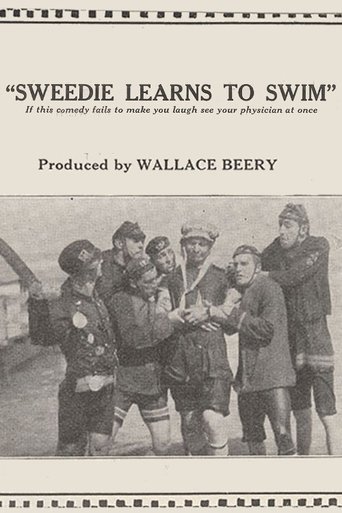
Sweedie Learns to Swim
1914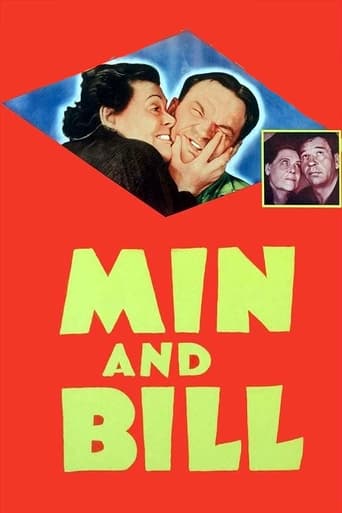
Min and Bill
1930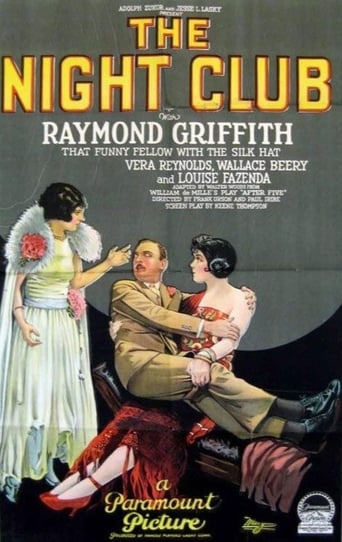
The Night Club
1925About Wallace Beery
Wallace Beery was one of Hollywood's most prolific and distinctive character actors, known for his gravelly voice, imposing physical presence, and ability to play both menacing villains and lovable roughnecks. Beginning his career in silent films with Essanay Studios in 1913, Beery transitioned successfully to talkies despite his vocal limitations, becoming one of MGM's most valuable contract players during the 1930s. His breakthrough came with his Academy Award-winning performance as a washed-up boxer in 'The Champ' (1931), which established his signature persona of the tough but tender-hearted rogue. Beery's over three decades and more than 250 films, making him prolific actors of his era. He was particularly effective in roles that required a balance of menace and pathos, often playing fathers, gangsters, or authority figures with hidden depths. His performances in films like 'Grand Hotel' (1932), 'Dinner at Eight' (1933), and 'Treasure Island' (1934) showcased his remarkable range and cemented his status as a bankable star. Despite his often gruff on-screen persona, Beery was one of the highest-paid actors in Hollywood during the 1930s, commanding an impressive $3,000 per week at the height of his popularity.
The Craft
On Screen
Beery developed a distinctive acting style characterized by his gravelly voice, lumbering physical presence, and ability to convey both menace and vulnerability simultaneously. He specialized in playing rough-edged characters with hearts of gold, using his natural gruffness to create memorable anti-heroes. His technique often involved a subtle blend of comedic timing and dramatic intensity, allowing him to excel in both comedy and dramatic roles. Beery's approach was notably naturalistic for his era, avoiding the theatrical gestures common in silent films and instead relying on his expressive face and distinctive voice to convey emotion.
Milestones
- Academy Award for Best Actor for 'The Champ' (1931)
- Starred in 'Grand Hotel' (1932), winner of Best Picture
- Became MGM's highest-paid actor in the 1930s
- Made over 250 films in his 36-year career
- Successful transition from silent films to talkies
- Memorable performance as Long John Silver in 'Treasure Island' (1934)
Best Known For
Iconic Roles
Must-See Films
Accolades
Won
- Academy Award for Best Actor - The Champ (1931)
- Venice Film Festival Volpi Cup - Viva Villa! (1934)
- Photoplay Gold Medal - The Champ (1931)
Nominated
- Academy Award nomination for Best Actor - The Big House (1930)
- Academy Award nomination for Best Actor - Viva Villa! (1934)
Special Recognition
- Hollywood Walk of Fame star at 1634 Vine Street
- One of the Top 10 Box Office Stars in America (1932-1935)
- Inducted into the Hall of Famous Missourians (2010)
Working Relationships
Worked Often With
Studios
Why They Matter
Impact on Culture
Wallace Beery significantly shaped the archetype of the lovable rogue in American cinema, creating a template for the tough-but-tender character that would be emulated by generations of actors. His success in transitioning from silent films to sound demonstrated that character actors with distinctive voices could thrive in the talkie era, challenging the industry's bias toward classically trained actors. Beery's popularity during the Great Depression reflected audiences' appetite for down-to-earth, working-class heroes who triumphed against adversity. His portrayal of paternal figures, particularly in 'The Champ' and 'Treasure Island,' helped establish enduring cinematic archetypes of the flawed but loving father figure. The commercial success of his films proved that character actors could carry major studio productions, leading to more opportunities for non-leading-man types in Hollywood.
Lasting Legacy
Wallace Beery's legacy endures through his extensive body of work and the lasting influence of his distinctive acting style on subsequent generations of character actors. His Academy Award for 'The Champ' remains. Beery's portrayal of Long John Silver set the standard for all subsequent interpretations of the character, influencing everyone from Robert Newton in the 1950s to modern versions. His success helped establish MGM's reputation for producing successful family entertainment and demonstrated the commercial viability of films centered on character-driven stories rather than just glamorous stars. Film historians continue to study Beery's career as an example of how actors with unconventional looks and voices could achieve stardom through talent and screen presence alone.
Who They Inspired
Beery influenced numerous actors who followed him, particularly those who built careers playing rough-edged characters with hidden depths. His naturalistic approach to dialogue delivery and his ability to balance comedy with drama inspired performers like Spencer Tracy, Walter Brennan, and later, actors such as Charles Durning and Ernest Borgnine. The template he created for the lovable rogue character can be seen in the work of actors from John Wayne to Russell Crowe. His success proved that character actors could become bankable stars, paving the way for performers like Peter Lorre, Sydney Greenstreet, and others who might not have fit the traditional leading man mold. Beery's technique of using his physical limitations as strengths rather than weaknesses influenced generations of actors who didn't conform to Hollywood's conventional standards of appearance or voice.
Off Screen
Wallace Beery's personal life was as colorful and dramatic as his film roles, marked by multiple marriages, family tragedies, and a reputation for being difficult off-screen. He married actress Gloria Swanson in 1916, but their tumultuous marriage ended in divorce in 1919, with Swanson later claiming Beery had physically abused her. His second marriage to Rita Gilman in 1924 lasted until his death, though they were separated for many years. Tragedy struck in 1937 when his 16-year-old daughter from his first marriage, Phyllis Ann, died unexpectedly. Despite his gruff screen persona, Beery was known to be generous with co-stars and crew, though he maintained a reputation for being moody and sometimes difficult to work with on set.
Education
Attended Kansas City Athletic Club for boxing training; left school early to pursue various jobs including circus performer and bartender before entering films
Family
- Gloria Swanson (1916-1919)
- Rita Gilman (1924-1949)
Did You Know?
- He was one of the highest-paid actors in the world during the 1930s, earning $3,000 per week at MGM
- Beery ran away from home at age 16 to join the circus as an elephant trainer
- He worked as a bartender in Chicago before entering films
- His distinctive voice was the result of a throat injury from a boxing match
- Despite his tough-guy image, he was reportedly afraid of mice
- He and Marie Dressler formed
- His Oscar win for 'The Champ' was controversial - he allegedly tied with Fredric March but won by a single vote
- Beery was the uncle of actor Noah Beery Sr., making him grand-uncle to Noah Beery Jr.
- He once knocked out director King Vidor during an argument on set
- His final film appearance was in 'Big Jack' (1949), released after his death
In Their Own Words
I'm not an actor. I'm a movie star. There's a difference.
When you're as ugly as I am, you either have to be funny or tough. I chose to be both.
The secret to my success? I never tried to be a leading man. I was always a character.
Acting is easy. The hard part is getting people to pay you for it.
In pictures, I play the kind of man I'd like to be - tough on the outside, soft on the inside.
Frequently Asked Questions
Who was Wallace Beery?
Prolific American with credits in this catalog. He won an Academy Award for Best Actor and appeared in over 250 films, successfully transitioning from silent films to talkies.
What films is Wallace Beery best known for?
Titles linked here include The Champ (1931), Grand Hotel (1932).
When was Wallace Beery born and when did he die?
Born April 1, 1885; died April 15, 1949.
What awards did Wallace Beery win?
Beery won the Academy Award for Best Actor for 'The Champ' (1931) and received nominations for 'The Big House' (1930) and 'Viva Villa!' (1934). He also won the Venice Film Festival's Volpi Cup for 'Viva Villa!' and has a star on the Hollywood Walk of Fame.
What was Wallace Beery's acting style?
Beery was known for his naturalistic acting style characterized by his gravelly voice, imposing physical presence, and ability to portray both menacing villains and sympathetic roughnecks. He specialized in playing tough characters with hidden vulnerability, using his distinctive voice and expressive face rather than theatrical gestures.
Was Wallace Beery married to Gloria Swanson?
Yes, Wallace Beery was married to actress Gloria Swanson from 1916 to 1919. Their marriage was tumultuous and ended in divorce, with Swanson later alleging physical abuse in her autobiography.
How many films did Wallace Beery make?
Wallace Beery appeared in over 250 films during his 36-year career from 1913 to 1949, making him. He worked extensively with major studios including MGM, where he became one of their highest-paid stars.
What was Wallace Beery's connection to boxing?
Before entering films, Beery worked as a professional boxer, which contributed to his distinctive gravelly voice after a throat injury. His boxing experience informed his acclaimed performance as a washed-up fighter in 'The Champ' (1931), for which he won an Academy Award.