
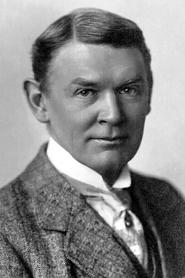
Forrest Robinson
Actor
Born: 1869 in New York, New York, United States Died: 1938 Active: 1921-1923
Films
4 films
About Forrest Robinson
American character actor who worked primarily during the silent film era of the early 1920s. His career, though brief, included appearances in several notable productions of the period, working alongside some of the biggest stars of the day. Robinson specialized in supporting roles, often portraying authority figures, community elders, or characters of gravitas in the dramatic films of the time. His filmography shows a concentrated period of activity between 1921 and 1923, during which he appeared in four significant films that have survived as important examples of silent cinema. Robinson's performance in 'Tol'able David' (1921) is particularly noteworthy, as the film is considered a classic of American cinema and was selected for preservation in the National Film Registry. Despite his relatively short time in the film industry, Robinson's work contributed to some of the most respected productions of the early 1920s, showcasing the kind of reliable character acting that was essential to the storytelling of silent films. His disappearance from film records after 1923 suggests either a career change or perhaps the transition challenges many actors faced with the coming of sound.
The Craft
On Screen
Robinson employed a naturalistic style for the silent era, avoiding the exaggerated gestures common among some of his contemporaries. His performances were characterized by a dignified presence and subtle facial expressions that conveyed emotion effectively without the benefit of dialogue. As a character actor, he brought authenticity to his roles through a restrained approach that suited the serious dramatic films in which he appeared.
Milestones
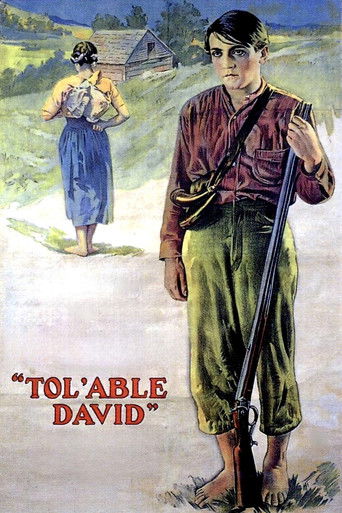
- Appeared in the critically acclaimed 'Tol'able David' (1921)
- Worked with Mary Pickford in 'Tess of the Storm Country' (1922)
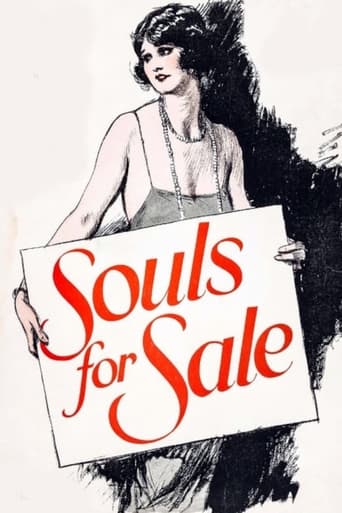
- Had a role in the Hollywood satire 'Souls for Sale' (1923)
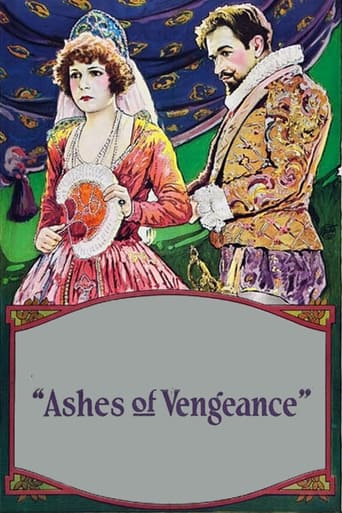
- Appeared in the Norma Talmadge vehicle 'Ashes of Vengeance' (1923)
Best Known For
Iconic Roles
Must-See Films
Working Relationships
Worked Often With
Studios
Why They Matter
Impact on Culture
Forrest Robinson's contribution to cinema, while not widely recognized individually, is part of the collective foundation of American silent film. His appearances in 'Tol'able David' and 'Tess of the Storm Country' place him within films that have been preserved and studied as important examples of early American cinema. These films, particularly 'Tol'able David,' are frequently cited in film scholarship for their technical innovations and narrative sophistication, with Robinson's supporting performances contributing to their overall artistic success.
Lasting Legacy
Robinson's legacy exists primarily through his surviving film work rather than through extensive documentation or recognition. The four films in which he appeared have endured as significant examples of silent cinema, ensuring that his performances, however brief, remain accessible to film historians and enthusiasts. His work represents the essential contributions of character actors who provided the backbone of ensemble casts during Hollywood's formative years.
Who They Inspired
As a supporting actor from the transitional period of early 1920s cinema, Robinson's direct influence on subsequent performers is difficult to trace. However, his naturalistic acting style, which avoided the melodramatic excesses of some silent era performers, reflected the evolving standards of film acting that would become more pronounced with the advent of sound. His work in ensemble casts demonstrated the importance of reliable character actors in creating believable cinematic worlds.
Off Screen
Little is documented about Forrest Robinson's personal life, which was not uncommon for supporting actors of the silent era who did not achieve star status. Born in 1869 in New York, he would have been in his early fifties during his brief film career, suggesting he may have come to acting later in life or possibly transitioned from stage work to film. His death in 1938 at age approximately 69 occurred fifteen years after his last known film appearance.
Did You Know?
- Robinson began his film career at the relatively advanced age of 52
- All four of his known film appearances were released within a two-year period
- 'Tol'able David,' one of his films, was selected for the National Film Registry in 2007
- He worked with three of the biggest female stars of the 1920s: Mary Pickford, Eleanor Boardman, and Norma Talmadge
- Despite appearing in major productions, he never achieved leading man status
- His film career coincided with the final years of the pure silent era before sound revolutionized the industry
- No photographs of Robinson have been widely circulated, making his appearance somewhat mysterious to modern film enthusiasts
- His death in 1938 meant he lived to see the transition from silent films to sound but did not return to the screen
Frequently Asked Questions
Who was Forrest Robinson?
American character with credits in this catalog. He appeared in four notable films between 1921 and 1923, including 'Tol'able David' and 'Tess of the Storm Country,' typically playing supporting roles as authority figures or community elders.
What films is Forrest Robinson best known for?
Titles linked here include Tol'able David (1921), Tess of the Storm Country (1922).
When was Forrest Robinson born and when did he die?
Born 1869; died 1938.
What awards did Forrest Robinson win?
There are no records of Forrest Robinson receiving major film awards or nominations. As a supporting character actor during the early 1920s, he worked before the establishment of the Academy Awards and other major film honors that would later recognize cinematic achievements.
What was Forrest Robinson's acting style?
Robinson employed a naturalistic acting style for the silent era, avoiding exaggerated gestures and melodramatic expressions. His performances were characterized by a dignified presence and subtle facial expressions that effectively conveyed emotion, making him well-suited for portraying authority figures and community elders in dramatic films.