
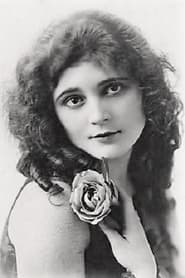
Claire McDowell
Actor
Born: November 2, 1877 in New York City, New York, USA Died: October 23, 1966 Active: 1908-1932
Films
40 films
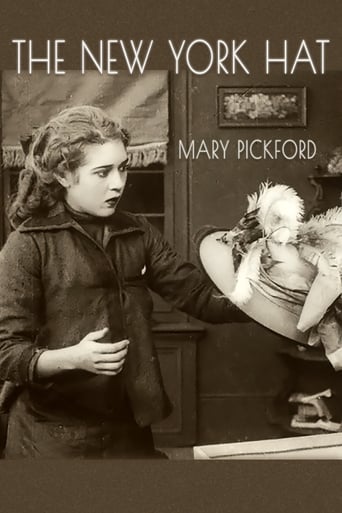
The New York Hat
1912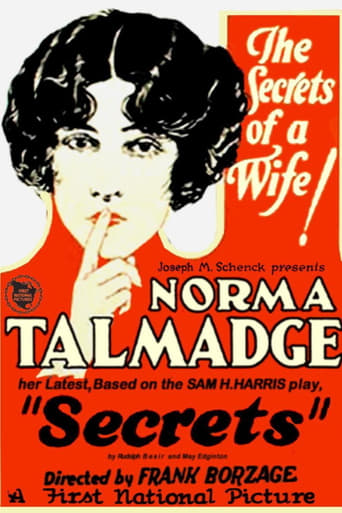
Secrets
1924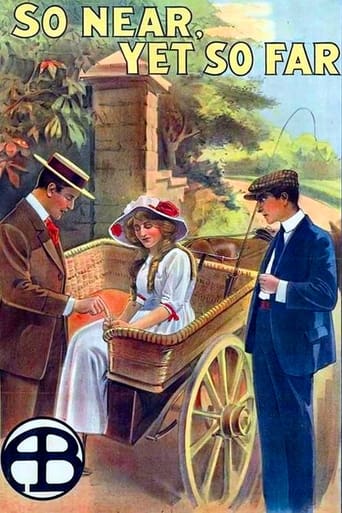
So Near, Yet So Far
1912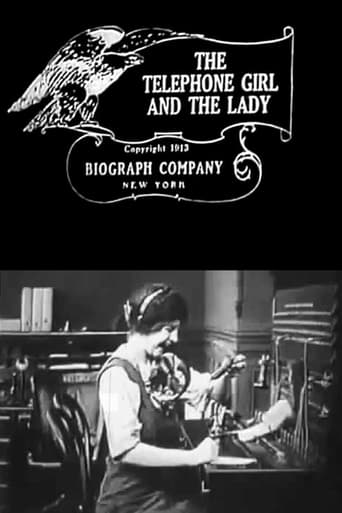
The Telephone Girl and the Lady
1913
The Call of the Wild
1908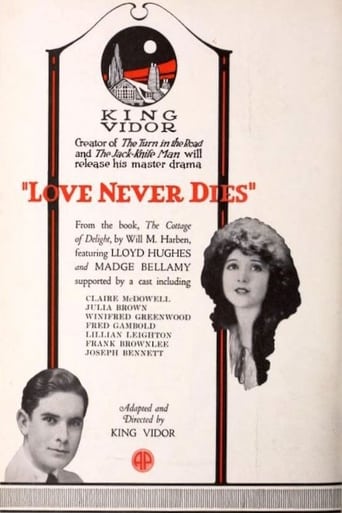
Love Never Dies
1921
The Devil
1908
Fate's Turning
1911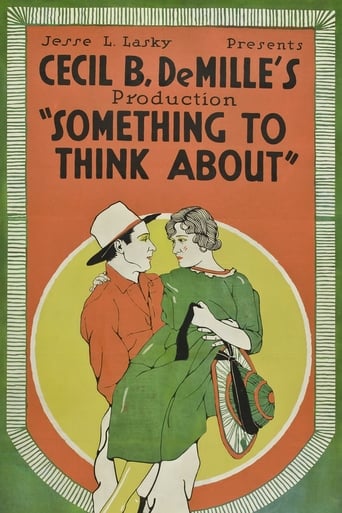
Something to Think About
1920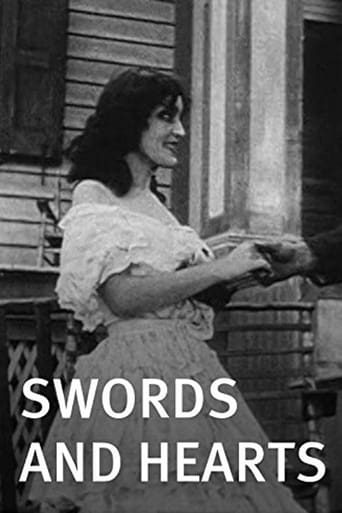
Swords and Hearts
1911
The Oath and the Man
1910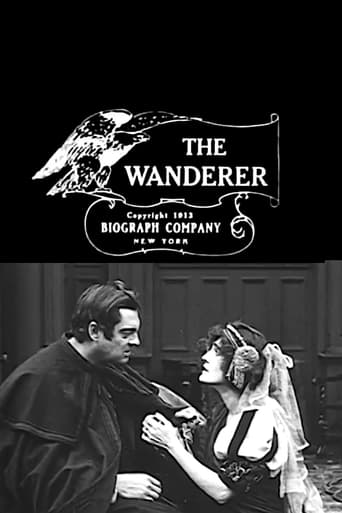
The Wanderer
1913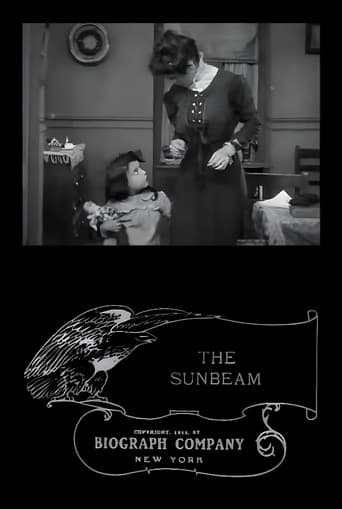
The Sunbeam
1912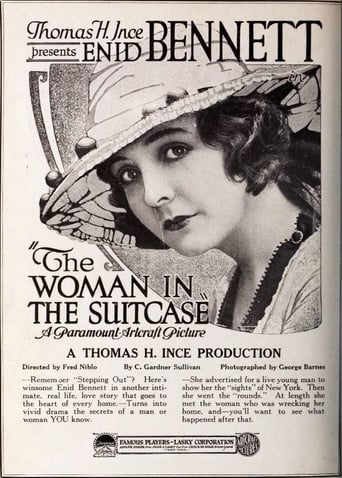
The Woman in the Suitcase
1920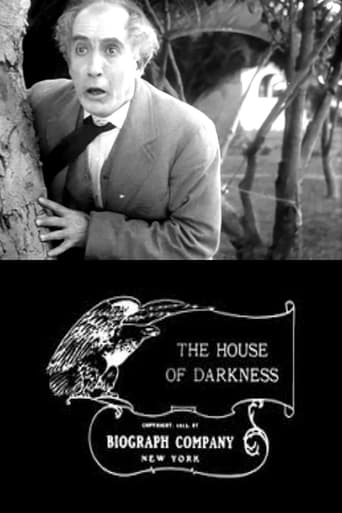
The House of Darkness
1913
The Massacre
1912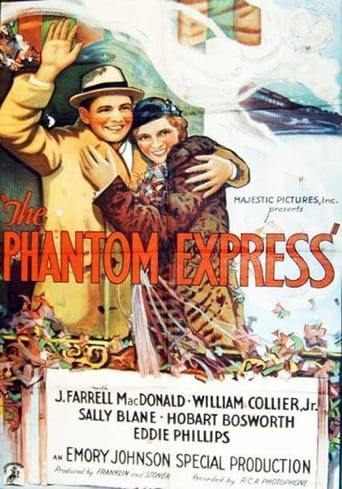
The Phantom Express
1932
The Switchtower
1913
The Adventures of Billy
1911
The Female of the Species
1912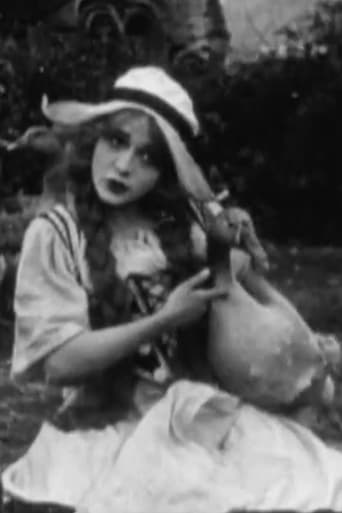
Lena and the Geese
1912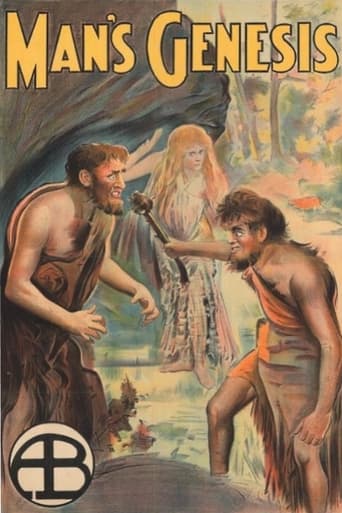
Man's Genesis
1912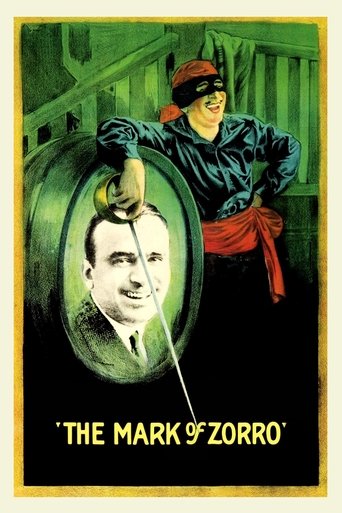
The Mark of Zorro
1920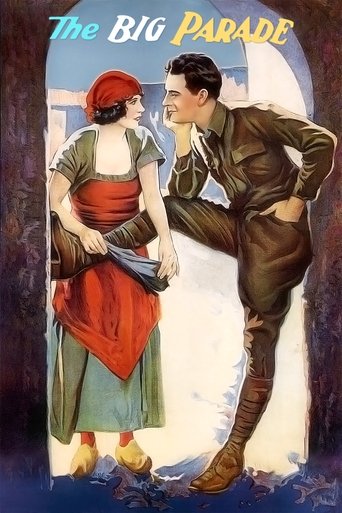
The Big Parade
1925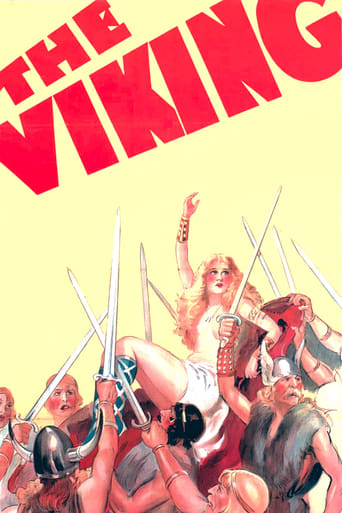
The Viking
1928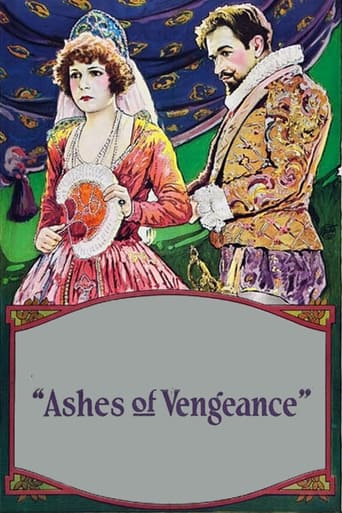
Ashes of Vengeance
1923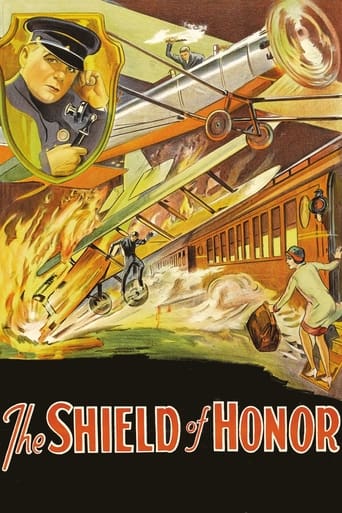
The Shield of Honor
1927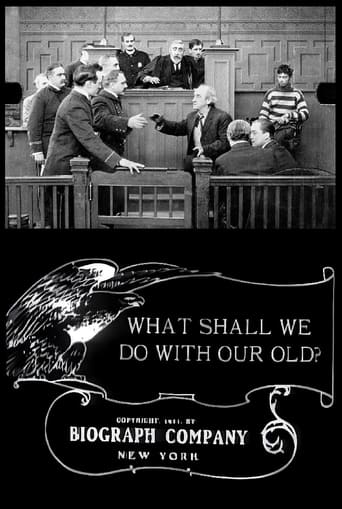
What Shall We Do with Our Old?
1911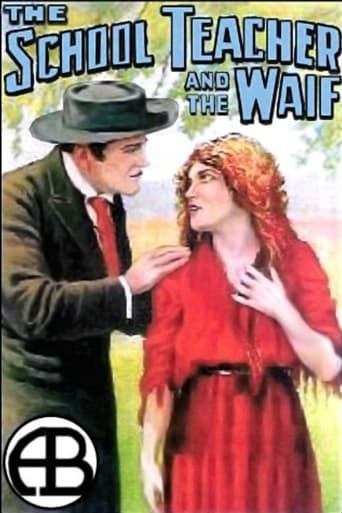
The School Teacher and the Waif
1912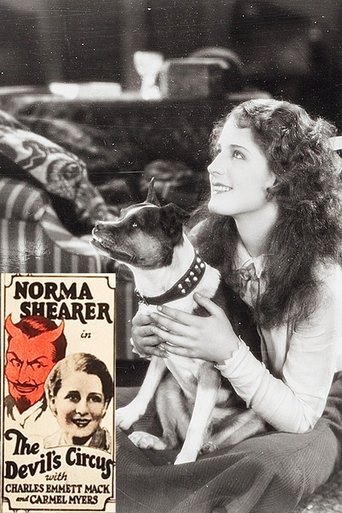
The Devil's Circus
1926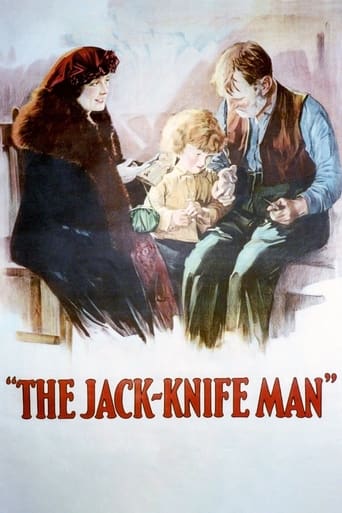
The Jack-Knife Man
1920
His Trust
1911
The Baby and the Stork
1911 The Baby and the Stork
1911
Wilful Peggy
1910
Under Burning Skies
1912
The Gift Supreme
1920
The Manicure Lady
1911
His Trust Fulfilled
1911About Claire McDowell
American actress who rose to prominence during the silent film era, beginning her career in 1908 with the Biograph Company. She became one of D.W. Griffith's most reliable character actresses, appearing in numerous films for the director including his controversial masterpiece 'The Birth of a Nation' (1915) and the epic 'Intolerance' (1916). McDowell specialized in playing maternal figures, virtuous women, and sympathetic supporting characters, bringing warmth and authenticity to her roles. She frequently collaborated with her husband Charles Hill Mailes, with whom she appeared in dozens of films together. Her career flourished throughout the silent era, with memorable performances in films like 'Way Down East' (1920) and 'Orphans of the Storm' (1921). As the industry transitioned to sound, McDowell continued working, though in increasingly smaller roles, until her retirement from acting in 1932. Her contributions to early cinema helped establish the foundation for character acting in American film.
The Craft
On Screen
Claire McDowell was known for her naturalistic and understated acting style, which set her apart from many of her contemporaries who favored more theatrical performances. She possessed a remarkable ability to convey deep emotion through subtle facial expressions and gestures, making her particularly effective in silent films where visual storytelling was paramount. McDowell specialized in portraying warm, maternal figures and virtuous women, bringing authenticity and depth to these archetypal roles. Her performances were characterized by their sincerity and emotional honesty, allowing audiences to connect with her characters on a personal level. She had a versatile range that allowed her to play both dramatic and comedic roles with equal skill, though she was most celebrated for her dramatic work in Griffith's epics.
Milestones
- actress of the silent film era beginning in 1908
- Regular collaborator with D.W. Griffith at Biograph Studios
- Memorable roles in 'The Birth of a Nation' (1915) and 'Intolerance' (1916)
- Frequent on-screen partnership with husband Charles Hill Mailes
- Transitioned successfully from silent films to early talkies
- Appeared in over 350 films during her career
Best Known For
Iconic Roles
Must-See Films
Accolades
Special Recognition
- Pioneer of American Silent Cinema
- D.W. Griffith Stock Company Member
Working Relationships
Worked Often With
Studios
Why They Matter
Impact on Culture
Claire McDowell played a significant role in shaping the language of silent cinema through her work with D.W. Griffith and other directors. As one of the earliest character actresses in American film, she helped establish the importance of supporting roles in creating compelling cinematic narratives. Her naturalistic acting style influenced many performers who followed, demonstrating that subtlety and restraint could be more powerful than overt theatricality in film. McDowell's frequent portrayals of maternal figures contributed to the development of the 'mother archetype' in American cinema, a trope that would become central to countless films throughout the 20th century. Her work in Griffith's controversial yet historically significant films like 'The Birth of a Nation' and 'Intolerance' ensured her place in film history, even as these films remain debated for their content and ideology.
Lasting Legacy
Claire McDowell's legacy lies in her substantial contributions to the foundation of American cinema during its formative years. With over 350 film appearances to her credit, she represents the dedication and prolific nature of early film actors who helped establish the medium as a legitimate art form. Her work with D.W. Griffith places her at the center of some of the most important and controversial films in cinema history, making her an essential figure for film scholars studying the silent era. McDowell's ability to transition from the early one-reel films to feature-length epics demonstrated her versatility and adaptability as the medium evolved. Though largely forgotten by mainstream audiences, her performances remain valuable to film historians and preservationists working to understand the development of screen acting techniques. Her family's continued involvement in cinema through subsequent generations speaks to the lasting influence of her career.
Who They Inspired
Claire McDowell influenced subsequent generations of character actresses through her demonstration of how supporting roles could provide essential emotional depth and narrative function in films. Her naturalistic approach to acting, particularly in conveying maternal warmth and virtue, set a template for how such characters would be portrayed throughout Hollywood's golden age. Younger actresses working with Griffith and other directors likely observed and learned from her techniques of subtle expression and emotional authenticity. While she may not have directly mentored specific performers who became major stars, her body of work served as an example for countless character actresses who followed in her footsteps. The professionalism and consistency she demonstrated across hundreds of films established standards for reliability and craft that became valued traits in studio system performers.
Off Screen
Claire McDowell married actor Charles Hill Mailes in 1909, and their partnership extended beyond their personal life into their professional careers, as they frequently appeared together in films. The couple had two children, Robert and Mildred, who both followed their parents into the entertainment industry. McDowell was known as a dedicated family woman who managed to balance her demanding film career with her responsibilities as a wife and mother. After her husband's death in 1937, she largely withdrew from public life, living quietly in Los Angeles until her death in 1966 at the age of 88. Her family's legacy in cinema continued through her children and grandchildren, making the McDowell-Mailes family a multi-generational contributor to American film.
Education
Limited information available, likely received formal education in New York before entering theater
Family
- Charles Hill Mailes (1909-1937, his death)
Did You Know?
- Claire McDowell appeared in over 350 films during her 24-year career, making her
- She was a member of D.W. Griffith's regular stock company at Biograph Studios, appearing in dozens of his films
- McDowell and her husband Charles Hill Mailes appeared together in approximately 100 films
- She made her film debut in 1908, just as the American film industry was transitioning from short films to feature-length productions
- Despite her extensive filmography, many of her films have been lost due to the deterioration of nitrate film stock
- She successfully transitioned from silent films to talkies, though her roles became smaller in the sound era
- McDowell was often typecast as mothers and virtuous women, earning her the nickname 'The Mother of the Movies'
- She worked with virtually every major director of the silent era, not just Griffith
- Her final film appearance was in 1932, after which she retired from acting
- She was one of the few actresses from the Biograph era to live long enough to see the revival of interest in silent films in the 1960s
In Their Own Words
In the pictures, one must learn to think with the eyes, for the camera sees what the heart feels.
Working with Mr. Griffith taught me that the smallest gesture could mean more than a thousand words.
We were pioneers in those days, making up the rules as we went along. Every film was an adventure.
The transition to sound was difficult for many of us, but the emotions we conveyed were universal, with or without words.
Frequently Asked Questions
Who was Claire McDowell?
Screen credits include over 350 films between 1908 and 1932. She was best known for her work with director D.W. Griffith and her frequent portrayals of maternal figures and virtuous women in early American cinema.
What films is Claire McDowell best known for?
Titles linked here include The Birth of a Nation (1915), Intolerance (1916).
When was Claire McDowell born and when did she die?
Born November 2, 1877; died October 23, 1966.
What awards did Claire McDowell win?
Claire McDowell worked during an era before the establishment of major film awards like the Academy Awards, so she did not receive formal accolades during her active years. However, she is recognized today as a pioneer of American silent cinema and an important contributor to early film history.
What was Claire McDowell's acting style?
Claire McDowell was known for her naturalistic and understated acting style, which emphasized subtle facial expressions and gestures over theatrical performances. She specialized in conveying deep emotion through restraint, making her particularly effective in silent films where visual storytelling was paramount.
Was Claire McDowell married?
Yes, Claire McDowell married actor Charles Hill Mailes in 1909, and they frequently appeared together in films. The couple had two children, Robert and Mildred, who both entered the entertainment industry. Their marriage lasted until Mailes' death in 1937.
How did Claire McDowell impact early cinema?
Claire McDowell helped establish the importance of character acting and supporting roles in early American cinema. Her naturalistic style influenced how emotions were conveyed on screen, and her frequent portrayals of maternal figures contributed to the development of character archetypes that would persist throughout Hollywood history.
Why is Claire McDowell significant in film history?
Claire McDowell is significant for her extensive contributions to the foundation of American cinema during its formative years, her work with director D.W. Griffith, and her role in developing screen acting techniques. Her prolific career spanning over 350 films makes her an important figure for understanding the evolution of silent cinema.