

Secrets
"Diary of a frontier marriage"
Keys: Space play/pause · ←/→ 10s · F fullscreen · M mute · </> speed
About this film
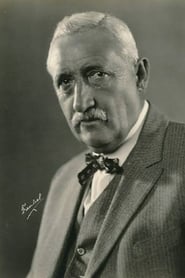
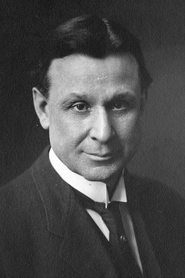
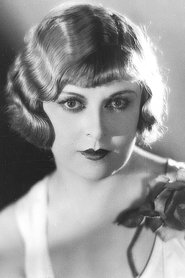
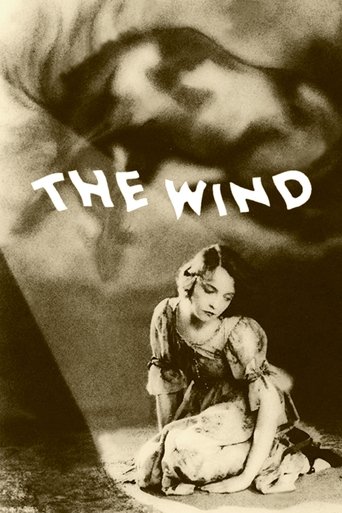
An elderly woman rereads her diary and recalls marrying against her parents' wishes and following her husband to the hard Wyoming frontier.
Cast & crew
More films like this
More Drama films
View all →







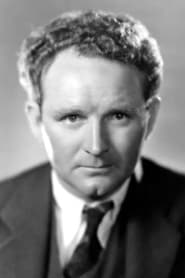
More from Frank Borzage
View all →
More about this film
About the production
Release dateSeptember 7, 1924
Box officeThe film was a moderate commercial success, particularly popular with female audiences, though exact box office figures are not documented
ProductionNorma Talmadge Film Corporation, Joseph M. Schenck Productions
Filmed inCalifornia (Lone Pine area for Wyoming scenes), Los Angeles studio locations
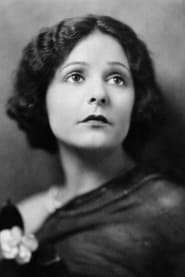
The film was one of Norma Talmadge's most ambitious productions, featuring elaborate frontier sets and location shooting. The Wyoming sequences were filmed in California's Owens Valley, which doubled for the American West. The production faced challenges recreating period-accurate frontier conditions and Indian attack sequences. Talmadge, one of the era's biggest stars, invested significantly in the production's authenticity, including historically accurate costumes and props.
Themes
Forgiveness and reconciliationEnduring love through hardshipFrontier life and its challengesMarital betrayal and trustMemory and the passage of time
Themes & topics
diaryflashbackfrontiermarriagebetrayalforgivenessWyomingEnglanddeathbedIndian attackinfant deathforty yearssecretsreconciliation
Historical background
Gloria Swanson starred in this 1924 melodrama during her transition from comedienne to dramatic leading lady.
Why this film matters
Represents the wave of women's pictures that used flashback structure to frame stories of sacrifice and endurance.
Making of
The production was a significant undertaking for Norma Talmadge's production company, requiring extensive location photography and elaborate period sets. Director Frank Borzage, known for his sensitive handling of emotional dramas, worked closely with Talmadge to develop the character's emotional journey across four decades. The film's structure, with its extended flashback sequence, was innovative for its time. The Wyoming frontier scenes were particularly challenging to film, requiring the cast and crew to work in difficult conditions to achieve authenticity. Talmadge, who was known for her meticulous preparation, studied frontier life and diaries from the period to inform her performance. The film's theme of marital strife and reconciliation resonated with audiences dealing with post-WWI social changes and evolving attitudes toward marriage and divorce.
What critics said
Reviews split between praise for Swanson and complaints about plot contrivance; it survives mainly through archival interest.
Did you know?
- was remade in 1933 as a talkie starring Mary Pickford in her final film role
- Norma Talmadge was especially powerful women in Hollywood during the 1920s, running her own production company
- The film's theme of marital forgiveness was considered quite daring for its time
- Director Frank Borzage would later win the first Academy Award for Best Director for '7th Heaven' (1927)
- The original story was based on a play by Rudolph Besier and May Edginton
- The film's intertitles were written by prominent screenwriter Frances Marion
- Patterson Dial, who played the 'other woman,' was primarily known as a character actress in supporting roles
- The Wyoming frontier sequences were praised by contemporary critics for their realism and authenticity
- The film's survival status was uncertain for decades before a print was discovered and preserved
- Norma Talmadge's performance in is considered one of her most mature and nuanced roles
Awards & recognition
- No major awards were recorded for, as the first Academy Awards were not presented until 1929
Visual style
The cinematography, credited to Tony Gaudio and James Wong Howe (early in his career), employed sophisticated techniques for its time, including dramatic lighting to distinguish between the present and flashback sequences. The Wyoming frontier scenes utilized natural lighting and wide shots to convey the vastness and harshness of the landscape. The film used soft focus techniques for emotional moments and close-ups, particularly effective in capturing Norma Talmadge's nuanced performance. The contrast between the refined English settings and the rugged frontier locations was emphasized through visual composition and lighting choices. The cinematography successfully supported the film's emotional arc, moving from the warm glow of youth to the harsh shadows of hardship and eventually to the soft light of reconciliation.
Innovations
The film's innovative use of extended flashback sequences was technically advanced for its time, requiring careful continuity and visual distinction between time periods. The production employed sophisticated makeup techniques to age the characters across four decades, which was particularly challenging for close-ups in silent cinema. The frontier sequences utilized location shooting combined with studio sets to create convincing western landscapes. The film's editing, particularly in the transition between present and past, demonstrated advanced narrative techniques for the era. The preservation of the film itself represents a technical achievement, as many silent films from this period have been lost.
Music
As a silent film, 'Secrets' would have been accompanied by live musical performances in theaters during its original release. The score likely consisted of classical pieces and popular songs of the era, selected to enhance the emotional impact of key scenes. No original score survives, but modern screenings typically feature newly composed scores or period-appropriate classical music. The film's emotional depth would have been enhanced through careful musical selection, with different themes for the various time periods and emotional states of the characters. The absence of dialogue heightened the importance of musical accompaniment in conveying the film's complex emotional journey.
Famous quotes
Forty years is a long time to keep a secret in your heart
I loved you then, and I love you now, despite everything
The frontier teaches you that survival means forgiveness
Some wounds never heal, they just learn to live with the scars
In the end, love is the only secret worth keeping
Memorable scenes
- The emotional deathbed scene where Mary finally confronts John after forty years of silence
- The devastating Indian attack sequence that results in their baby's death
- The tender flashback to their wedding in England despite parental opposition
- The harsh winter scene where the couple nearly starves on the frontier
- The moment Mary discovers John's infidelity, leading to decades of estrangement
What audiences thought
The film was well-received by audiences in 1924, particularly drawing female viewers who connected with its themes of enduring love and marital forgiveness. Contemporary reports indicate that the film's emotional climax generated strong audience responses in theaters. The movie performed solidly at the box office, though it didn't achieve the blockbuster status of some of Talmadge's other productions. Modern audiences who have seen the film through revival screenings or preservation releases often comment on its surprisingly contemporary themes and the power of its silent storytelling. The film's rediscovery has been welcomed by silent film enthusiasts who appreciate its place in the careers of both Talmadge and Borzage.
Film connections
Influenced by
- The play 'Secrets' by Rudolph Besier and May Edginton
- Contemporary frontier literature and memoirs
- The tradition of Victorian melodrama
- Early 20th century women's fiction
- Post-WWI cinema's focus on emotional realism
This film influenced
- Secrets (1933) - the sound remake starring Mary Pickford
- Later films dealing with marital reconciliation and forgiveness
- Frontier melodramas of the late 1920s and early 1930s
- Films using diary or memory as framing devices
Film restoration
The film was considered lost for many years but a complete print was discovered and preserved by the Library of Congress. The surviving copy is in relatively good condition for a film of its era. It has been restored and is available through archival screenings and some home media releases. The preservation of is significant as it represents an important work in both Norma Talmadge's and Frank Borzage's careers.
Where to watch
- The film is available through the Library of Congress's collection
- Some specialty DVD releases of silent film collections
- Occasional screenings at film archives and silent film festivals
- May be available through educational film distribution services
- Potential streaming on specialized classic film platforms