
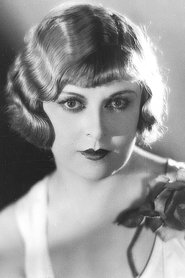
Gertrude Astor
Actor
Born: November 9, 1887 in Lakewood, Ohio, USA Died: November 9, 1977 Active: 1915-1964 Birth Name: Gertrude E. Astor
Films
13 films
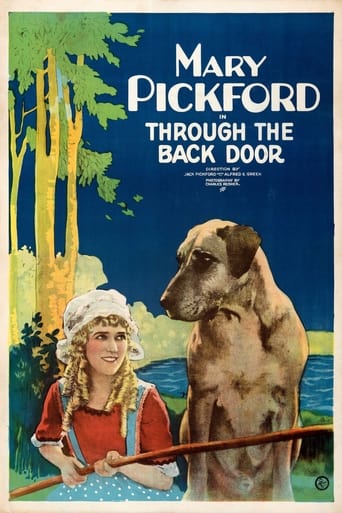
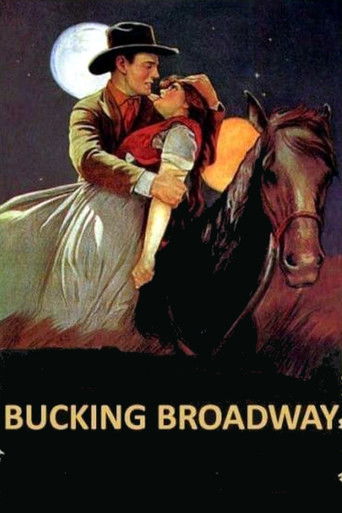
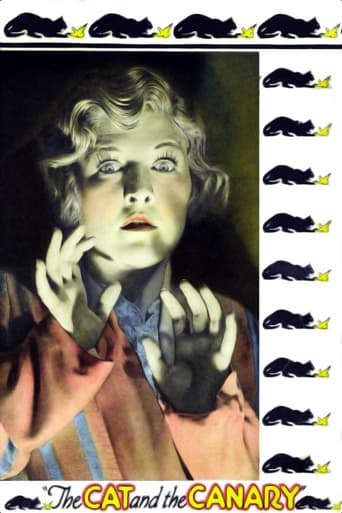
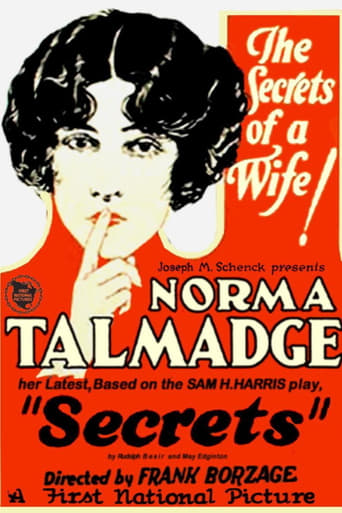
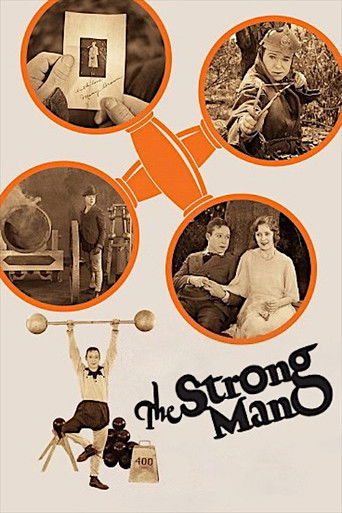
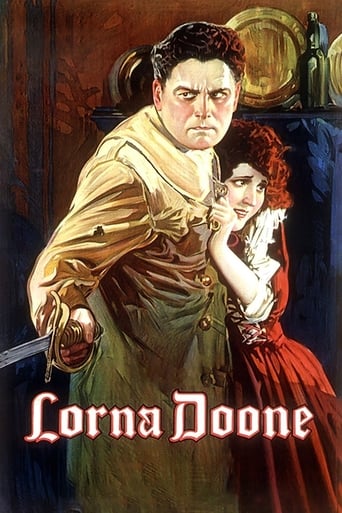

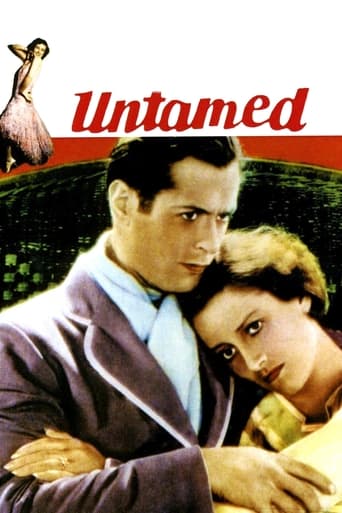

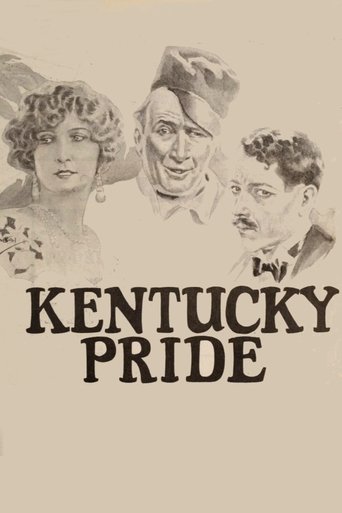

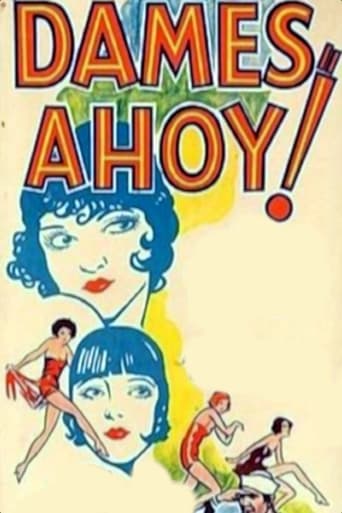
About Gertrude Astor
Prolific American actress who began her career in the silent film era and successfully transitioned into sound pictures. Born in 1887 in Lakewood, Ohio, she initially worked as a model and stage performer before making her film debut in 1915. Astor became recognizable character actresses of the 1920s, appearing in over 250 films throughout her career. She worked extensively with directors like John Ford and often played sophisticated society women, vamps, or comic relief characters. Her career flourished during the silent era, and she adapted well to talkies, continuing to work steadily through the 1930s and 1940s. Astor was particularly known for her versatility, seamlessly transitioning from dramatic roles to comedy. She retired from acting in the mid-1960s after a career spanning five decades, leaving behind a as one of Hollywood's most reliable supporting players.
The Craft
On Screen
Gertrude Astor was known for her naturalistic acting style that evolved from the exaggerated gestures of silent film to more subtle performances in talkies. She possessed a remarkable ability to convey character through expression and movement, making her particularly effective in both dramatic and comedic roles. Her tall, elegant stature and distinctive features made her instantly recognizable, while her versatility allowed her to play everything from sophisticated socialites to villainous vamps. Astor had excellent comic timing and often brought wit and charm to her supporting roles, never overshadowing the leads but always making her characters memorable.
Milestones
- Film debut in 1915 with Universal Studios
- Breakthrough role in Bucking Broadway (1917)
- Prolific work in the 1920s silent era
- Successful transition to sound films
- Long-term contract with Universal Pictures
- Over 250 film appearances throughout career
- Regular work in John Ford films
Best Known For
Iconic Roles
Must-See Films
Accolades
Special Recognition
- Hollywood Walk of Fame star (1960)
Working Relationships
Worked Often With
Studios
Why They Matter
Impact on Culture
Gertrude Astor contributed significantly to the development of supporting roles in American cinema, demonstrating how character actors could enhance films without being the star. Her successful transition from silent films to talkies served as a model for many actors of her generation. Astor's work with John Ford helped establish the stock company approach to filmmaking, where reliable character actors would appear repeatedly in a director's films, creating a familiar world for audiences. Her longevity in the industry, spanning from the early silent era through the golden age of Hollywood and into the 1960s, made her a living link between different eras of American cinema.
Lasting Legacy
Gertrude Astor's legacy lies in her remarkable filmography of over 250 movies, making her. She represents the archetype of the reliable Hollywood character actress who could elevate any production with her presence. Her work in John Ford films, particularly her late-career appearances in classics like 'The Man Who Shot Liberty Valance,' ensured her place in film history. Astor's career shows the importance of supporting players in creating memorable cinema, and her ability to adapt to changing technologies and audience tastes over five decades demonstrates remarkable professional resilience.
Who They Inspired
Gertrude Astor influenced generations of character actors by demonstrating the value of versatility and reliability in supporting roles. Her career showed that success in Hollywood didn't require stardom, but rather consistent, quality performances. Younger actresses studying her work could learn how to make the most of limited screen time and how to create memorable characters even in brief appearances. Her professionalism and longevity set a standard for character actors in Hollywood's studio system.
Off Screen
Gertrude Astor led a relatively private personal life despite her long career in Hollywood. She married director Harry A. Pollard in 1914, though the marriage ended in divorce. She never remarried and had no children. Astor was known among her colleagues as a professional and reliable actress who maintained good relationships throughout the industry. She lived in Los Angeles for most of her life and remained active in the film community even after her retirement from acting.
Education
Limited formal education; trained in stage performance and modeling before entering films
Family
- Harry A. Pollard (1914-1926)
Did You Know?
- Appeared in over 250 films during her 50-year career
- Was exactly 5'7" tall, quite tall for an actress of her era
- Made her film debut as an extra for $3 a day
- Worked with virtually every major Hollywood director of her time
- Was one of the few silent-era actors to successfully transition to talkies
- Often played characters much older than her actual age
- Was a skilled horsewoman, which led to many western roles
- Died on her 90th birthday
- Never received top billing but was consistently employed
- Her final film appearance was in 'The Man Who Shot Liberty Valance' (1962)
In Their Own Words
I never wanted to be a star. I just wanted to work and make a good living doing what I loved.
In the silent days, you had to use your whole body to act. In talkies, you could use just your eyes if you wanted to.
Frequently Asked Questions
Who was Gertrude Astor?
Prolific American actress who worked in Hollywood from the silent era through the 1960s, appearing in over 250 films primarily as a character actress and supporting player.
What films is Gertrude Astor best known for?
Titles linked here include Bucking Broadway (1917), The Wicked Darling (1919).
When was Gertrude Astor born and when did she die?
Born November 9, 1887; died November 9, 1977.
What awards did Gertrude Astor win?
While she didn't receive major acting awards, Gertrude Astor was honored with a star on the Hollywood Walk of Fame in 1960 in recognition of her extensive film career.
What was Gertrude Astor's acting style?
Astor was known for her naturalistic style that evolved from silent film techniques to more subtle talkie performances, excelling at creating memorable characters through expression and timing, particularly in society roles and comic parts.