
The Wicked Darling
"Necklace in the slums"
Keys: Space play/pause · ←/→ 10s · F fullscreen · M mute · </> speed
About this film
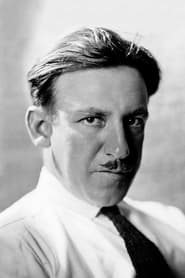
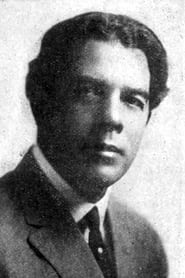
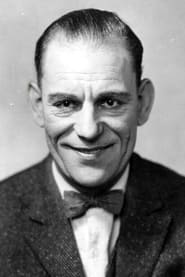
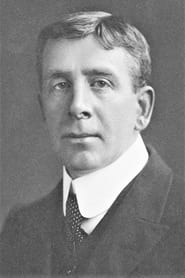
Tod Browning's pickpocket Mary hides with sculptor Hugh after stealing a society matron's necklace. A slum girl is forced to steal for a living. After she swipes a rich society's matron's necklace, she hides out at the home of a man who turns out to be the socialite's former fiance.
Cast & crew
More films like this
More Drama films
View all →







More from Tod Browning
View all →


More about this film
About the production
Release dateMarch 24, 1919
BudgetExact budget figures are not available, but it was produced as part of Universal's 'Bluebird' series, which were higher-budget productions for the studio, estimated between $30,000-$50,000, which was substantial for 1919
Box officeSpecific box office figures are not documented, but the film was commercially successful enough to establish the Browning-Chaney collaboration and led to several subsequent films together
ProductionUniversal Film Manufacturing Company
Filmed inUniversal City Studios, Universal City, California
The film was shot during the winter of 1918-1919 at Universal's newly expanded studio facilities. The production utilized detailed set designs to contrast the squalid Bowery tenements with luxurious high society interiors. Lon Chaney, known for his dedication to roles, reportedly spent hours studying the physical mannerisms of disabled individuals to accurately portray his character's limp and posture. The film was part of Universal's prestigious 'Bluebird' series, which were marketed as higher-quality productions with better scripts, production values, and more established stars.
Themes
Class conflict and social mobilityRedemption and moral transformationThe corrupting influence of povertyLove as salvationCriminal underworld vs. respectable society
Themes & topics
pickpocketslumshigh societystolen necklaceblackmailromanceclass differencesredemptioncriminal underworldhidden identitymoral choicesocial climbing
Historical background
1919 placed The Wicked Darling within United States cinema as Universal Film Manufacturing Company navigated wartime markets, immigration audiences, and the shift from intertitles to sound.
Why this film matters
Archivists revisit The Wicked Darling (1919) for Tod Browning style, genre norms at Universal Film Manufacturing Company, and the exhibition context of 70 minutes (7 reels) programming.
Making of
The production of 'The Wicked Darling' marked a significant turning point in both Tod Browning's and Lon Chaney's careers. Browning, who had worked as an actor and assistant director for D.W. Griffith, was given more creative freedom by Universal's head Carl Laemmle after the success of his earlier films. Chaney, still building his reputation as 'The Man of a Thousand Faces,' impressed Browning with his willingness to undergo physical transformations and his intense method approach to character development. The film was shot during the deadly 1918 flu pandemic, which caused production delays and required the cast and crew to work under strict health protocols. The elaborate Bowery sets were so realistic that they reportedly caused some studio executives to question whether the production was actually filming in New York's actual slums. Priscilla Dean, who was Universal's top female star at the time, reportedly clashed with Chaney over scene priorities, with both actors wanting to maximize their screen time. The film's climactic chase sequence was filmed over three days and required Chaney to perform his own stunts despite his character's supposed physical disability.
What critics said
Retrospective writing on The Wicked Darling stresses craft by Tod Browning, print survival, and repertory value rather than opening-week gross alone.
Did you know?
- This was the first of ten collaborations between director Tod Browning and actor Lon Chaney, establishing among the pivotal creative partnerships in silent cinema
- The film is now considered lost, with no known surviving copies, making it one of approximately 75% of American silent films that have been lost to time
- Priscilla Dean was Universal's highest-paid actress during this period, earning $1,000 per week, a substantial sum for 1919
- Lon Chaney's character required him to wear a painful leg brace and use crutches to create the illusion of a permanent injury, demonstrating his early commitment to physical transformation
- The film was part of Universal's 'Bluebird' series, which were distinguished by their blue-tinted title cards and higher production values compared to the studio's regular releases
- Director Tod Browning drew from his own experiences working in circuses and sideshows to create authentic underworld characters and settings
- The necklace stolen in the film was reportedly decorated with real diamonds borrowed from a local jeweler for the production
- This film helped establish Lon Chaney's reputation for playing physically and emotionally complex characters, though he was not yet the major star he would become
- The film's success led directly to the immediate production of 'The Wicked Darling's sequel, 'The Virgin Stump,' also directed by Browning and starring Chaney
- Wellington A. Playter, who played the romantic lead, was primarily a stage actor and this was one of his few film appearances before returning to theater
Awards & recognition
- No major awards were given for this film, as the Academy Awards were not established until 1929
Visual style
The cinematography of The Wicked Darling was handled by William Fildew, Universal's chief cinematographer during this period. Fildew employed innovative lighting techniques to create dramatic contrasts between the film's two primary settings: the dimly lit, claustrophobic Bowery tenements and the bright, spacious high society interiors. The film utilized extensive use of chiaroscuro lighting to enhance the moral ambiguity of the characters and situations, a technique that would become a hallmark of later film noir. Fildew made particular use of low-angle shots to emphasize the power dynamics between characters, and close-ups were employed strategically to highlight emotional moments, especially during scenes featuring Lon Chaney's expressive performance. The film also featured several tracking shots during chase sequences, which were technically challenging for the period and required elaborate camera setups. The cinematography helped establish the visual language that Tod Browning would refine in his later, more famous works.
Innovations
The Wicked Darling featured several technical achievements that were notable for 1919. The film employed sophisticated double exposure techniques for dream sequences and memory flashbacks, which were technically challenging in the era before optical printers. The production utilized newly developed panchromatic film stock for certain scenes, which allowed for more natural rendering of skin tones and better performance in low-light conditions. The film's elaborate sets included working elevators and detailed street scenes that demonstrated Universal's growing technical capabilities. The chase sequences required complex camera movements and editing techniques that pushed the boundaries of contemporary filmmaking practices. The makeup effects for Lon Chaney's character, while relatively simple compared to his later transformations, demonstrated early applications of prosthetic techniques that would become more sophisticated in subsequent films. The film also featured innovative use of location footage intercut with studio shots, creating a more realistic visual texture than was common in productions of this era.
Music
As a silent film, The Wicked Darling would have featured live musical accompaniment during theatrical exhibitions. Universal provided detailed musical cue sheets to theaters, suggesting appropriate music for different scenes and emotional moments. The score would typically have been performed by a theater's organist or small orchestra, with selections ranging from classical pieces to popular songs of the era. For the slum scenes, dissonant and minor-key music was recommended, while the high society sequences called for waltzes and classical pieces. During moments of tension and chase sequences, faster-paced, dramatic music was suggested. The film's romantic scenes would have been accompanied by popular love songs of the period. Universal's cue sheets for this film specifically recommended works by composers such as Chopin, Liszt, and contemporary popular songwriters. The musical accompaniment played a crucial role in conveying emotion and enhancing the narrative, as was typical for silent films of this period.
Famous quotes
In the Bowery, you steal or you starve - there's no middle ground
A diamond necklace can buy you a dress, but it can't buy you a soul
Love makes beggars of us all, but some of us were beggars to begin with
The difference between the underworld and the upperworld is just a matter of which side of the tracks you were born on
You can take the girl out of the slums, but can you take the slums out of the girl?
Memorable scenes
- The opening sequence showing Mary Stevens navigating the crowded, dangerous streets of the Bowery, establishing the harsh reality of her world
- The tense society party scene where Mary steals the diamond necklace, featuring elaborate period costumes and high society drama
- The first meeting between Mary and Kent Mortimer in his elegant home, highlighting the stark contrast between their worlds
- The climactic confrontation on the rooftop where Stoop Connors attempts to blackmail Mary, featuring dramatic shadows and perilous heights
- The emotional finale where Mary must choose between her criminal past and her chance at redemption with Kent
What audiences thought
Audience reception to The Wicked Darling was overwhelmingly positive, with the film proving to be a commercial success for Universal Pictures. Contemporary reports indicate that the film played to packed houses in major cities across the United States, particularly appealing to working-class audiences who could relate to its themes of struggle and redemption. The film's romantic elements attracted female viewers, while its crime storylines and action sequences drew male audiences. The chemistry between Priscilla Dean and Wellington A. Playter was particularly praised by moviegoers, and Lon Chaney's performance as the villain generated strong audience reactions. The film's success led to increased demand for similar crime melodramas, and it helped establish Universal as a serious competitor to larger studios like Paramount and MGM. Audience word-of-mouth was especially strong in urban areas where the film's depiction of city life resonated with viewers' daily experiences. The film's popularity contributed to the growing trend of feature-length films becoming the standard for American cinema, as audiences demonstrated their willingness to sit through longer, more complex narratives.
Film connections
Influenced by
- D.W. Griffith's urban melodramas
- Victorian literature about fallen women
- Contemporary newspaper crime stories
- French crime serials like 'Les Vampires'
- Stage melodramas of the 19th century
- Jack London's urban fiction
- The social problem plays of Henrik Ibsen
This film influenced
- The Unholy Three (1925)
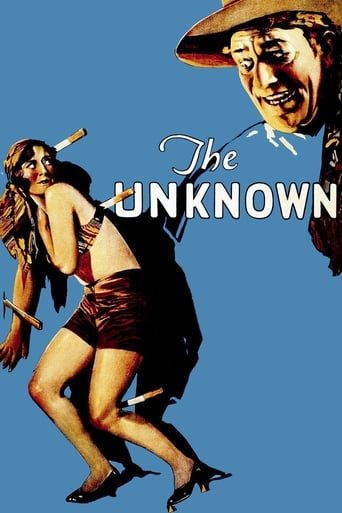
- The Unknown (1927)
- Freaks (1932)
- Street Angel (1928)
- The Docks of New York (1928)
- Little Caesar (1931)
- Scarface (1932)
- The Public Enemy (1931)
Film restoration
The Wicked Darling is currently considered a lost film, with no known surviving copies in any film archives or private collections. The film was likely lost in the 1924 Universal Studios fire or during the 1930s when many studios destroyed their silent film archives to recover the silver content from the film stock. The film represents one of the thousands of American silent films that have been lost to time, accounting for approximately 75% of all silent films produced in the United States. Only a few production stills, promotional materials, and contemporary reviews survive to document the film's existence. The loss of this film is particularly significant given its importance as the first collaboration between Tod Browning and Lon Chaney. Film preservation organizations continue to search for surviving copies in international archives and private collections, but the chances of recovery are increasingly remote with each passing year.
Where to watch
- Unfortunately, The Wicked Darling is not available for viewing as it is considered a lost film with no known surviving copies. Film enthusiasts can learn about the film through contemporary reviews archived at the Margaret Herrick Library, production stills available through the Wisconsin Center for Film and Theater Research, and detailed analyses in film history books about Tod Browning and Lon Chaney. The Universal Studios archive may contain production documents related to the film. Some film historians have created detailed reconstructions of the plot based on contemporary reviews and promotional materials, which can be found in academic journals and silent film websites.