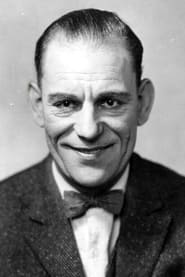
Lon Chaney
Actor
Born: April 1, 1883 in Colorado Springs, Colorado, USA Died: August 26, 1930 Active: 1912-1930 Birth Name: Leonidas Frank Chaney
Films
29 films
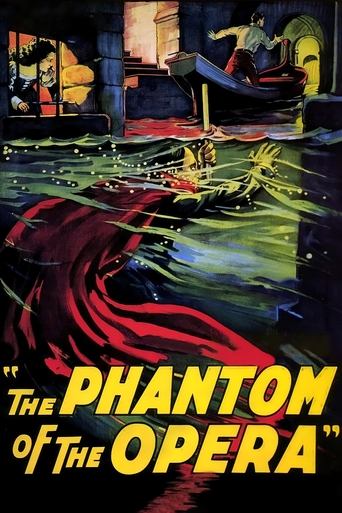
The Phantom of the Opera
1925
Oliver Twist
1922
He Who Gets Slapped
1924
By the Sun's Rays
1914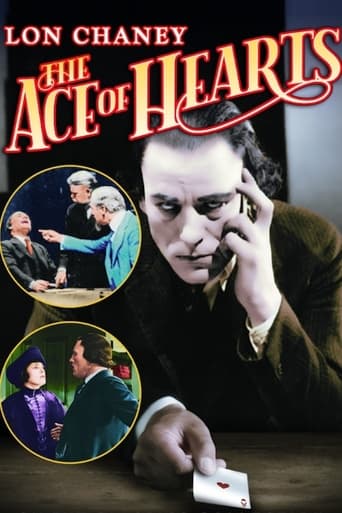
The Ace of Hearts
1921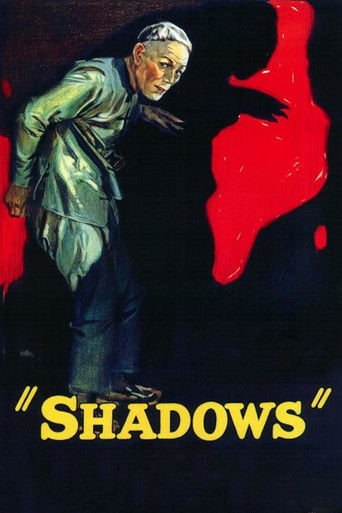
Shadows
1922
The Wicked Darling
1919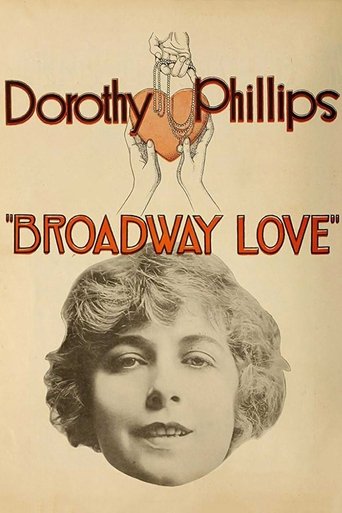
Broadway Love
1918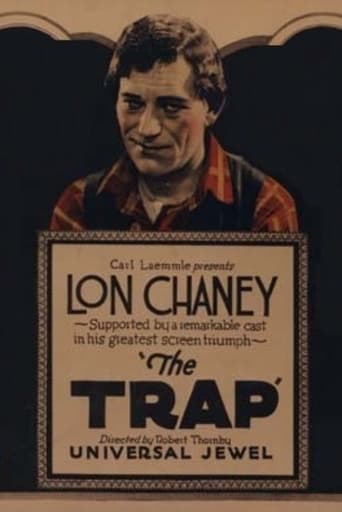
The Trap
1922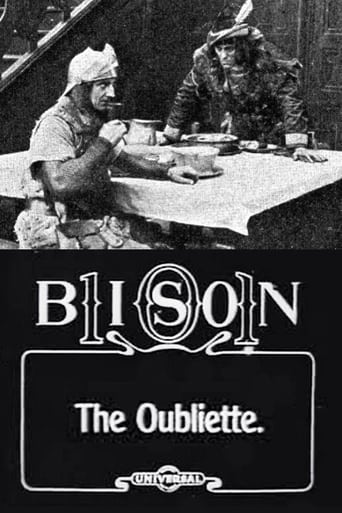
The Oubliette
1914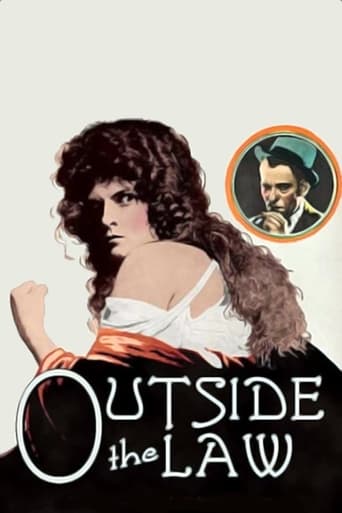
Outside the Law
1920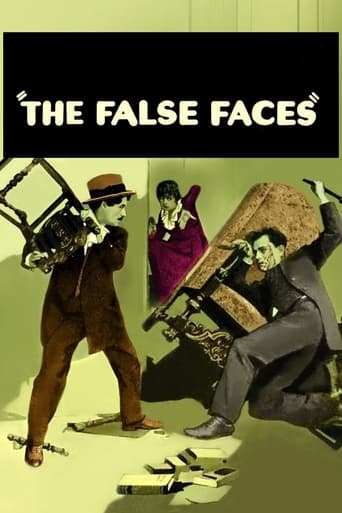
The False Faces
1919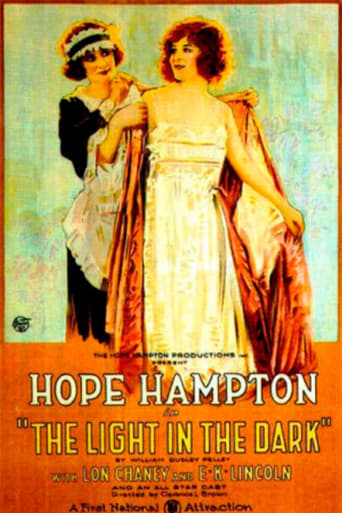
The Light in the Dark
1922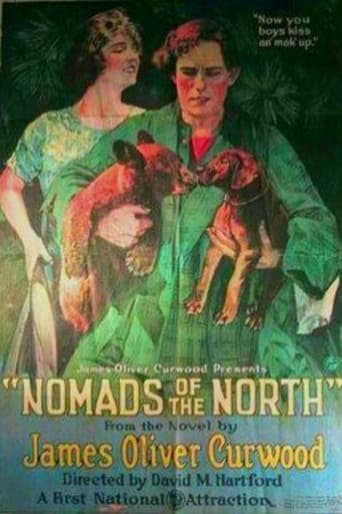
Nomads of the North
1920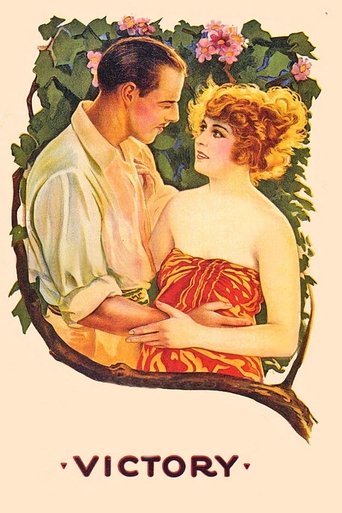
Victory
1919
Flesh and Blood
1922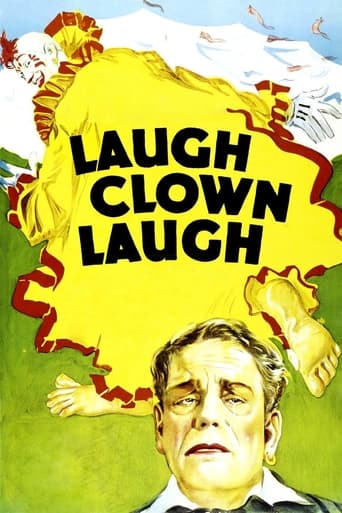
Laugh, Clown, Laugh
1928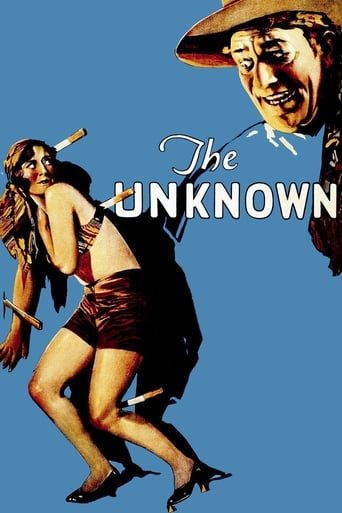
The Unknown
1927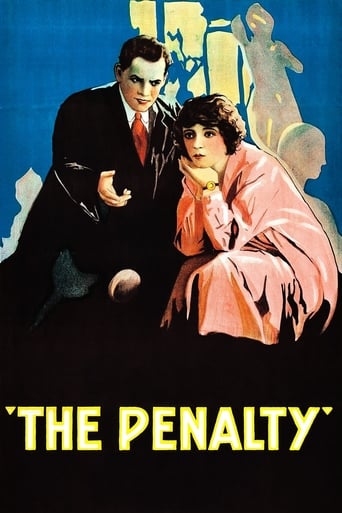
The Penalty
1920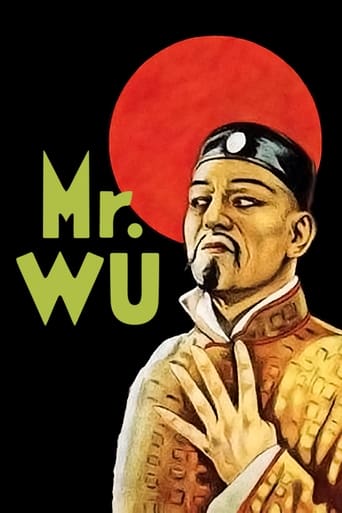
Mr. Wu
1927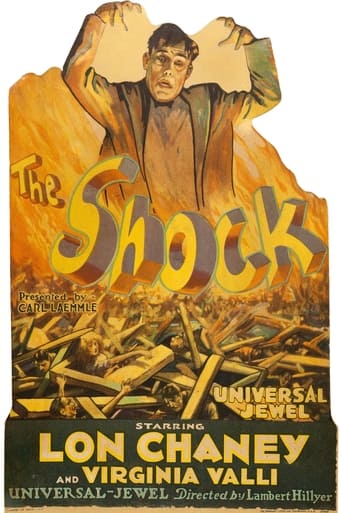
The Shock
1923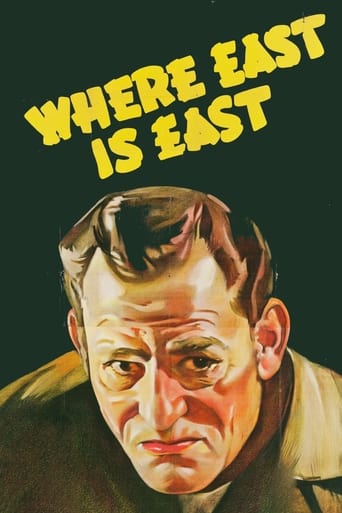
Where East Is East
1929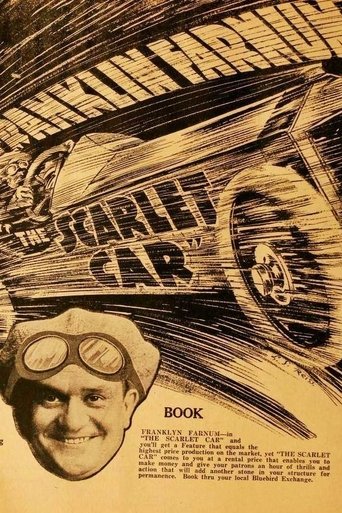
The Scarlet Car
1917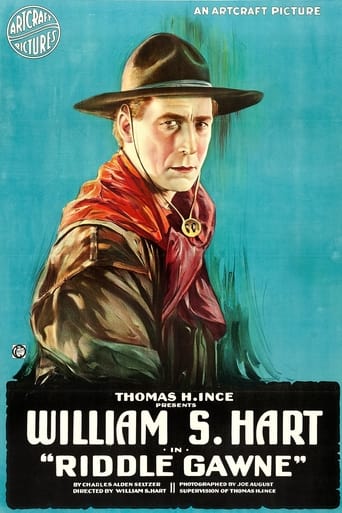
Riddle Gawne
1918
The Gift Supreme
1920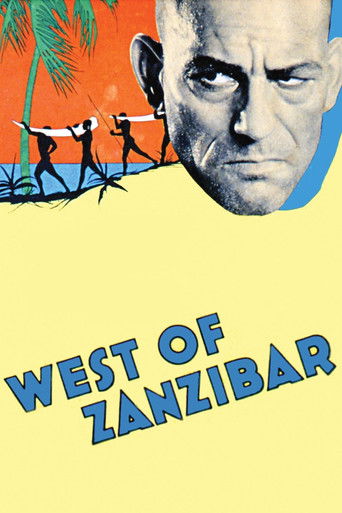
West of Zanzibar
1928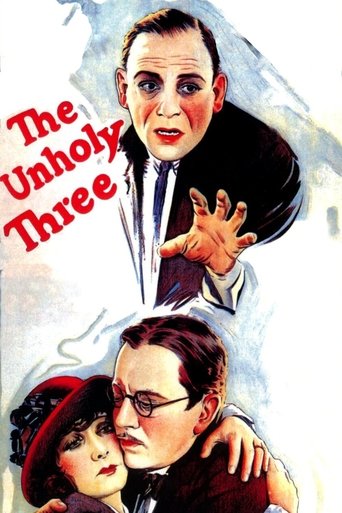
The Unholy Three
1925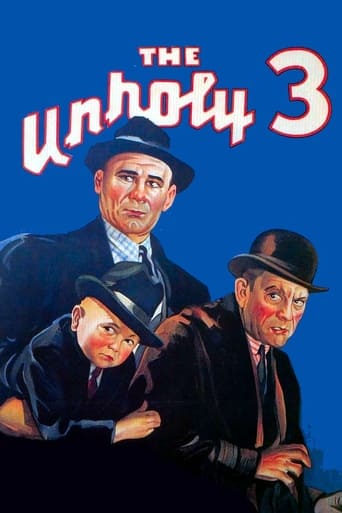
The Unholy Three
1930About Lon Chaney
Lon Chaney, born Leonidas Frank Chaney, was an American actor of the silent film era renowned as 'The Man of a Thousand Faces' for his extraordinary ability to transform himself through makeup techniques and physical acting. Born to deaf parents, Chaney developed exceptional skills in pantomime and non-verbal communication from an early age. His career began in 1912 with bit parts at Universal Studios, but he soon gained recognition for his willingness to undergo painful transformations for roles, creating characters like Quasimodo in 'The Hunchback of Notre Dame' and the Phantom in 'The Phantom of the Opera.' Chaney worked primarily as a freelance actor, commanding unprecedented salaries and creative control over his makeup and character development. His final years saw him successfully transition to talkies with 'The Unholy Three' (1930) before his untimely death from throat cancer at age 47. Chaney's legacy includes not only his memorable performances but also his innovations in makeup artistry and character acting that influenced generations of performers.
The Craft
On Screen
Chaney developed a highly physical and emotionally intense acting style that emphasized complete character transformation through both makeup and performance. His background with deaf parents made him an expert in non-verbal communication, allowing him to convey complex emotions through gesture, facial expression, and body language. Chaney was known for his method approach to roles, often studying characters extensively and subjecting himself to physical discomfort through elaborate makeup appliances and restrictive costumes. His performances combined grotesque physicality with deep pathos, creating sympathetic monsters and tortured souls that audiences could emotionally connect with despite their frightening appearances.
Milestones
- Breakthrough role in 'The Miracle Man' (1919) showcasing his transformation abilities
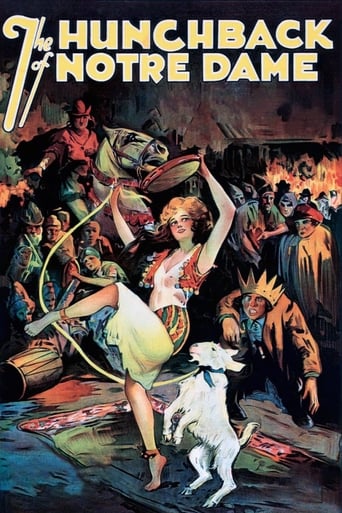
- Starred as Quasimodo in 'The Hunchback of Notre Dame' (1923), establishing him as a major star
- Created the iconic Phantom in 'The Phantom of the Opera' (1925) with revolutionary makeup design
- Became highest-paid actor in Hollywood with $10,000 per week salary at MGM
- Successful transition to sound films with 'The Unholy Three' (1930)
Best Known For
Iconic Roles
Must-See Films
Accolades
Special Recognition
- Hollywood Walk of Fame star (1960)
- Inducted into the Hall of Fame of Great Western Performers (1975)
- AFI's Greatest Screen Legends - Nominated (1999)
- Preserved films in National Film Registry: 'The Phantom of the Opera' (1998), 'The Hunchback of Notre Dame' (2001)
Working Relationships
Worked Often With
Studios
Why They Matter
Impact on Culture
Lon Chaney revolutionized the art of character acting in cinema, establishing the possibility of complete physical transformation that became fundamental to method acting. His innovative makeup techniques, which he designed and applied himself, pushed the boundaries of what was possible in practical effects and prosthetics, influencing generations of makeup artists. Chaney's sympathetic portrayals of physically and emotionally damaged characters helped establish horror and fantasy genres as vehicles for serious dramatic exploration of human nature. His success as a character actor proved that leading men didn't need conventional good looks to become stars, opening doors for unconventional performers. Chaney's work also contributed to the elevation of American cinema from simple entertainment to art form, with his performances being discussed seriously by critics and intellectuals of his time.
Lasting Legacy
Lon Chaney's legacy endures through his preserved films and the countless actors and makeup artists he influenced. His son, Lon Chaney Jr., carried on the family tradition of horror and character acting, though never achieving the same artistic heights. The Academy of Motion Picture Arts and Sciences established the Lon Chaney Award for makeup artistry, though it was discontinued. Film historians consider Chaney one of the greatest actors of the silent era, with his performances still studied in acting schools worldwide. His most famous films remain cultural touchstones, with 'The Phantom of the Opera' and 'The Hunchback of Notre Dame' continuing to be referenced and remade. Chaney's approach to character transformation influenced everyone from Boris Karloff to Christopher Lee, and his techniques can be seen in modern motion capture performances. The phrase 'Man of a Thousand Faces' has entered the cultural lexicon as shorthand for any actor of remarkable versatility.
Who They Inspired
Chaney directly influenced the development of horror cinema through his sympathetic portrayals of monsters and outcasts. His makeup innovations inspired Jack Pierce's work on Universal's classic monsters, particularly Frankenstein's monster and the Wolf Man. Method actors like Marlon Brando and Daniel Day-Lewis have cited Chaney's complete character immersion as. Modern makeup artists and special effects creators continue to study Chaney's techniques for creating believable physical transformations. His success as a character actor without conventional leading-man looks paved the way for unconventional stars like Peter Lorre, Vincent Price, and more recently, actors like Willem Dafoe and Doug Jones. Chaney's approach to physical performance influenced dance and movement artists, while his ability to convey emotion without dialogue remains relevant in international cinema.
Off Screen
Chaney's personal life was marked by both triumph and tragedy. His first marriage to Cleva Creighton ended in a dramatic 1913 suicide attempt that damaged his throat and voice, though he recovered fully. He married Hazel Hastings in 1914, a former chorus girl who remained his devoted wife until his death. Chaney was intensely private about his personal life and rarely gave interviews, preferring to let his work speak for itself. Despite his on-screen grotesqueries, he was known as a kind and gentle man off-camera, beloved by cast and crew for his professionalism and generosity. His relationship with his son, Creighton (later Lon Chaney Jr.), was complex, as he initially discouraged his son from acting but eventually supported his career.
Education
Attended public schools in Colorado Springs and California; took drama classes and learned dance as a child
Family
- Cleva Creighton (1905-1913)
- Hazel Hastings (1914-1930)
Did You Know?
- Chaney was fluent in sign language due to his deaf parents, which enhanced his non-verbal acting skills
- He created his own makeup techniques using materials like fish skin, collodion, and wire to achieve his transformations
- For 'The Penalty' (1920), Chaney wore painful leather harnesses to bind his legs, forcing him to walk on his knees
- His makeup for 'The Phantom of the Opera' was so frightening that it reportedly caused some audience members to faint
- Chaney — skilled dancer and acrobat before focusing on acting
- He refused to allow his makeup secrets to be photographed, preferring to maintain the mystery of his transformations
- Despite playing many villains, Chaney — beloved figure in Hollywood known for his kindness to crew and fellow actors
- His only sound film, 'The Unholy Three' (1930), required him to use five different voices for his character
- Chaney's son was originally named Creighton but changed his name to Lon Chaney Jr. To capitalize on his father's fame
- A lost film 'London After Midnight' (1927) is considered the holy grail of lost films, with Chaney's vampire makeup particularly sought after
In Their Own Words
Between pictures, there is no Lon Chaney.
I want to be a character actor, not a star. I want to be a man of a thousand faces, not just one.
The secret to my success is that I'm willing to suffer for my art.
I'm a man of a thousand faces, but I'm not a man of a thousand personalities.
The audience doesn't want to see me, they want to see the character. That's the secret of great acting.
Frequently Asked Questions
Who was Lon Chaney?
Legendary American with credits in this catalog. He created iconic characters like Quasimodo and the Phantom, revolutionizing character acting and horror cinema.
What films is Lon Chaney best known for?
Titles linked here include The Hunchback of Notre Dame (1923), The Phantom of the Opera (1925).
When was Lon Chaney born and when did he die?
Born April 1, 1883; died August 26, 1930.
What awards did Lon Chaney win?
During his lifetime, Chaney didn't receive major formal awards as the Academy Awards were just beginning. Posthumously, he received a star on the Hollywood Walk of Fame, and several of his films have been preserved in the National Film Registry. He was also nominated for AFI's Greatest Screen Legends list.
What was Lon Chaney's acting style?
Chaney developed a highly physical acting style emphasizing complete character transformation through makeup, gesture, and expression. His background with deaf parents made him expert in non-verbal communication, allowing him to convey deep emotions through body language and facial expression, often creating sympathetic characters beneath grotesque exteriors.