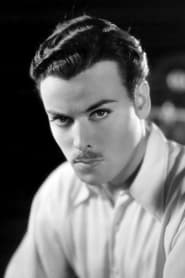
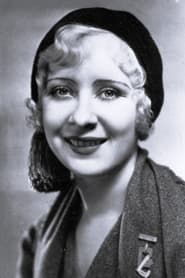


Laugh, Clown, Laugh
"Clown, count, and a shared heartache"
Keys: Space play/pause · ←/→ 10s · F fullscreen · M mute · </> speed
About this film
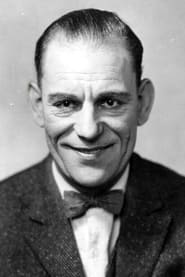
A despairing clown suffering a broken heart and a self-indulgent count who uncontrollably laughs learn to help each other with their problems, but both fall in love with the same young woman.
Cast & crew
More films like this
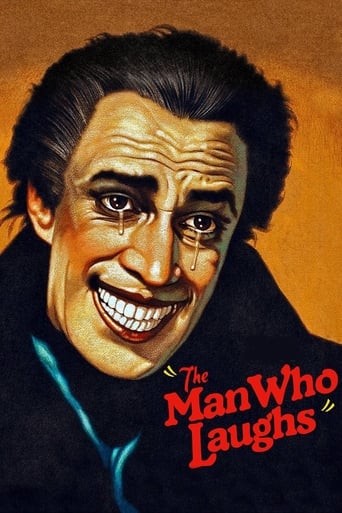
More Drama films
View all →







More from Herbert Brenon
View all →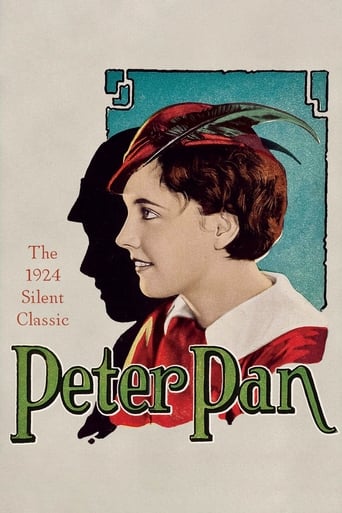
More about this film
About the production
Release dateApril 28, 1928
ProductionMetro-Goldwyn-Mayer (MGM)
Filmed inMGM Studios, Culver City, California
The film was produced during the transition from silent to sound films, making it one of Chaney's final major silent works. The circus sequences were filmed on elaborate sets built at MGM studios, with authentic circus performers hired as background actors. Chaney's elaborate clown makeup required hours of application each day and was designed to create a simultaneously cheerful and tragic appearance that could convey deep emotion through subtle changes.
Themes
Unrequited loveSacrificeThe performer's burdenHidden emotionsFather-daughter relationships
Themes & topics
circusclownlove triangletragic romancesilent filmmelodramauncontrollable laughterheartbreaksacrificeperformance
Historical background
When Laugh, Clown, Laugh debuted in 1928, Metro-Goldwyn-Mayer (MGM) was among the companies feeding nickelodeons and larger houses alike.
Why this film matters
Museum programs pair Laugh, Clown, Laugh with other 1928 works when discussing a despairing clown suffering a broken heart and a self-indulgent count who uncontrollably .
Making of
Director Herbert Brenon worked closely with Lon Chaney to develop the character of Tito, allowing Chaney significant creative input in the clown's makeup and mannerisms. The production faced challenges filming the circus sequences, as authentic circus equipment and performers had to be brought to the studio lot. Chaney, known for his method approach, reportedly stayed in character between takes, maintaining the clown's sad demeanor even when cameras weren't rolling. Loretta Young, despite her young age, handled the emotional demands of her role with remarkable maturity, proof of Chaney's mentorship on set. The film's score was composed by William Axt and included original themes that enhanced the emotional impact of key scenes.
What critics said
Archival catalogs list Laugh, Clown, Laugh without citing major awards, matching its 1928 profile.
Did you know?
- This was one of Lon Chaney's last silent films before his death in 1930
- Loretta Young was only 15 years old when she made this film, though she played a more mature character
- Chaney's makeup as the clown took up to three hours to apply each day
- The film was based on a 1923 play by David Belasco and Tom Cushing titled 'Laugh, Clown, Laugh!'
- The title and theme were inspired by the famous opera 'Pagliacci' (Clowns) by Leoncavallo
- Chaney performed many of his own stunts in the circus sequences
- The film was shot simultaneously with another Chaney film, 'While the City Sleeps'
- Despite its quality, the film performed poorly at the box office due to audiences' growing preference for talkies
- Young later said working with Chaney was like attending 'the best acting school in the world'
- The film's original running time was 80 minutes, but it was cut to 72 minutes for release
Visual style
The cinematography by James Wong Howe employed sophisticated lighting techniques to enhance the film's emotional atmosphere, particularly in the circus scenes where dramatic shadows and highlights emphasized the contrast between performance and reality. Howe used soft focus techniques to create dreamlike sequences, particularly in scenes involving Simonetta's perspective. The camera work was notably fluid for the period, with tracking shots following the circus action and intimate close-ups capturing the subtle changes in Chaney's expression beneath his makeup.
Innovations
The film featured innovative makeup techniques developed by Chaney himself, creating a clown face that could express a wide range of emotions despite its fixed smile. The production design included elaborate circus sets that were considered technically ambitious for their time, featuring functional circus equipment and detailed backgrounds. The film also employed sophisticated editing techniques for the period, using cross-cutting to build emotional tension between the three main characters and their internal conflicts.
Music
As a silent film, it was accompanied by an orchestral score composed by William Axt, specifically designed to enhance the emotional narrative. The score featured recurring leitmotifs for each character - a melancholy theme for Tito, a playful melody for Simonetta, and a manic composition for Luigi's laughing fits. The music incorporated elements of circus music and Italian folk melodies to reinforce the film's setting and themes. In modern screenings, various orchestral arrangements have been used, all maintaining the emotional core of Axt's original compositions.
Famous quotes
Life is a tragedy when seen in close-up, but a comedy in long-shot
A clown's smile hides a thousand tears
Love is the only cure for laughter, and laughter for love
Memorable scenes
- The opening circus sequence where Tito performs for cheering crowds while hiding his heartbreak
- The scene where Tito applies his clown makeup, revealing the transformation from man to performer
- The emotional confrontation between Tito and Luigi where both men reveal their love for Simonetta
- The final performance where Tito deliberately 'fails' to allow Simonetta her freedom
- The tender scenes between Tito and young Simonetta showing their father-daughter bond
What audiences thought
Upon its initial release, the film received a lukewarm response from audiences who were increasingly drawn to sound films. However, among dedicated filmgoers and Chaney fans, it was recognized as a powerful work. Over time, particularly through revival screenings and home video releases, the film has gained appreciation as one of Chaney's most emotionally resonant performances. Modern audiences viewing the film in proper context often express surprise at its emotional power and sophistication, challenging misconceptions about the limitations of silent drama.
Film connections
Influenced by
- Pagliacci (opera)
- He Who Gets Slapped (play)
- The Circus (Charlie Chaplin film)
- David Belasco's theatrical productions
This film influenced
- Freaks (1932)
- The Man Who Laughs (1928)
- La Strada (1954)
- The Joker (2019)
- The Greatest Showman (2017)
Film restoration
The film is preserved in the MGM film archive and has been restored by Turner Classic Movies. A complete 35mm print exists in the Library of Congress collection. The film has been released on DVD and Blu-ray through the Warner Archive Collection, featuring a restored print with improved image quality and a new musical score.
Where to watch
- Turner Classic Movies (TCM) - occasional broadcasts
- Warner Archive Collection - DVD/Blu-ray
- The Criterion Channel - streaming
- Amazon Prime Video - for purchase/rent
- YouTube - occasionally available through official channels