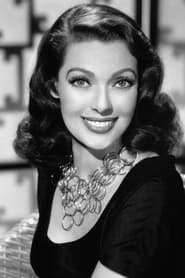
Loretta Young
Actor
Born: January 6, 1913 in New York City, New York, USA Died: August 12, 2000 Active: 1917-1963 Birth Name: Gretchen Michaela Young
Films
6 films
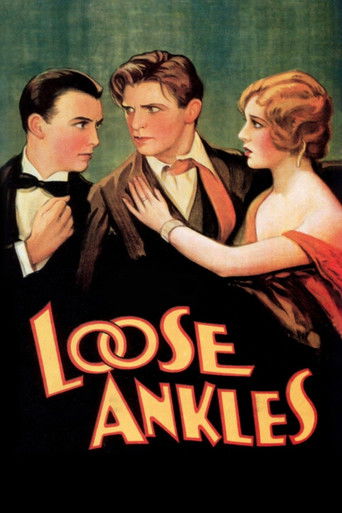
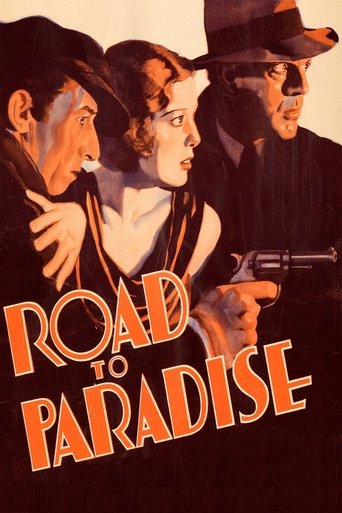
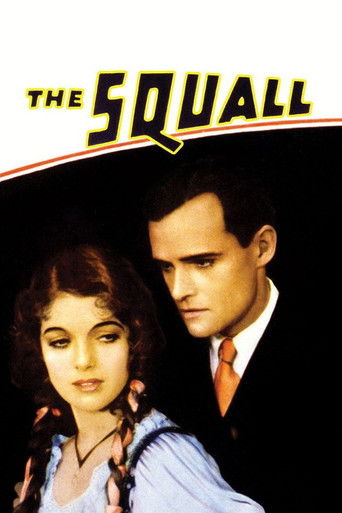
About Loretta Young
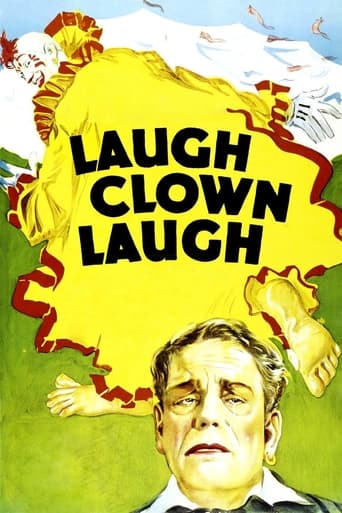
Loretta Young, born Gretchen Michaela Young, began her remarkable career as a child actress in silent films at just three years old, appearing alongside her sisters in the family vaudeville act. She successfully transitioned from silent films to talkies in the late 1920s, establishing herself as a versatile leading lady known for her beauty and sophisticated performances. Her over five decades, during which she appeared in more than 100 films, working with some of Hollywood's most directors and actors. Young's breakthrough came in the 1930s with roles in films like 'Laugh, Clown, Laugh' opposite Lon Chaney and 'The Story of Alexander Graham Bell'. Her performance in 'The Farmer's Daughter' (1947) earned her the Academy Award for Best Actress, cementing her status as one of Hollywood's elite actresses. In the 1950s, she successfully transitioned to television with 'The Loretta Young Show,' which ran for eight seasons and won three Emmy Awards. Young was known for her devout Catholic faith, which influenced her career choices and led her to establish a production company that made family-friendly content. Her career concluded with her final film appearance in 1953, though she continued her television work into the early 1960s.
The Craft
On Screen
Loretta Young was known for her elegant, refined acting style characterized by graceful movements, precise diction, and emotional subtlety. She brought a sense of sophistication and intelligence to her roles, whether playing dramatic characters or comedic parts. Her technique emphasized naturalistic delivery combined with Hollywood glamour, and she was particularly adept at conveying complex emotions through her expressive eyes and controlled gestures. Young's Catholic faith influenced her choice of roles, often favoring characters with strong moral values, and she maintained a dignified presence both on and off screen throughout her career.
Milestones
- Child actress in silent films starting at age 3
- Successful transition from silent to sound films
- Academy Award win for 'The Farmer's Daughter' (1947)
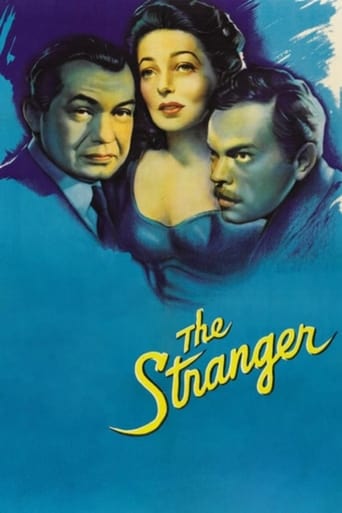
- Starred in 'The Stranger' (1946) directed by Orson Welles
- Created and starred in 'The Loretta Young Show' (1953-1961)
- Won three Emmy Awards for her television work
- Established her own production company
- Became one of the highest-paid actresses of her era
Best Known For
Iconic Roles
Must-See Films
Accolades
Won
- Academy Award for Best Actress for 'The Farmer's Daughter' (1947)
- Academy Award for Best Actress nomination for 'Come to the Stable' (1949)
- Primetime Emmy Award for Outstanding Actress in a Leading Role (1959)
- Primetime Emmy Award for Outstanding Actress in a Leading Role (1955)
- Primetime Emmy Award for Best Actress in a Regular Series (1954)
- Golden Globe Award for Best Actress for 'The Farmer's Daughter' (1948)
Nominated
- Academy Award for Best Actress for 'Come to the Stable' (1949)
- Golden Globe nomination for Best Actress for 'The Accused' (1949)
- Primetime Emmy nomination for Outstanding Single Performance by an Actress (1963)
Special Recognition
- Hollywood Walk of Fame star at 6104 Hollywood Boulevard
- Golden Palm Star on the Palm Springs Walk of Stars
- National Board of Review Award for Best Acting for 'The Farmer's Daughter' (1947)
- Photoplay Award for Best Actress (1949)
Working Relationships
Worked Often With
Studios
Why They Matter
Impact on Culture
Loretta Young significantly impacted both cinema and television, representing the ideal of Hollywood elegance and grace during the Golden Age. Her successful transition from child star to leading actress demonstrated remarkable longevity in an industry known for fleeting fame. Young's decision to create her own production company for her television show was for female stars of her era, establishing a model for creative control that would inspire future generations. Her devout Catholicism and refusal to compromise her values in her choice of roles provided an alternative model of stardom that contrasted with the more scandalous behavior of some contemporaries. The signature 'twirl' entrance she created for her television show became an iconic television moment and has been referenced and parodied countless times in popular culture.
Lasting Legacy
Loretta Young's legacy encompasses her contributions to both film and television, her Academy Award-winning performances, and her role as a female producer. She is remembered as one of Hollywood's most elegant and talented actresses, with a career that spanned from the silent era through the golden age of television. Her television show set standards for quality programming and demonstrated that a female star could successfully transition to the new medium while maintaining creative control. Young's personal values and professional conduct provided a model of dignity and integrity that influenced how Hollywood actresses conducted themselves publicly. Her performances continue to be studied for their technical excellence and emotional depth, particularly her ability to convey complex emotions with subtlety and grace.
Who They Inspired
Loretta Young influenced generations of actresses through her combination of technical skill, emotional authenticity, and professional dignity. Her successful management of her own career and finances, including her production company ownership, provided a blueprint for future stars seeking creative control. Young's ability to maintain relevance across different media and decades demonstrated the importance of adaptability in show business. Her commitment to quality family entertainment influenced the development of television programming standards. Many actresses, particularly those transitioning from film to television, have cited Young as an inspiration for maintaining artistic integrity while achieving commercial success.
Off Screen
Loretta Young's personal life was marked by her deep Catholic faith and several high-profile relationships. She married three times: first to actor Grant Withers (1930-1931), then to advertising executive Tom Lewis (1940-1969), and finally to fashion designer Jean Louis (1969-1982). She had two children: Christopher Lewis with Tom Lewis, and Judy Lewis, whose paternity remained a family secret for decades. Judy was actually the daughter of Clark Gable from their affair during the filming of 'Call of the Wild' (1935), a fact Young kept hidden to protect both her career and Gable's reputation. Young was known for her charitable work and devotion to her faith, often incorporating her values into her professional choices.
Education
Attended Ramona Convent Secondary School in Alhambra, California, but left to pursue her acting career full-time
Family
- Grant Withers (1930-1931)
- Tom Lewis (1940-1969)
- Jean Louis (1969-1982)
Did You Know?
- Was discovered at age 3 when she accompanied her mother to a movie studio
- Her first film role was as a fairy in 'The Primrose Ring' (1917)
- Had two sisters who were also actresses: Sally Blane and Polly Ann Young
- Famously wore a sweeping entrance gown and performed a twirl at the beginning of each episode of her TV show
- Was a lifelong Republican who supported Richard Nixon's presidential campaigns
- Never appeared nude or in revealing scenes due to her Catholic beliefs
- Her daughter Judy Lewis didn't learn Clark Gable was her father until she was 31
- Was one of the first movie stars to successfully transition to television as a lead actress
- Had a famous feud with Bette Davis that lasted for years
- Was known for her perfectionism and attention to detail on set
- Refused to work on Sundays due to her religious convictions
- Her production company was one of the first owned by a female star
In Their Own Words
I'm not a Hollywood star. I'm an actress. There's a big difference.
I've always tried to live my life as a Catholic, and that's not easy in this business.
Grace is the absence of everything that is not beautiful.
I never thought of myself as a star. I thought of myself as a working actress.
The secret to longevity in this business is to keep working and to keep your private life private.
I learned early that you have to be your own person in Hollywood, or you'll be eaten alive.
Frequently Asked Questions
Who was Loretta Young?
Legendary American actress who began her career as a child star in silent films and became one of Hollywood's most respected leading ladies. She won an Academy Award for Best Actress and later successfully transitioned to television with her own show, becoming one of the first movie stars to achieve major TV success.
What films is Loretta Young best known for?
Titles linked here include The Farmer's Daughter (1947), The Stranger (1946).
When was Loretta Young born and when did she die?
Born January 6, 1913; died August 12, 2000.
What awards did Loretta Young win?
Loretta Young won the Academy Award for Best Actress for 'The Farmer's Daughter' (1947) and received another nomination for 'Come to the Stable' (1949). She also won three Emmy Awards for her television work and a Golden Globe for 'The Farmer's Daughter'. She has a star on the Hollywood Walk of Fame and received numerous other honors throughout her career.
What was Loretta Young's acting style?
Young was known for her elegant, refined acting style characterized by grace, sophistication, and emotional subtlety. She brought intelligence and dignity to her roles, with precise diction and controlled movements that reflected both her technical skill and her personal values. Her style emphasized naturalistic delivery while maintaining Hollywood glamour.