Gwen Lee
Actor
Born: August 12, 1904 in Hastings, Nebraska, USA Died: August 20, 1961 Active: 1925-1931 Birth Name: Gwendolyn Leppla
Films
6 films

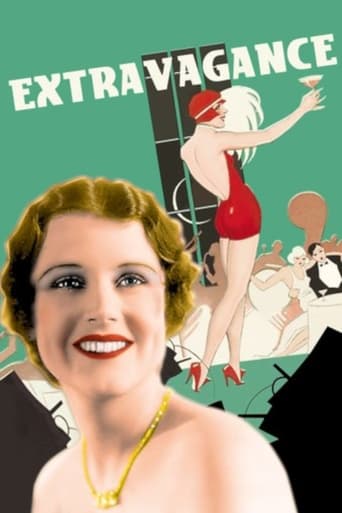
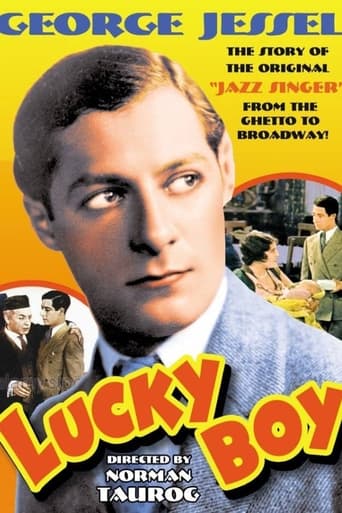
About Gwen Lee
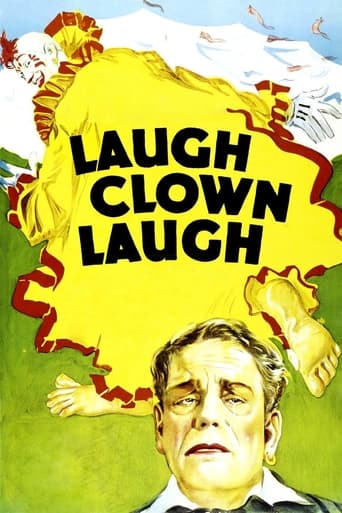
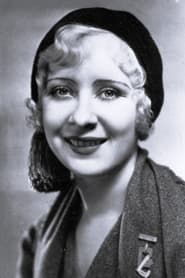
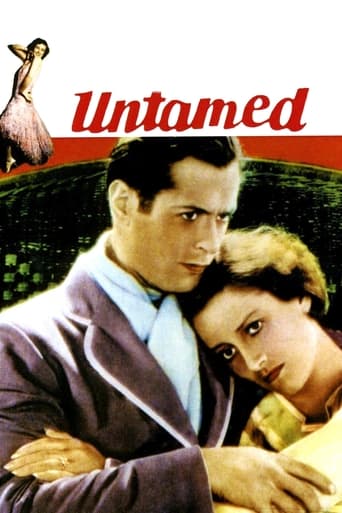
Gwen Lee, born Gwendolyn Leppla, was an American actress who rose to prominence during the transition from silent films to talkies in late 1920s Hollywood. She began her film career in 1925 and quickly established herself as a reliable supporting actress, often playing sophisticated society women or loyal friends to the leading ladies. Her most notable roles came in 1928 with appearances in Lon Chaney's 'Laugh, Clown, Laugh' and the epic 'The Trail of '98,' where she showcased her ability to adapt to both dramatic and ensemble productions. Lee successfully made the transition to sound films, appearing in early talkies like 'Untamed' (1929) opposite Joan Crawford and the musical 'The Broadway Melody' (1929). Throughout her brief but impactful career, she worked with major studios including MGM and appeared alongside some of the era's biggest stars. Her film career began to wind down by the early 1930s, with her final credited role coming in 1931. Despite her relatively short time in the spotlight, Lee contributed to several significant films that have become classics of early cinema.
The Craft
On Screen
Gwen Lee was known for her naturalistic acting style that adapted well to both silent and sound films. In silent pictures, she conveyed emotion through subtle facial expressions and body language, avoiding the exaggerated gestures common in the era. Her transition to talkies was seamless, thanks to her clear diction and pleasant speaking voice. Lee specialized in playing sophisticated, often glamorous supporting characters who provided contrast to the leads. Her performances were marked by a quiet confidence and an ability to enhance scenes without overshadowing the main actors.
Milestones
- Breakthrough role in 'Laugh, Clown, Laugh' (1928) opposite Lon Chaney
- Appearance in Oscar-winning 'The Broadway Melody' (1929)
- Supporting role in Joan Crawford's 'Untamed' (1929)
- Part in the epic Western 'The Trail of '98' (1928)
- Successful transition from silent films to talkies
Best Known For
Iconic Roles
Must-See Films
Working Relationships
Worked Often With
Studios
Why They Matter
Impact on Culture
Gwen Lee represents the generation of actresses who navigated the challenging transition from silent cinema to sound films in the late 1920s. While never achieving stardom status, her appearances in several significant films of the era have ensured her place in film history. Her work in 'The Broadway Melody,' the first sound film to win the Academy Award for Best Picture, connects her to a pivotal moment in cinema history. Lee's career exemplifies the journey of countless supporting players who were essential to the studio system's success during Hollywood's golden age.
Lasting Legacy
Gwen Lee's legacy lies in her contributions to some of the most important films of the late silent and early sound era. Though her name may not be widely recognized today, film historians and classic cinema enthusiasts appreciate her work in films that have become cultural touchstones. Her ability to successfully transition from silent to sound films demonstrated the adaptability required of actors during this revolutionary period in cinema. Lee's performances continue to be studied and appreciated as examples of the supporting craft that helped define Hollywood's golden age.
Who They Inspired
As a supporting actress rather than a star, Gwen Lee's direct influence on other performers was limited. However, her successful navigation of the silent-to-sound transition served as an example for other actors facing similar challenges. Her professional marriage to cinematographer Charles G. Clarke also represents the interconnected relationships that shaped Hollywood's creative community. Lee's work in ensemble films helped establish the importance of strong supporting performances in creating memorable cinema.
Off Screen
Gwen Lee was married to cinematographer Charles G. Clarke, with whom she had a daughter named Patricia. The marriage took place in 1929, around the peak of her film career. After retiring from acting, she focused on her family life. She spent her later years away from the Hollywood spotlight, living a relatively private life in California until her death in 1961 at the age of 57.
Education
Limited information available about her formal education, though she likely received some dramatic training to prepare for her film career
Family
- Charles G. Clarke (1929-1961)
Did You Know?
- She was sometimes credited as Gwen LePage in early films
- Her husband Charles G. Clarke was a renowned cinematographer nominated for nine Academy Awards
- She appeared in the first sound film to win Best Picture ('The Broadway Melody')
- Her active years covered only six years but included appearances in over 20 films
- She worked with horror icon Lon Chaney in what would be one of his final films
- Despite being from Nebraska, she adapted quickly to Hollywood's sophisticated atmosphere
- She retired from acting shortly after marrying Charles G. Clarke
- Her final film appearance was in 'The Secret Call' (1931)
- She was part of MGM's roster of contract players during the studio system's peak
- Her daughter Patricia also worked in the film industry in a technical capacity
In Their Own Words
Limited documented quotes from Gwen Lee, as was common for supporting actors of her era who rarely gave interviews
Frequently Asked Questions
Who was Gwen Lee?
Screen credits include both silent films and early talkies. Born Gwendolyn Leppla in Nebraska, she worked primarily as a supporting actress for major studios like MGM, appearing in notable films such as 'Laugh, Clown, Laugh' and 'The Broadway Melody.'
What films is Gwen Lee best known for?
Titles linked here include Laugh, Clown, Laugh (1928), Untamed (1929).
When was Gwen Lee born and when did she die?
Born August 12, 1904; died August 20, 1961.
What awards did Gwen Lee win?
There are no documented major awards or nominations for Gwen Lee during her career. As a supporting actress during the early Academy Awards era, she was not recognized with individual honors, though she appeared in films that received significant acclaim, including the Best Picture-winning 'The Broadway Melody.'
What was Gwen Lee's acting style?
Gwen Lee was known for her naturalistic acting style that successfully transitioned from silent films to talkies. She specialized in playing sophisticated supporting characters with subtle emotional expression, avoiding the exaggerated gestures common in silent cinema. Her clear diction and pleasant speaking voice helped her adapt well to sound films.