Nils Asther
Actor
Born: January 17, 1897 in Copenhagen, Denmark Died: October 13, 1981 Active: 1916-1963 Birth Name: Nils Anton Alfhild Asther
Films
7 films
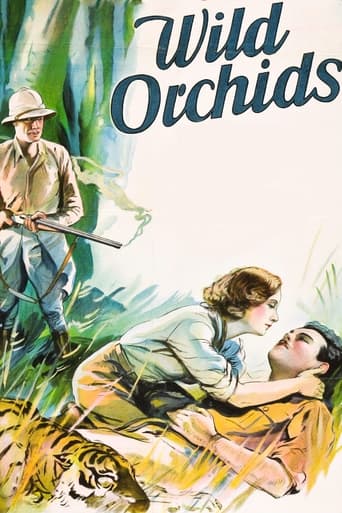

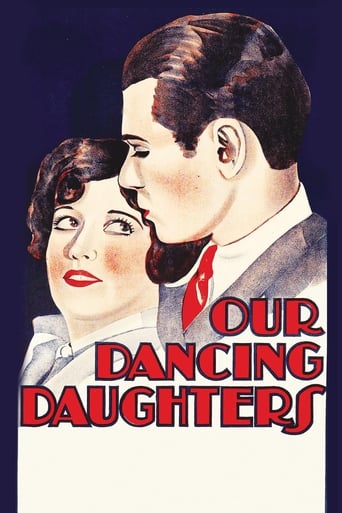
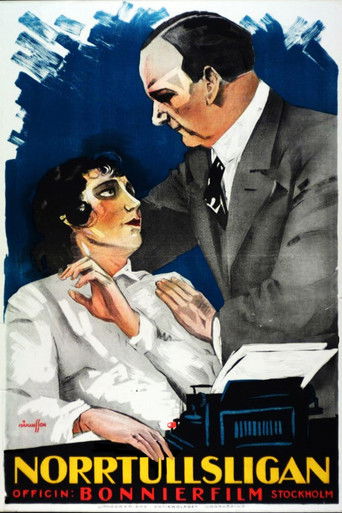
About Nils Asther
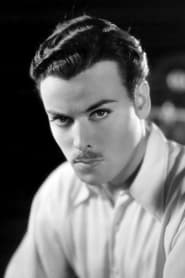
Nils Anton Alfhild Asther — Swedish-born actor who rose to international stardom during the silent film era, earning the nickname 'The Swedish Valentino' for his striking good looks and romantic leading man roles. Born in Copenhagen to Swedish parents, Asther began his acting career in Swedish films before being discovered by Hollywood talent scouts and moving to the United States in 1926. He quickly became a popular leading man at MGM, starring opposite some of the era's biggest female stars including Greta Garbo, Joan Crawford, and Norma Shearer. Asther successfully navigated the challenging transition from silent films to talkies, leveraging his multilingual abilities to continue working in Hollywood, Germany, and Sweden throughout the 1930s. His over five decades and included more than 70 films across multiple countries and languages. After returning to Europe in the 1930s, he continued his acting career in Swedish and German productions before eventually retiring from film. Asther spent his final years in Stockholm, where he passed away in 1981, leaving behind a legacy as handsome and versatile leading men of early cinema.
The Craft
On Screen
Asther was known for his sophisticated, continental style of acting that emphasized subtle emotional expression and aristocratic bearing. His performances were characterized by a restrained intensity that worked particularly well in romantic dramas, where his brooding good looks and intense gaze could convey deep emotion without excessive gesture. As a trained stage actor, he brought theatrical precision to his film work, mastering both the exaggerated style required for silent films and the more naturalistic approach demanded by talkies. His multilingual abilities allowed him to adapt his acting style to different national cinema traditions, making him equally convincing in Hollywood melodramas, German expressionist films, and Swedish domestic dramas.
Milestones
- Discovered by director Mauritz Stiller and began acting in Swedish films
- Signed contract with MGM in 1926 and moved to Hollywood
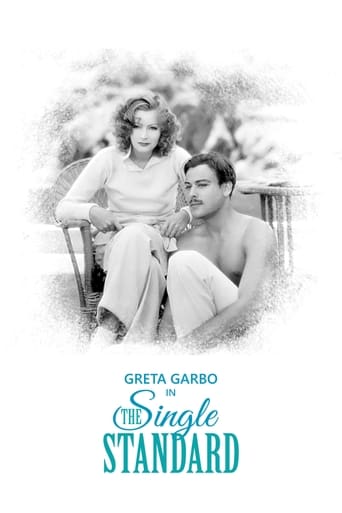
- Starred opposite Greta Garbo in multiple films including 'The Single Standard' and 'Wild Orchids'
- Successfully transitioned from silent films to talkies in the late 1920s
- Worked in multiple film industries including Hollywood, German, and Swedish cinema
- Made over 70 films throughout his international career spanning five decades
Best Known For
Iconic Roles
Must-See Films
Accolades
Special Recognition
- Star on the Hollywood Walk of Fame (located at 6705 Hollywood Boulevard)
Working Relationships
Worked Often With
Studios
Why They Matter
Impact on Culture
Nils Asther represented the archetype of the European leading man that Hollywood coveted during the 1920s, embodying sophistication, exoticism, and Old World charm that appealed to American audiences. His success as a Swedish actor in Hollywood helped pave the way for other Scandinavian performers, including his frequent co-star Greta Garbo, to achieve international stardom. Asther's ability to work across different national film industries demonstrated the growing international nature of cinema during the silent era and early sound period. His career trajectory from European art cinema to Hollywood commercial films and back again illustrated the complex cultural exchange between American and European film industries during this transformative period in cinema history.
Lasting Legacy
Nils Asther's legacy endures as. While his name may not be as widely remembered today as some of his contemporaries, his body of work represents an important bridge between European and American cinema of the 1920s and 1930s. His performances opposite legends like Greta Garbo and Lon Chaney showcase the sophisticated acting style that characterized late silent cinema. Asther's international career shows the global nature of early film production and the mobility of artists during cinema's formative decades. His star on the Hollywood Walk of Fame ensures his contribution to film history remains recognized, and his films continue to be studied by scholars of silent and early sound cinema.
Who They Inspired
Asther influenced subsequent generations of European actors seeking careers in Hollywood by demonstrating that continental sophistication and artistic training could be valuable assets in American cinema. His successful navigation of the silent-to-sound transition provided a model for other foreign-born actors facing similar challenges. His refined, understated acting style contrasted with the more theatrical approaches common in early cinema, prefiguring the naturalistic performances that would become standard in later decades. By maintaining careers in multiple national film industries, Asther helped establish the precedent for international film careers that would become increasingly common in later decades.
Off Screen
Nils Asther was known for his sophisticated and cosmopolitan lifestyle, moving fluidly between different cultural circles in Hollywood and Europe. He never married but had numerous high-profile relationships with both men and women, leading to widespread speculation about his sexuality during an era when such matters were kept private. Asther was fluent in multiple languages including Swedish, Danish, German, and English, which contributed to his international appeal and ability to work in various film industries. He maintained homes in both Hollywood and Europe throughout his career, reflecting his transnational professional identity. In his later years, he returned to Sweden where he lived quietly until his death at age 84.
Education
Educated in Sweden; attended acting school and received theatrical training before entering films
Did You Know?
- Was nicknamed 'The Swedish Valentino' due to his resemblance to Rudolph Valentino
- Was discovered by director Mauritz Stiller while working as a bank clerk
- Spoke five languages fluently, which helped his international career
- His birth in Copenhagen was accidental - his Swedish parents were visiting when he was born
- Was one of the few actors who successfully transitioned from silent films to talkies without losing his star status
- Had a reputation for being difficult to work with due to his perfectionism
- His good looks were so renowned that he was featured in cosmetics advertisements
- Returned to Europe in the 1930s partly due to difficulties with the Hollywood studio system
- Made films in Swedish, German, and English throughout his career
- Was considered for the lead in 'Dracula' (1931) before Bela Lugosi was cast
In Their Own Words
In Hollywood, they want to make you into something you're not. In Europe, they want you to be what you are.
The transition from silent to sound was not as difficult for me as for many others, because I had always believed that acting was about more than just gestures.
Beauty is both a blessing and a curse in this business. It opens doors, but it can also close them to serious roles.
Frequently Asked Questions
Who was Nils Asther?
Swedish with credits in this catalog. He starred opposite legends like Greta Garbo and successfully transitioned from silent films to talkies while maintaining an international career across Europe and America.
What films is Nils Asther best known for?
Titles linked here include The Single Standard (1929), Laugh, Clown, Laugh (1928).
When was Nils Asther born and when did he die?
Born January 17, 1897; died October 13, 1981.
What awards did Nils Asther win?
While Nils Asther did not receive major acting awards during his career, he was honored with a star on the Hollywood Walk of Fame at 6705 Hollywood Boulevard, recognizing his significant contributions to American cinema during the silent and early sound eras.
What was Nils Asther's acting style?
Asther was known for his sophisticated, continental acting style characterized by emotional restraint and aristocratic bearing. He excelled at conveying deep emotion through subtle expressions rather than exaggerated gestures, making him particularly effective in romantic dramas. His multilingual abilities allowed him to adapt his style to different national cinema traditions.
Why was Nils Asther called 'The Swedish Valentino'?
Asther earned the nickname 'The Swedish Valentino' due to his striking resemblance to Rudolph Valentino, his exotic European appearance, and his success as a romantic leading man in silent films. Like Valentino, he embodied the sophisticated, passionate lover that audiences adored during the 1920s.
Did Nils Asther successfully transition to sound films?
Yes, unlike many silent film stars whose careers ended with the advent of sound, Asther successfully made the transition to talkies. His multilingual abilities and theatrical training helped him adapt, and he continued working in sound films in Hollywood, Germany, and Sweden throughout the 1930s and beyond.