
The Unknown
"1927 Tod Browning"
Keys: Space play/pause · ←/→ 10s · F fullscreen · M mute · </> speed
About this film
On the lam, criminal Alonzo hides in the circus as The Armless Wonder – a performer who uses his feet to hurl knives. Alonzo keeps the arms he really has concealed to hide his identity. Meanwhile, ringmaster's daughter Nanon has a phobia of being touched by men, but is romantically pursued by not only Alonzo but the strongman Malabar. Alonzo's desperation to remain with Nanon will only end in tragedy.
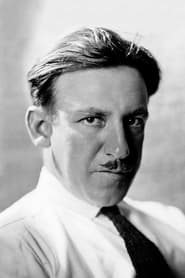
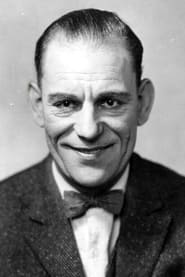
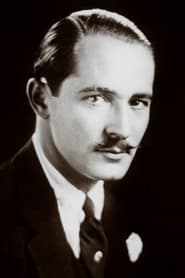
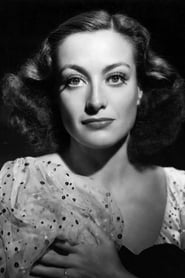
Cast & crew
More films like this

More Drama films
View all →







More from Tod Browning
View all →



More about this film
About the production
Release dateJune 4, 1927
Box officeUnknown/undocumented
ProductionMetro-Goldwyn-Mayer (MGM)
Filmed inMGM Studios, Culver City, California, USA
The production was particularly challenging due to Lon Chaney's physically demanding role. He had to keep his arms tightly bound behind his back for extended periods during filming, performing complex knife-throwing sequences using only his feet. The film featured innovative special effects for the time, particularly in scenes where Alonzo appears to perform incredible feats without arms. Chaney, known as 'The Man of a Thousand Faces,' created his own makeup and prosthetic effects, developing a special harness to conceal his arms while allowing for the illusion of armlessness. The circus atmosphere was authentically recreated with real circus performers and authentic props, adding to the film's gritty realism. Director Tod Browning, who had worked in circuses himself, brought personal experience to the production, ensuring accurate depictions of circus life and performance.
Themes
Obsessive loveIdentity and deceptionPhysical transformationPhobias and psychological traumaThe nature of performance
Themes & topics
circusknife throwingarmless performerpsychological horrorobsessiondeceptionphobiafugitivelove triangleself-mutilationtransformationsilent filmLon ChaneyTod Browning
Historical background
Contemporary records classify The Unknown (1927) as 1927 film by tod browning, placing it within late silent cinema and the transition toward sound.
Why this film matters
The Unknown (1927) helps trace genre evolution, performer careers, and the material conditions of silent exhibition.
Making of
The making of 'The Unknown' was marked by extreme dedication from its star, Lon Chaney, who underwent tremendous physical discomfort for his role as Alonzo. Chaney would arrive at the studio hours before call time to have his arms bound in the specially designed harness, and he would remain bound throughout the entire shooting day, often for 10-12 hours at a time. The knife-throwing sequences required months of preparation, with Chaney practicing extensively to develop the foot dexterity needed to convincingly perform the stunts. Director Tod Browning, drawing from his own circus background, insisted on authenticity in every aspect of the production, hiring real circus performers as extras and using genuine circus equipment. The relationship between Chaney and Joan Crawford was particularly notable on set - Crawford, then a relatively unknown actress, was in awe of Chaney's dedication and method approach to acting, and she later credited him with teaching her the importance of physical expression in film performance. The film's dark themes and psychological intensity created a tense atmosphere on set, with many crew members finding the subject matter disturbing, particularly the scenes dealing with Alonzo's obsession and the implied self-mutilation.
What critics said
Retrospective notes on The Unknown emphasize its value as a transitional sound-era artifact rather than blockbuster reception.
Did you know?
- Lon Chaney performed all his own knife-throwing stunts using his feet, a feat that required months of practice and incredible physical control
- Chaney developed a special leather harness that concealed his arms while allowing him to breathe and move somewhat naturally during filming
- Joan Crawford, then still known as Lucille Le Sueur, considered this role her big break and later said she learned more about acting from watching Chaney than anyone else
- The film was based on an original story by Tod Browning called 'The Alonzo Story,' though some sources suggest it was inspired by a real circus performer
- Chaney's double-thumbed hands, which serve as his identifying criminal feature, were created using detailed makeup prosthetics that took hours to apply each day
- Director Tod Browning had actually worked in circuses and sideshows before becoming a filmmaker, bringing authentic knowledge to the production
- The film was considered quite shocking for its time due to its themes of obsession, self-mutilation, and psychological horror
- Only one complete print of the film was known to exist for decades, making it one of the more sought-after lost films until other copies were discovered
- Chaney and Browning collaborated on several films together, but this is often considered their darkest and most psychologically complex work
- The knife-throwing sequence was filmed in reverse to create the illusion of greater accuracy and danger
Visual style
The cinematography of 'The Unknown,' credited to Merritt B. Gerstad, employed innovative techniques to enhance the film's psychological tension and atmospheric mood. The visual style made extensive use of dramatic lighting and shadow play, creating a chiaroscuro effect that emphasized the duality of Alonzo's character - the public performer versus the private obsessive. The camera work featured unusual angles and compositions, particularly in the circus sequences, where low angles emphasized the physical prowess of the performers and high angles created a sense of vulnerability and psychological unease. The knife-throwing sequences utilized innovative camera techniques to create tension and danger, including slow-motion effects and carefully choreographed tracking shots that followed the knives' trajectory. The cinematography also made effective use of focus and depth of field to isolate characters psychologically, with Nanon often appearing in soft focus when viewed through Alonzo's obsessive gaze. The circus tent interiors were lit to create dramatic contrasts between light and shadow, enhancing the film's expressionistic qualities. The visual style drew influences from German Expressionist cinema while maintaining a distinctly American approach to psychological horror. The camera work during Alonzo's private moments of obsession employed tighter framing and more claustrophobic compositions, visually representing his psychological confinement.
Innovations
'The Unknown' showcased several technical innovations for its time, particularly in the areas of makeup effects, physical performance, and special effects photography. Lon Chaney's makeup and prosthetic work represented a significant advancement in cinematic transformation, with his double-thumbed hands and arm-concealing harness requiring innovative design and application techniques. The film's special effects, particularly in the knife-throwing sequences, employed clever camera tricks and editing techniques to create the illusion of danger and skill. The production utilized matte photography and in-camera effects to enhance the circus atmosphere and create visual metaphors for psychological states. The film's editing, particularly in the sequences showing Alonzo's growing obsession, used innovative cross-cutting techniques to build psychological tension and suggest the character's deteriorating mental state. The lighting design employed sophisticated techniques to create dramatic shadows and highlights that enhanced the film's expressionistic qualities. The production design for the circus sequences demonstrated remarkable attention to detail, with authentic circus equipment and props contributing to the film's realism. The film's success in conveying complex psychological themes without dialogue represented an achievement in visual storytelling technique. The physical coordination required for Chaney's performance, particularly the foot-based knife throwing, represented a significant technical challenge that was successfully overcome through extensive preparation and innovative filming techniques.
Music
As a silent film, 'The Unknown' was originally accompanied by live musical performance in theaters, with specific musical cues suggested in the film's cue sheets. The original score would have typically featured a mix of classical pieces and popular music of the era, carefully selected to match the film's emotional tone and dramatic moments. For the circus sequences, lively and exotic music would have been used to create the atmosphere of the big top, while more romantic themes would have accompanied the scenes between Alonzo and Nanon. The film's tense and psychologically intense moments would have been underscored with dramatic, dissonant music to enhance the feeling of unease and obsession. Modern restorations of the film have featured newly composed scores by various musicians, including organists and silent film accompanists who specialize in creating period-appropriate music. Some contemporary screenings have featured experimental scores that emphasize the film's psychological horror elements using modern musical techniques. The music for the knife-throwing sequences would have been particularly important in creating tension and excitement, typically using fast-paced, rhythmic patterns that matched the visual action. The absence of dialogue made the musical accompaniment crucial in conveying the film's emotional and psychological nuances, with the score serving as an essential element of the storytelling.
Famous quotes
(Intertitle) 'She hates the touch of a man's hand!'
(Intertitle) 'I would do anything for her!'
(Intertitle) 'Without arms, I could hold her forever!'
(Intertitle) 'The circus is my home - and my prison!'
Memorable scenes
- The opening knife-throwing sequence where Alonzo demonstrates his incredible skill using only his feet, throwing knives around a terrified assistant while the circus audience watches in amazement
- The intimate scene where Nanon confesses her fear of men's hands to Alonzo, not realizing he has arms, creating dramatic irony
- The climactic sequence where Alonzo, driven by obsession, contemplates permanent self-mutilation to remain with Nanon
- The final confrontation scene where Alonzo's true identity is revealed, leading to his tragic downfall
What audiences thought
Initial audience reactions to 'The Unknown' were mixed but generally positive, with many theatergoers drawn by Lon Chaney's star power and the film's sensational premise. Contemporary audience members reported being both fascinated and disturbed by the film's dark themes and psychological intensity, with some finding the knife-throwing sequences particularly thrilling and others finding Alonzo's obsession unsettling. The film performed reasonably well at the box office, particularly in urban areas where Chaney had a strong following, though it didn't achieve the massive success of some of his other films like 'The Hunchback of Notre Dame.' Over time, as the film gained cult status among horror and silent film enthusiasts, audience appreciation has grown significantly. Modern audiences viewing the restored version often express admiration for Chaney's physical performance and the film's ability to create tension and psychological depth without dialogue. The film has become a favorite at silent film festivals and revival screenings, where audiences respond enthusiastically to its dramatic intensity and visual storytelling. Contemporary viewers often note how surprisingly modern the film's psychological themes feel, despite being nearly a century old. The film's reputation among horror fans has grown steadily, with many considering it an essential work in the genre's history.
Film connections
Influenced by
- German Expressionist cinema
- Sigmund Freud's psychoanalytic theories
- Contemporary circus and sideshow culture
- Gothic literature
- Earlier Lon Chaney-Tod Browning collaborations
- American horror literature of the 1920s
This film influenced
- Freaks (1932)
- The Man Who Laughs (1928)
- Dracula (1931)
- Psycho (1960)
- The Elephant Man (1980)
- The Prestige (2006)
- The Illusionist (2006)
Film restoration
The film is preserved in its complete form with multiple prints existing in various film archives around the world. The Library of Congress maintains a 35mm print in their collection, and the film has been restored by several archives including the UCLA Film and Television Archive. While some prints show signs of age-related deterioration, the film is not considered lost or at risk. Several home video releases have been made available, including DVD and Blu-ray editions from companies like Kino Lorber and Flicker Alley, which feature restored prints with newly commissioned musical scores. The preservation status is considered good, ensuring that this important work of silent cinema will remain accessible to future generations.
Where to watch
- The Criterion Channel
- Kino Lorber DVD/Blu-ray releases
- Flicker Alley DVD editions
- Various streaming services specializing in classic films
- Film archive screenings and silent film festivals
- Public domain versions available on some free streaming platforms (though quality may vary)